
By Ohio State Waterproofing
Bowed basement walls can pose serious risks to a home’s structural integrity. Homeowners often face the daunting decision between carbon fiber wall reinforcement and steel beams for stabilization. This guide will help you understand the effectiveness, costs, and installation processes associated with both methods. By exploring these options, you can make a more informed choice about which solution is best for your basement repair needs.
Recognizing the critical differences between these two repair strategies can save you time and money while ensuring your home remains safe. This article provides insights into key factors such as long-term durability, causes of wall bowing, signs indicating the need for professional intervention, and the complementary role of basement waterproofing solutions. Let’s explore these important topics and provide you with a comprehensive understanding of bowed basement wall repairs.
Effectiveness:
Both carbon fiber and steel beams provide effective solutions for stabilizing bowed basement walls, but they differ in approach and application. Carbon fiber is notably effective for moderate wall bowing, as it provides flexible support that effectively reinforces the existing structure. It utilizes high-strength materials to distribute pressure along the wall, which is crucial for long-term stability. On the other hand, steel beams offer a robust solution capable of supporting heavy loads, making them suitable for severe wall deformities.
When comparing these methods, it’s essential to consider the installation impact on overall wall restoration. Carbon fiber is less invasive than steel beams, meaning it can be installed without extensive excavation or disruption to your home. However, steel beams may be necessary for cases where significant structural support is required. Proper application of either method will ensure long-term stability.
Cost Comparison:
The financial implications of repairing bowed basement walls can vary significantly between carbon fiber wall reinforcement and steel beam installation. Below is a comparative analysis of the costs associated with each method, including their longevity and potential long-term benefits.
The initial costs associated with carbon fiber can be lower than those for steel beams. However, considering long-term value, the robustness of steel beams may offer better durability over decades.
For homeowners contemplating which option might be best for their budget, it is wise to consider both initial and potential future costs, such as necessary maintenance and monitoring.
Installation Processes:
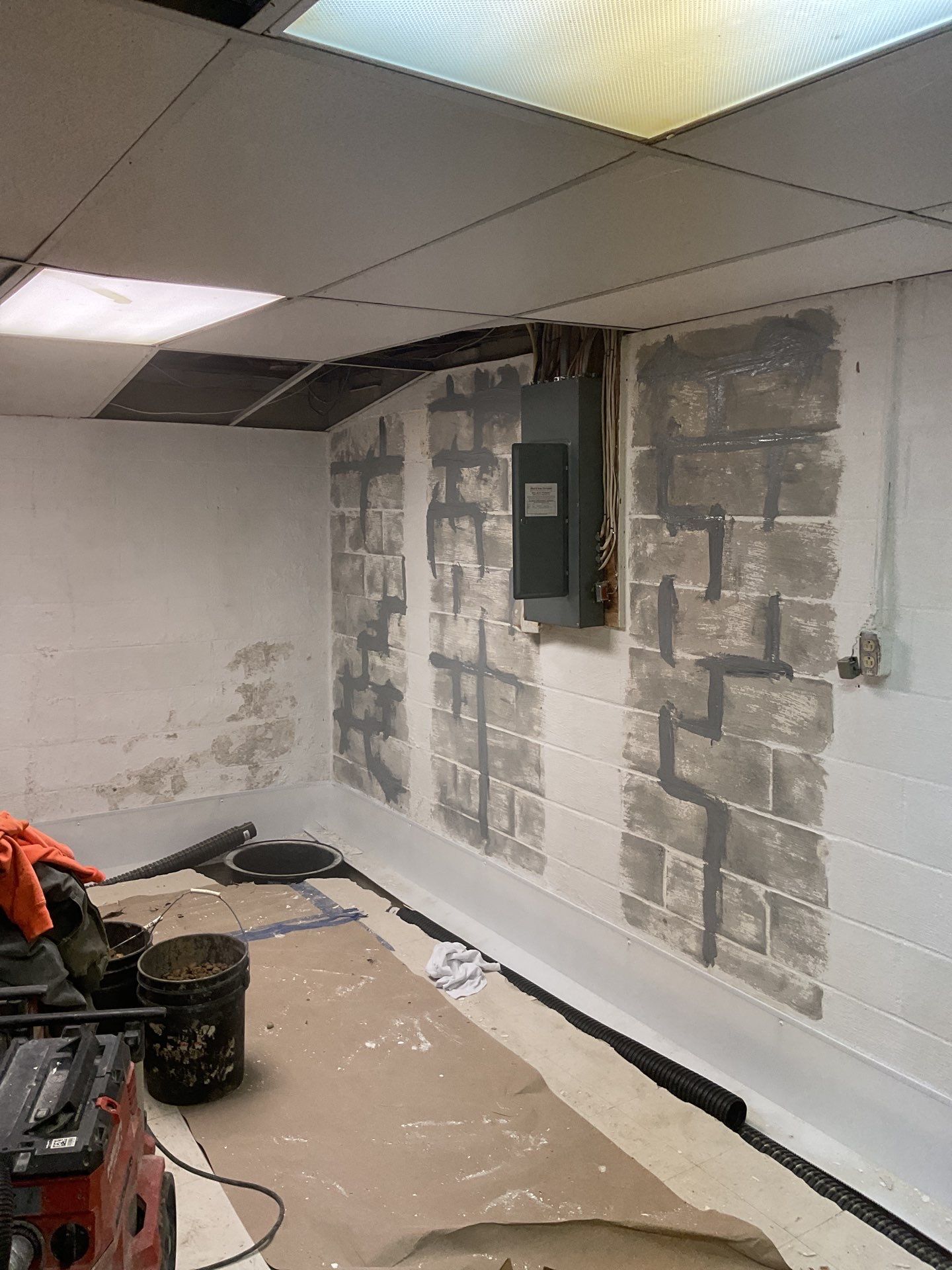 Understanding the installation processes for both carbon fiber reinforcement and steel beams is crucial when making your decision. Here is a detailed look at each:
- Carbon Fiber Installation: The installation process for carbon fiber involves several critical steps. Initially, the surface of the wall should be prepared by cleaning it to allow for proper adhesion. Contractors then apply epoxy adhesive to secure the carbon fiber straps against the wall. These straps are strategically placed to distribute stress while ensuring minimal disruption to the wall’s integrity. Finally, the installation includes monitoring the curing time which typically takes around 24-48 hours before the system is operational.
- Steel Beam Installation: The installation of steel beams is more invasive, as it requires excavation and reinforcement of the surrounding structure. This process may involve several steps including the excavation around the foundation walls, calculating load requirements for the beams, and positioning them securely in place with appropriate supports. Additionally, installation timelines can vary significantly, often ranging from several days to a few weeks, depending on the complexity of the project and the extent of structural repairs.
The choice between these two methods should take into account not just the cost and effectiveness but also the level of disruption you are comfortable with during the installation process.
Long-Term Durability:

Longevity is a pivotal factor when considering which method to use for bowed basement wall repair. Carbon fiber walls can remain effective for over 30 years, given that they’re properly installed and monitored. Their resistance to deterioration from moisture makes them a reliable choice for many homeowners.
In contrast, steel beams can last upwards of 50 years, and are less likely to require replacement due to their inherent strength and resilience. However, steel beams are more susceptible to corrosion if not adequately protected. Therefore, appropriate treatments and maintenance are vital to enhance their lifespan.
When assessing durability, it helps to consider not just the physical materials but also environmental factors such as the local climate and soil conditions.
What Causes Basement Walls to Bow and Require Stabilization?
Bowed basement walls are commonly caused by hydrostatic pressure from soil surrounding the foundation, which can be exacerbated by excessive rain or poor drainage solutions. This pressure pushes against the walls and can force them to bow inward. Additionally, moisture intrusion plays a significant role; water seeping into the foundation can deteriorate structural supports and exacerbate the movement of walls.
Moreover, settling of the foundation due to soil erosion or shrinking can lead to further instability. Recognizing these causes is essential for addressing the problem effectively and determining the appropriate repair method. Timely reinforcement can help alleviate pressure and prolong the stability of your basement walls.
How Does Carbon Fiber Wall Reinforcement Strengthen Bowed Basement Walls?
Carbon fiber wall reinforcement works by utilizing high-tensile strength materials designed to absorb and distribute the forces exerted on walls. When applied, the carbon fiber straps adhere to the wall and create a stabilizing framework that prevents further bowing. This application is particularly beneficial in environments subject to varying moisture levels, as carbon fiber is not prone to rust or degradation over time.
The reinforcement enhances overall wall strength while minimizing invasive procedures typically associated with traditional repair methods. By transforming the structural integrity of bowed walls through advanced materials, homeowners can rest assured that their repairs will last.
Benefits of Carbon Fiber Repair: Durability, Cost, and Minimal Invasiveness
Carbon fiber repair offers several distinct advantages compared to traditional repair methods:
- Durability: Resistant to corrosion and environmental impact, carbon fiber can last for decades with minimal maintenance.
- Cost-Effectiveness: Lower initial installation costs make carbon fiber a more accessible option for many homeowners.
- Minimal Disruption: With a less invasive installation process, homeowners can continue with their daily routines during repairs.
Given these benefits, many homeowners find that carbon fiber wall reinforcement meets their needs effectively without the substantial drawbacks associated with steel beam installation.
What Are the Advantages and Limitations of Steel Beam Foundation Repair?
Steel beam foundation repair offers its own set of strengths and weaknesses.
Advantages:
- High Load Capacity: Steel beams provide exceptional strength and load-bearing capacity, making them ideal for severe wall bowing.
- Longevity: Steel can last for decades when properly maintained, often exceeding the life expectancy of alternative reinforcement solutions.
- Full Restoration of Structural Integrity: The installation typically allows for complete stabilization of the wall, addressing both current issues and future risks.
Limitations:
- Costs: The higher expense involved in installation can be a significant barrier for many homeowners.
- Invasiveness: Installation often requires excavation and may disrupt landscaping and home environments.
- Corrosion Risk: Without proper protective measures, steel beams can be vulnerable to rust which diminishes their structural effectiveness.
In weighing the pros and cons of steel beams, homeowners can assess whether the long-term benefits justify the initial investment and installation complexities.
Steel Beam Installation Techniques for Basement Wall Stabilization
The installation of steel beams entails technical expertise to ensure their effectiveness in stabilizing bowed walls. The process includes:
- Pre-Installation Assessment: Assessing the structure to determine load requirements and the size of beams necessary.
- Excavation: Carefully excavating the soil around the foundation walls to provide access for beam placement.
- Beam Placement: Installing and securing the beams to ensure stability and alignment with existing structures.
- Final Adjustments: Making necessary adjustments to ensure proper pressure distribution and wall stabilization.
These techniques require experienced professionals to ensure safety and effectiveness for lasting repairs.
Comparing Steel Beams to Carbon Fiber: Strength, Longevity, and Disruption
In comparing steel beams and carbon fiber wall reinforcement, homeowners must consider various factors such as strength, longevity, and the level of disruption each method may cause. Steel beams typically provide superior strength and are ideal for significant structural challenges, while carbon fiber excels in scenarios requiring less invasive procedures with substantial long-term performance.
Both methods necessitate professional assessment and expert installation, but the choice between them can depend on individual preferences for disruption and budget considerations.
How Do Carbon Fiber and Steel Beams Compare in Repair Costs and Lifespan?
The comparison of repair costs and lifespan between carbon fiber and steel beams reveals distinct pathways for homeowners. Carbon fiber provides a quicker, more cost-effective solution, while steel beams demand a higher initial investment with a longer lifespan. The initial cost savings of carbon fiber can be appealing, particularly for those seeking effective stabilization within a constrained budget.
Nonetheless, the choice will ultimately hinge on conditional factors such as specific wall bowing severity, anticipated future usage of the basement, and overall homeowner strategy for investment in home infrastructure.
Expected Longevity and Maintenance Requirements for Each Method
Longevity and maintenance requirements of each method also differ. Carbon fiber installations can often outlast their warranty period with proper monitoring, while steel beams may require periodic inspections to prevent rust and ensure effective load management.
Annual maintenance checks can help identify any potential issues before they manifest into larger structural problems. Regular assessments of both carbon fiber and steel beam installations can ensure long-term stability and reduce the risk of extensive and costly repairs in the future.
What Signs Indicate Your Basement Walls Need Professional Stabilization?
Identifying early signs that your basement walls require professional stabilization is crucial in preventing further damage. Homeowners should be vigilant for:
- Visible Cracks: Horizontal or stair-step cracks in the wall can indicate severe stress or movement.
- Bowing Walls: Any visual bulging or bowing of walls is an obvious indicator that immediate attention is necessary.
- Moisture Intrusion: Persistent leaks or dampness may signal deteriorating foundation integrity, correlating with wall problems.
Recognizing these signs can prompt timely intervention, minimizing the risk of severe structural damage that could lead to costly repairs.
Identifying Visible Cracks, Bowing, and Moisture Intrusion Symptoms
 As previously mentioned, visible cracks, bowing, and moisture intrusion are primary indicators of potential foundation issues. Monitoring these symptoms aids in prompt action:
- Crack Patterns: Pay attention to the size and pattern of any cracks, as larger, wider cracks can indicate serious structural failure.
- Degree of Bowing: Using a level can help measure the degree of bowing in the walls, critical for determining whether reinforcement is necessary.
- Moisture Levels: Investigating localized dampness, especially after rainfall, can provide insights into underlying drainage issues affecting your foundation.
Prompt evaluations allow homeowners to seek professional guidance before problems escalate.
When to Consult Ohio Basement Repair Experts for Assessment
When faced with indications of wall bowing or foundation issues, consulting professionals becomes imperative. Early assessments can lead to comprehensive evaluation and effective stabilization choices.
Ohio State Waterproofing offers expert assessment services to properly evaluate structural integrity and recommend appropriate repairs to stabilize your basement walls against further damage. Engaging with professionals can provide peace of mind while ensuring your foundation receives the necessary restoration services.
How Does Basement Waterproofing Complement Wall Reinforcement Solutions?
Basement waterproofing plays a complementary role in the overall health of your home. Addressing potential moisture intrusion through effective waterproofing solutions helps prevent issues that could exacerbate wall bowing.
By integrating waterproofing strategies with wall reinforcement, homeowners can create a more resilient foundation against hydrostatic pressure and moisture-related damage.
This approach reduces risk and prolongs the effectiveness of any repair work performed on your walls.
Moisture Intrusion Prevention Techniques to Protect Foundation Integrity
Preventing moisture intrusion requires proactive strategies that work in tandem with structural repairs. Techniques include:
- Installation of Effective Drainage: Ensuring that drainage systems are properly installed can divert water away from the foundation.
- Sump Pumps: The installation of sump pump systems can help in managing high water tables and preventing flooding.
- Landscape Grading: Proper grading of surrounding landscapes can direct rainwater away and reduce soil saturation.
These techniques collectively contribute to overall foundation integrity while enhancing the longevity of reinforced walls.
Role of Sump Pumps and Crawl Space Encapsulation in Moisture Control
Sump pumps and crawl space encapsulation are vital components of effective moisture control services. A sump pump can efficiently remove accumulated water from basements, preventing damage before it occurs.
Crawl space encapsulation adds another layer of defense by sealing the area against moisture, thus mitigating the impact of humidity and potential mold growth within the home. Together, these solutions complement structural repairs, creating a more comprehensive moisture management plan.
What Are Ohio Homeowners Saying About Carbon Fiber and Steel Beam Repairs?
Feedback from fellow Ohio homeowners provides valuable insights into the effectiveness of carbon fiber and steel beam repairs. Many report satisfaction with the minimal disruption caused by carbon fiber installations, along with impressive long-term results.
Conversely, homeowners using steel beams appreciate their durability, often highlighting the alleviation of prior structural anxiety. Such testimonials can provide reassurance for those making critical decisions about their basement repairs.
Case Studies Demonstrating Repair Effectiveness and Customer Satisfaction
Examining real-world case studies illustrates the effectiveness of both repair options. Instances where carbon fiber was employed have shown long-lasting stability and aesthetic restoration.
Steel beam installations have similarly delivered satisfaction through robust support in more challenging structural environments. Sharing these narratives can guide homeowners in weighing their options based on concrete outcomes.
Expert Opinions on Choosing the Right Repair Method for Ohio Conditions
Experts recommend assessing both the environmental factors and the specific condition of the bowed walls when selecting a repair method. In Ohio’s varied climate, homeowners are encouraged to consider moisture levels, frost depth, and soil composition.
By engaging with experienced professionals, like those at Ohio Basement Waterproofing, you can tap into tailored insights that aid in selecting the appropriate stabilization method for your home’s unique context.
How Long Does Carbon Fiber Wall Reinforcement Last Compared to Steel Beams?
While carbon fiber wall reinforcement typically lasts over 30 years, steel beams can exceed 50 years with adequate maintenance. The trade-off between initial investment and long-term durability is a key consideration for homeowners.
By evaluating their unique situations and understanding each method’s strengths, you can make a well-informed decision that resonates with your home and future repairs.
Can Basement Waterproofing Prevent Future Wall Bowing and Mold Growth?
Utilizing basement waterproofing in conjunction with wall reinforcement does more than address existing issues; it helps prevent future complications. By controlling moisture levels, homeowners can effectively thwart potential bowing and hinder mold growth—two prevalent problems associated with structural instability.
Integrating these solutions creates a protection strategy that maximizes the longevity of repairs and improves overall basement health.
By considering these aspects carefully, homeowners can make informed decisions that enhance the safety and durability of their basements for the years to come. If you seek expert evaluation and support regarding basement repairs, Ohio State Waterproofing can guide you through this critical process.
If you are noticing bowing basement walls, horizontal cracks, or signs of foundation movement, Ohio State Waterproofing can help evaluate the problem and recommend the right stabilization solution for your home.
Frequently Asked Questions
1. What factors should I consider when choosing between carbon fiber and steel beams for wall reinforcement?
When deciding between carbon fiber and steel beams, consider the extent of your basement wall bowing, your budget, and the desired level of disruption during installation. Carbon fiber is less invasive and generally has a lower initial cost, making it suitable for moderate bowing. Conversely, if severe structural support is required, steel beams may be necessary despite their higher costs and disruptive installation process. Assessing these factors in conjunction with your long-term goals for home stability can guide your decision.
2. How do I maintain carbon fiber wall reinforcement once installed?
Maintaining carbon fiber wall reinforcement primarily involves periodic inspections to ensure the straps remain intact and are functioning properly. Although carbon fiber is resistant to environmental factors, monitoring for any signs of moisture intrusion or wall movement is crucial. It’s recommended to have a professional check the installation at regular intervals, especially after heavy rains or changes in your landscaping. This proactive approach ensures that the reinforcement continues to perform effectively over the years.
3. Can I install carbon fiber or steel beams myself, or should I hire a professional?
While some homeowners may consider DIY options for reinforcement, hiring a professional is highly recommended. The installation of carbon fiber and steel beams requires specific technical knowledge and experience to ensure proper application and effectiveness. Incorrect installation can lead to safety risks and additional costs. Professionals not only understand the requirements for each method but are also equipped to conduct necessary assessments, making them the best choice for ensuring lasting results.
4. What other methods can complement wall reinforcement besides waterproofing?
In addition to waterproofing, other methods that can complement wall reinforcement include proper drainage solutions, such as installing French drains, sump pumps, and improved grading around your property. These strategies help manage water flow away from your foundation, reducing hydrostatic pressure and minimizing the risk of future structural issues. Additionally, addressing ventilation in your basement through encapsulation or dehumidifiers can further enhance moisture control, supporting the integrity of reinforced walls.
5. How can I identify if my basement has drainage issues?
Signs of drainage problems in your basement include recurrent water pooling or dampness after rainfall, mold growth on walls, and mildew odors. Inspect the area around your home for poor grading that directs water toward the foundation, or clogged gutters that overflow during storms. If you notice deterioration in your walls or persistent moisture, it may indicate drainage issues that require prompt attention. Engaging a professional for a thorough evaluation can help address these concerns effectively.
6. What should I expect during the steel beam installation process?
During the installation of steel beams, you can expect several stages: first, a pre-installation assessment to determine load requirements; second, excavation around the foundation wall to provide access; and third, careful placement and securing of the beams. This process may take several days to weeks, depending on the extent of the repairs needed. Significant disruption to your home is likely, so planning for temporary relocation or adjustment during installation can help ease the process.
7. Are there any specific climate considerations for implementing these repair methods?
Yes, local climate can significantly influence the choice of repair method. In humid or rainy areas, corrosion resistance becomes critical, making carbon fiber a compelling option for moisture-driven conditions. Conversely, in regions with expansive clay soils, the structural strength of steel beams might be paramount. Homeowners should evaluate soil composition, moisture levels, and seasonal changes when selecting a repair strategy. Consulting with professionals familiar with local conditions can provide insights tailored to your specific needs.

Ohio State Waterproofing has provided quality service with over 90,000 successful waterproofing and foundation repair installations and satisfied customers since our inception in 1978.
Ohio State Waterproofing’s philosophy for success is to provide honest, courteous and guaranteed service to every customer. Our reputation reflects this. Our well-trained waterproofing technicians are dedicated to complete customer satisfaction. This is achieved through fast, efficient processes as well as teamwork throughout this organization. You will always find a friendly representative willing to meet your needs at Ohio State Waterproofing.
We are a full service company that handles problems ranging from patching cracks to rebuilding basements. In addition, we hold three patents related to waterproofing that make us unique in the industry. These patents and our experience allow us to be able to do what every other waterproofer can do, but no one else can do what we do.
We are actively involved in the industry and community, including the National Association of Waterproofing Contractors, BHA, NARI, NAHB, NHIA, the BIA, the FHA and a number of consumer advocacy groups, as well as playing leading roles in a number of charitable functions.
But, most importantly, our highest degree of praise comes from the thousands of referrals we get from satisfied customers. Together they’ve made us a leader in the basement waterproofing and foundation repair industry.

