
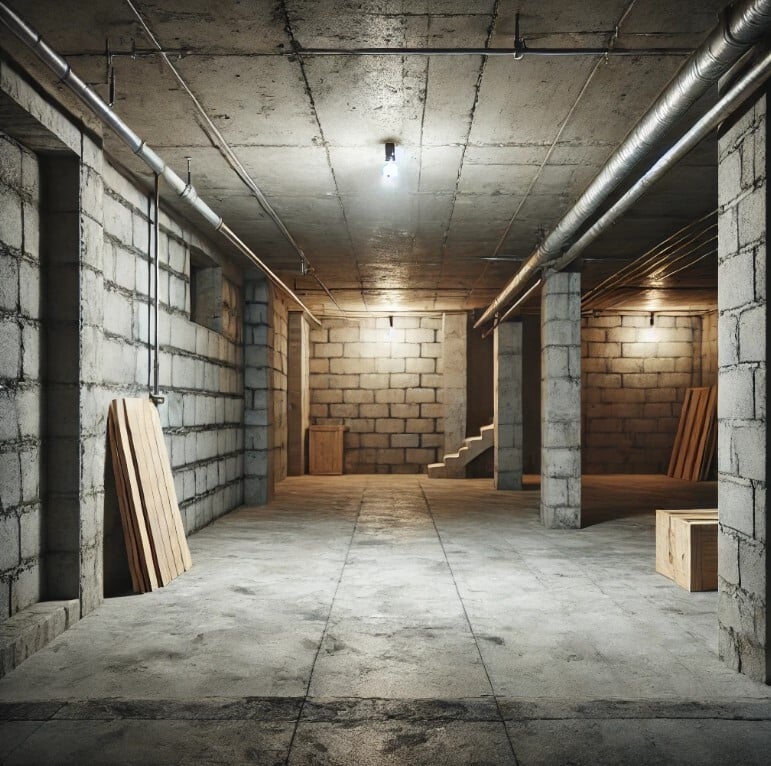
 Battling basement breaches can be a bothersome business, can’t it? If you’re pondering whether you can waterproof your basement by yourself, you’re not alone. Many homeowners face this dilemma, especially when dealing with recurrent leaks and moisture issues.
While it’s true that professional services boast a certain level of expertise, the DIY route can also be a viable option if you’re willing to put in the effort. But before you strap on your tool belt and start, it’s crucial to understand the complexities and potential pitfalls that could be lurking beneath the surface.
Let’s explore this further, shall we?
Key Takeaways
- Understanding the importance of basement waterproofing is crucial for preventing water seepage, mold, and structural damage.
- Adequate preparations such as clearing the area, inspecting for cracks, and cleaning mold are essential before waterproofing.
- Selecting suitable waterproofing products based on leak severity, foundation type, and budget is key for effective protection.
- Following a step-by-step waterproofing process, including proper cleaning, application, and drying, is vital for long-lasting results.
Understanding Basement Waterproofing
To truly grasp the concept of basement waterproofing, you need to delve into its core principles, understanding not only what it is, but also why it’s crucial for maintaining the integrity of your home. Basement waterproofing refers to techniques and materials used to prevent water from seeping into a basement. It’s not a luxury, it’s a necessity. Without it, water can penetrate your home, leading to dampness, mold growth, and structural damage.
You’ve got to know the two types of waterproofing: interior and exterior. Interior waterproofing, often a cheaper option, involves applying sealants to keep humidity levels down. It’s a fine way to control minor dampness but won’t hold up against a serious leak. That’s where exterior waterproofing comes in. It’s more costly and time-consuming, as it involves excavating around your home to install a waterproof barrier. But, it’s your best defense against major water intrusion.
Understanding these basics is your first step. From here, you can evaluate your home’s needs and decide on the right approach. Remember, it’s about preserving your home’s value and your peace of mind.
Preparations Before Waterproofing
Having grasped the basic principles of basement waterproofing, it’s crucial you now focus on preparing your basement for this process. The first step is to clear out your basement. Remove any furniture, appliances, and other items. You’re creating a workspace, so the more room, the better.
Next, you’ll need to inspect the walls and floor for cracks and leaks. It’s vital that you identify all problem areas, as these will be the focus of your waterproofing efforts. Use a flashlight to ensure you don’t miss any hidden cracks or damp spots.
If you find mold or mildew, you’ll need to clean it up immediately. These fungi can be harmful to your health and can also impede the waterproofing process. Use a mixture of water and bleach, scrubbing the affected areas thoroughly.
Suitable Waterproofing Products
You’ll need to choose the right waterproofing products for your basement, considering factors like the severity of the leaks, the type of foundation, and your budget. The market presents a plethora of products, but not all may be the right fit for your situation.
If you’re dealing with minor leaks, water sealants could be your best bet. They’re easy to apply and relatively affordable. Sealants work by filling pores in the walls and floor, preventing water from seeping through.
On the other hand, if you’re dealing with more severe water intrusion, waterproofing paints or coatings might be more suitable. These form a robust waterproof barrier on the surface of your basement walls and floors.
For the most drastic leaks and floods, you might want to invest in a basement waterproofing system. These systems often include interior water drains and sump pumps. They’re more costly but offer long-term protection.
Lastly, always consider the product’s durability, ease of application, and manufacturer’s reputation. It’s always wise to read reviews and ask around before making a purchase. Remember, the goal isn’t just to stop the water; it’s to ensure it won’t come back.
Step-By-Step Waterproofing Process
Once you’ve chosen the right waterproofing products, it’s time to dive into the step-by-step process of waterproofing your basement.
- Clean the Area: Begin by thoroughly cleaning your basement walls and floors. This ensures that the waterproofing product can adhere properly, creating an effective barrier against moisture.
- Apply the Waterproofing Product: Use a brush or roller to apply your chosen product. Make sure it’s evenly distributed and covers all areas.
- Allow for Drying: Let the product dry according to the manufacturer’s instructions. Some products may require a second coat, so be sure to read the guidelines carefully.
To help you visualize, here’s a simple table:
| Steps | Description |
| Clean the Area | Remove dirt and debris for better product adhesion |
| Apply Product | Distribute evenly using a brush or roller |
| Allow for Drying | Follow manufacturer’s instructions for drying and possible second coat |
Common DIY Waterproofing Mistakes
Despite your best efforts, it’s easy to slip up and make common mistakes when waterproofing your basement yourself. One major blunder isn’t addressing the root causes of moisture, such as leaks or condensation. You need to find and fix any leaks before you start waterproofing.
Another common mistake is choosing the wrong type of sealant. Not all products are created equal; some are specifically designed for interior use, while others are for exterior use. You must choose a sealant that’s appropriate for your specific situation.
Also, skimping on preparation is a big no-no. If you don’t properly clean and prep your basement walls before applying the sealant, it won’t adhere correctly, compromising the effectiveness of your waterproofing efforts.
Failing to protect your work is another slip-up. After you’ve applied the sealant, make sure you protect it from damage. This could be from furniture, kids, pets, or general wear and tear.
Lastly, don’t rush the drying process. Sealants need time to fully cure to provide the best protection. Rushing this process can lead to sealants not sticking properly or failing prematurely.
Avoid these common mistakes to successfully waterproof your basement.
Frequently Asked Questions
What Is the Average Cost of Hiring a Professional for Basement Waterproofing?”
Sure, you can find out the average cost of hiring a pro for basement waterproofing. It’s not cheap, typically ranging between $3,000 to $10,000.
The final bill depends on the size of your basement, the extent of the water damage, and the methods used. It’s a hefty investment, but it’s a crucial one to protect your home from potential damages.
You’ll need to get several quotes to ensure you’re getting a fair deal.
Are There Any Legal Permits Required for Waterproofing a Basement?”
Yes, you might need a permit to waterproof your basement, depending on your local building codes. It’s important to check with your local municipality or city hall to learn about specific requirements.
You’re often required to have a permit for projects that significantly change the structure of your home. It’s not a process to skip because it can help ensure your basement waterproofing is up to code and done safely.
How Much Time Is Usually Required to Completely Waterproof a Basement?”
Like cooking a gourmet meal, waterproofing your basement isn’t something you can rush. It typically takes several days or even a week, depending on the method you’re using and the size of your basement.
You’ll need time to prepare the area, apply the waterproofing, and let it dry thoroughly. Remember, it’s not a race. Take your time to ensure you’ve covered all areas properly for the best results.
What Are the Potential Health Risks if My Basement Is Not Properly Waterproofed?”
If your basement isn’t properly waterproofed, you’re risking your health. Moisture can lead to mold and mildew growth, which can cause allergies, asthma, or other respiratory issues.
Damp environments also attract pests, potentially causing another set of health risks. Moreover, standing water can lead to structural damage, which may pose a physical hazard over time.
Does Homeowner’s Insurance Typically Cover Damage Caused by a Non-Waterproofed Basement?”
Yes, you can waterproof your basement yourself. You’ll need to identify the source of the water first. Then, patch any cracks you find with hydraulic cement.
After that, apply a waterproof masonry cement to your walls. However, if you’re not comfortable doing this yourself, or the job seems too big, it’s best to hire a professional. They’ll have the experience and tools to do the job right.
Conclusion
So, can you waterproof a basement by yourself?
Absolutely! While it may seem daunting, with adequate preparation, the right products, and a step-by-step approach, you can tackle this project. Don’t fret about potential mistakes – they’re common in DIY projects and part of the learning curve.
Remember, a dry basement adds value to your home and peace of mind. So why not roll up those sleeves and give it a go? Your basement (and wallet) will thank you.

Ohio State Waterproofing has provided quality service with over 90,000 successful waterproofing and foundation repair installations and satisfied customers since our inception in 1978.
Ohio State Waterproofing’s philosophy for success is to provide honest, courteous and guaranteed service to every customer. Our reputation reflects this. Our well-trained waterproofing technicians are dedicated to complete customer satisfaction. This is achieved through fast, efficient processes as well as teamwork throughout this organization. You will always find a friendly representative willing to meet your needs at Ohio State Waterproofing.
We are a full service company that handles problems ranging from patching cracks to rebuilding basements. In addition, we hold three patents related to waterproofing that make us unique in the industry. These patents and our experience allow us to be able to do what every other waterproofer can do, but no one else can do what we do.
We are actively involved in the industry and community, including the National Association of Waterproofing Contractors, BHA, NARI, NAHB, NHIA, the BIA, the FHA and a number of consumer advocacy groups, as well as playing leading roles in a number of charitable functions.
But, most importantly, our highest degree of praise comes from the thousands of referrals we get from satisfied customers. Together they’ve made us a leader in the basement waterproofing and foundation repair industry.

