
By Ohio State Waterproofing, Ohio State Waterproofing
Cleveland homeowners commonly face foundation problems due to local climate and soil conditions. Timely repairs preserve structural integrity, maintain safety, and support property value. This guide identifies top Cleveland contractors, explains cost factors, outlines how to select reliable firms, reviews common local foundation issues, and describes effective repair methods to help protect your home. Beyond immediate fixes, durable solutions require correctly diagnosing the cause and selecting systems designed for Cleveland’s freeze-thaw cycles, seasonal rainfall, and local soil types. Read on for actionable guidance that helps you evaluate contractors, compare techniques, and prioritize maintenance.Key Takeaways
- Foundation repair in Cleveland requires contractors experienced with local soil and climate challenges.
- Common foundation issues include cracks, sticking doors, and uneven floors indicating structural movement.
- Licensed contractors should provide detailed estimates, transparent pricing, and appropriate warranties.
- Expansive clay soils in Cleveland cause foundation pressure through swelling and shrinking cycles.
- Effective repair methods include helical piers, wall anchors, and carbon fiber reinforcement for bowing walls.
- Basement waterproofing and sump pumps prevent moisture damage and reduce foundation stress.
- Crawl space encapsulation controls moisture, prevents mold, and improves energy efficiency and air quality.
- Foundation repair costs vary widely based on damage extent, repair method, and labor complexity.
- Regular inspections and early crack repairs help prevent severe foundation damage and costly repairs.
Evaluation Criteria for Selecting Contractors
Selecting a foundation repair contractor requires careful evaluation. Prioritize experience, verified customer satisfaction, and transparent pricing.- Licensing and Insurance: Ensure that your contractor is licensed to operate in Ohio and has adequate insurance coverage.
- Experience and Reputation: Look for contractors with a proven track record in foundation repair, especially those familiar with Cleveland’s specific soil conditions.
- Detailed Estimates: Request written estimates that outline the work to be done, materials to be used, and the project’s total cost.
What Are Common Foundation Issues Cleveland Homeowners Face?
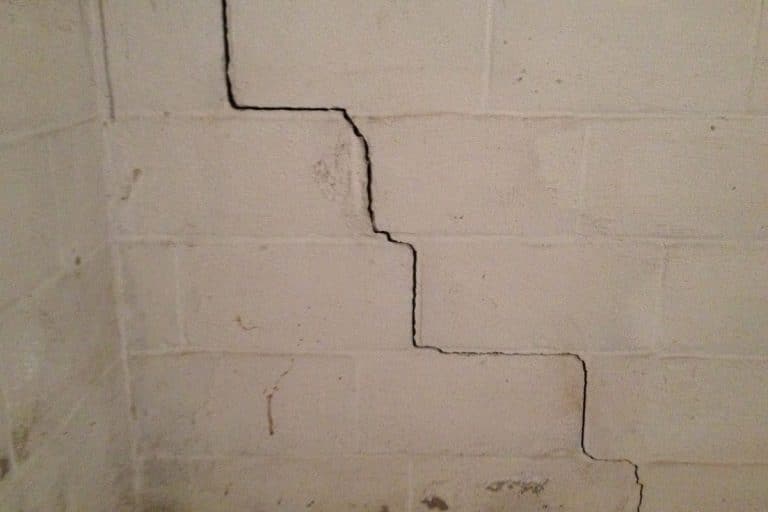
Foundation problems present in several ways. Common indicators include:- Cracks in Walls and Floors: This can signal settlement or shifting of the foundation. Hairline cracks are common and often cosmetic, while stair-step or widening cracks warrant prompt evaluation.
- Doors and Windows that Stick: Misalignment due to foundation movement can prevent smooth operation; measure gaps and note when the problem began to help an inspector evaluate progression.
- Uneven Floors: A noticeable slant or sagging might indicate structural issues beneath. Localized soft spots or a visible crown in flooring often point to concentrated settlement.
Understanding Warranties, Service Guarantees, and Project Timelines
Contractors offer varying warranties that protect homeowners from future problems. When evaluating proposals:- Types of Warranties: Look for both repair and transferrable warranties, which can add value if you sell your home.
- Check Warranty Terms: Ensure you understand what is covered and for how long.
- Timelines: Discuss realistic project timelines, which can vary based on the extent of the work required.
How Moisture and Soil Conditions Affect Cleveland Foundations
Local soil composition and moisture levels strongly affect foundation stability in Cleveland. Expansive clay in Cleveland swells and shrinks with seasonal moisture, exerting pressure on foundation walls and causing cracks. Seasonal moisture fluctuations further influence foundation integrity.Expansive Soils: Etiology and Structural Implications The swelling and shrinkage of expansive soils have contributed to infrastructure distress for decades. Soils with montmorillonite as a primary mineral show significant volumetric changes during wetting and drying cycles. These volumetric changes depend on the proportion of clay minerals, their exchangeable ions, and the internal microstructure. Construction on expansive soils frequently causes structural tilting and differential settlement, which appear as cracking in building and basement walls, uplift and fracture of pavements, failure of utility lines, and damage to doors and windows. A review of expansive soil—effects and mitigation techniques, TN Dave, 2020This research highlights how various soil types can contribute to significant structural problems such as cracking walls and utility line failures, emphasizing the importance of understanding local geology. Practical homeowner actions include adjusting irrigation schedules, grading soil to slope away from the foundation, and ensuring gutters and downspouts move water well beyond the foundation line.
| Soil Type | Effect on Foundation | Prevention Measure |
|---|---|---|
| Clay | Expands when wet, shrinks when dry | Proper drainage and moisture control |
| Sandy | Less prone to shifting | Routine inspection and monitoring |
| Loamy | Balanced moisture retention | Regular maintenance checks |
Which Foundation Repair Methods Are Most Effective in Cleveland?
Several proven methods address foundation issues and are selected based on site conditions. For bowing walls, carbon fiber reinforcement strengthens foundation walls and is an effective solution.- Helical Piers: These are installed deep into stable soil to support and stabilize foundations that are settling or sinking. They are often chosen when access is limited and when load-bearing capacity is required without extensive excavation.
- Wall Anchors: This method provides external reinforcement for bowing walls, using steel anchors to stabilize. Anchors are effective when there is sufficient exterior space to install plates and rods and when restoration of the wall’s alignment is a priority.
How Does Basement Waterproofing Protect Your Cleveland Home’s Foundation?
Basement waterproofing prevents moisture intrusion that can damage foundations. Effective waterproofing methods can be explored in detail at basement waterproofing options. These systems redirect water away from the foundation and reduce pressure on foundation walls.- Exterior Waterproofing: This involves applying a waterproof membrane to the outside walls of the foundation. It often requires excavation but addresses water before it reaches the wall structure.
- Sump Pump Installation: Sump pumps remove excess water that gathers in basements, reducing pressure on foundation walls. Placement and correct discharge routing are key to long-term effectiveness.
Basement Waterproofing Techniques and Installation Processes
A clear installation process ensures reliable waterproofing.- Assessment: A thorough evaluation of the basement is conducted to determine the appropriate system.
- Installation: The chosen waterproofing method is installed, ensuring all materials meet industry standards.
- Testing: Post-installation, systems are tested to confirm their reliability in preventing water intrusion.
Sump Pump Installation and Maintenance for Moisture Control
Sump pumps are essential for basement moisture control; proper installation and maintenance ensure effectiveness.- Choose the Right Pump: Assess the size and capacity based on your basement’s needs.
- Regular Maintenance: Schedule periodic checks to clean the pump and ensure it functions properly. A battery backup is recommended to prevent failures during power outages.
- Common Issues: Understand potential problems, such as clogs or mechanical failures, which can lead to water damage.
What Are the Benefits of Crawl Space Encapsulation in Ohio?
Crawl space encapsulation controls moisture and offers several benefits for homeowners. More information on this process can be found under crawl space waterproofing and encapsulation.- Mold Prevention: Encapsulation reduces humidity and inhibits mold growth, which can damage structural supports.
- Energy Efficiency Improvement: Sealing off the crawl space can lead to energy savings by regulating indoor temperatures.
- Improved Indoor Air Quality: By preventing moisture and mold, encapsulation enhances the overall air quality within a home.
Controlling Moisture and Preventing Mold Growth
Effective moisture control in crawl spaces reduces risk.- Vapor Barrier Installation: A durable vapor barrier prevents ground moisture from entering the crawl space.
- Dehumidifiers: These appliances help to maintain low humidity levels, essential for mold prevention.
- Insulation Techniques: Proper insulation helps maintain temperatures, reducing condensation and water intrusion.
Materials and Methods Used for Effective Encapsulation
Familiarity with encapsulation materials helps homeowners choose suitable options.- Polyethylene Sheeting: Strong and durable, this is commonly used as a vapor barrier.
- Insulation Products: Rigid foam boards provide effective thermal resistance.
- Sealants and Adhesives: Quality sealants are essential for ensuring complete containment of moisture.
How Much Does Foundation Repair Cost in Cleveland and What Influences Pricing?
Foundation repair costs in Cleveland vary with several factors:- Extent of Damage: More significant structural issues will naturally be more expensive to repair.
- Type of Repair Method Used: Techniques like helical pier installation may carry higher costs compared to basic crack sealing.
- Labor Costs: Rates can fluctuate based on the complexity of the work and contractor expertise.
| Service | Typical Cost Range |
|---|---|
| Minor Repairs | $500 – $2,500 |
| Extensive Structural Repairs | $2,500 – $12,000 |
| Basement Waterproofing | $1,500 – $5,000 |
Typical Cost Ranges for Common Repairs and Waterproofing Services
Homeowners should expect costs that vary by service and damage severity:- Crack Sealing: Typically ranges from $300 to $1,000, depending on the severity of the damage.
- Foundation Stabilization: Costs may soar from $1,000 to $5,000, influenced by chosen methods and materials.
- Waterproofing Solutions: Versatile approaches can start from $1,500, depending on the system installed.
What Questions Should You Ask When Choosing a Foundation Repair Contractor in Cleveland?
Ask prospective contractors key questions to assess expertise and reliability.- Experience and Credentials: Inquire about their history and relevant qualifications related to foundation repair services.
- Techniques Used: Understand which methods and materials will be employed for your specific issues.
- Warranty Details: Request information on warranties and what they cover post-repair.
Evaluating Certifications, Experience, and Customer Satisfaction
Evaluate contractor credentials through the following steps.- Check Licensing: Ensure the contractor is licensed to operate in Ohio.
- Read Reviews and Testimonials: Look for genuine feedback from previous customers to gauge satisfaction levels.
- Engage with Past Clients: Asking former clients about their experiences can yield vital perspectives.
Identifying Signs of Foundation Damage and Structural Risks
Early detection prevents more severe damage. Homeowners should watch for:- Visible Cracks on the Exterior: Cracks should be monitored for growth, which may indicate deeper issues.
- Bowed Walls: Walls that appear to be bulging may need immediate attention to prevent collapse.
- Water in the Basement: Persistent water accumulation often points to drainage or waterproofing concerns.
What Are the Risks Mold Poses to Structural Health and Indoor Air Quality?
Mold harms structural elements and indoor air quality and can pose health risks to occupants. Common concerns include:- Allergic Reactions: Various reactions can arise from mold exposure, affecting respiratory health.
- Structural Weakening: Mold infestations can lead to decay in wooden structures, compromising overall integrity.
- Increased Maintenance Costs: Addressing mold problems can lead to substantial additional repair needs if not managed promptly.
Integrating Mold Mitigation with Waterproofing and Foundation Services
Effective mold prevention requires multiple measures.- Consistent Waterproofing: Ensures areas are safeguarded against moisture that encourages mold growth.
- Regular Inspections: Scheduled checks can identify mold issues early before they escalate.
- Humidity Control: Utilizing dehumidifiers can significantly reduce mold proliferation.
Preventative Measures to Avoid Future Moisture and Structural Issues
Proactive steps reduce the risk of foundation damage and moisture accumulation. Homeowners can implement several strategies:- Evaluate Drainage Systems: Ensure gutters, downspouts, and yard grading direct water away from the foundation.
- Regular Maintenance Inspections: Hiring professionals for routine checks can catch evolving issues before they exacerbate.
- Early Repair of Cracks and Gaps: Address minor issues promptly to prevent them from evolving into larger, more expensive problems.
Recommended Maintenance Actions
Routine maintenance supports long-term stability and safety.- Annual Inspections: An annual evaluation by a foundation expert can identify emerging problems.
- Moisture Checks: Examine basements and crawl spaces for excessive moisture, which can point to hidden issues.
- Monitoring Visible Changes: Document any noticeable changes in the home’s structural elements as these may signal larger concerns.
Routine Inspections and Monitoring for Early Warning Signs
Regular inspections detect issues early and can save homeowners significant costs over time.- Physical Checks for Cracks: Regularly reviewing the foundation’s physical condition is essential.
- Monitoring Changes: Observing for new signs of wear, such as doors or windows that become difficult to operate, can indicate issues.
- Professional Evaluations: Engaging at least biannually with foundation specialists ensures that professional eyes catch issues that may go unnoticed.
Frequently Asked Questions
1. How can I identify if my foundation needs repair?
Look for visible cracks in walls or floors, doors that stick or fail to close properly, uneven flooring, or water in basements or crawl spaces. Schedule inspections to detect issues early and reduce repair costs. Document changes with dated photos to show progression to a contractor.2. What is the average lifespan of foundation repairs?
Lifespan depends on repair method, material quality, and maintenance. Helical piers and wall anchors typically last 20–30 years when properly installed and maintained. Regular inspections and moisture control can extend service life. Warranties and periodic checkups help ensure long-term performance.3. Are DIY foundation repairs effective?
Minor tasks like filling small cracks may be manageable for homeowners, but most foundation work requires professional expertise. Improper repairs can worsen problems. Consult a licensed contractor familiar with local soil conditions to avoid compounding damage.4. Can weather events affect my foundation’s stability?
Yes. Heavy rain, drought, and freeze-thaw cycles can affect foundation stability by saturating or shrinking soil. Monitor drainage systems and soil conditions to reduce risk. Seasonal maintenance—clearing gutters and checking grading—reduces weather-related impacts.5. What should I include in my maintenance plan for foundation care?
A maintenance plan should include annual professional inspections, regular drainage checks, monitoring for visible cracks, and active moisture management both inside and outside the home. Address minor issues promptly to avoid costly repairs. Keep a record of repairs and inspections for reference.6. How do seasonal changes impact foundation integrity?
Seasonal moisture changes cause soil expansion and contraction, especially in expansive clay soils common in Cleveland. Maintain drainage and moisture control year-round to mitigate these effects. Consider adjusting watering practices near the foundation during dry spells to reduce extreme shrink-swell cycles.7. What is the role of a structural engineer in foundation repairs?
A structural engineer assesses damage, recommends repair methods, and ensures repairs meet building codes. Their evaluation gives homeowners assurance about safety and durability. For complex or large-scale movement, an engineer’s report can clarify required scope and support permit applications.Conclusion
Professional expertise is essential to maintain home safety and value. Knowledge of local soil conditions and appropriate repair methods helps homeowners make informed decisions that prevent costly damage. Regular inspections and professional evaluations protect a property’s structural integrity. Contact trusted local contractors to assess your foundation.
Ohio State Waterproofing has provided quality service with over 90,000 successful waterproofing and foundation repair installations and satisfied customers since our inception in 1978.
Ohio State Waterproofing’s philosophy for success is to provide honest, courteous and guaranteed service to every customer. Our reputation reflects this. Our well-trained waterproofing technicians are dedicated to complete customer satisfaction. This is achieved through fast, efficient processes as well as teamwork throughout this organization. You will always find a friendly representative willing to meet your needs at Ohio State Waterproofing.
We are a full service company that handles problems ranging from patching cracks to rebuilding basements. In addition, we hold three patents related to waterproofing that make us unique in the industry. These patents and our experience allow us to be able to do what every other waterproofer can do, but no one else can do what we do.
We are actively involved in the industry and community, including the National Association of Waterproofing Contractors, BHA, NARI, NAHB, NHIA, the BIA, the FHA and a number of consumer advocacy groups, as well as playing leading roles in a number of charitable functions.
But, most importantly, our highest degree of praise comes from the thousands of referrals we get from satisfied customers. Together they’ve made us a leader in the basement waterproofing and foundation repair industry.

