
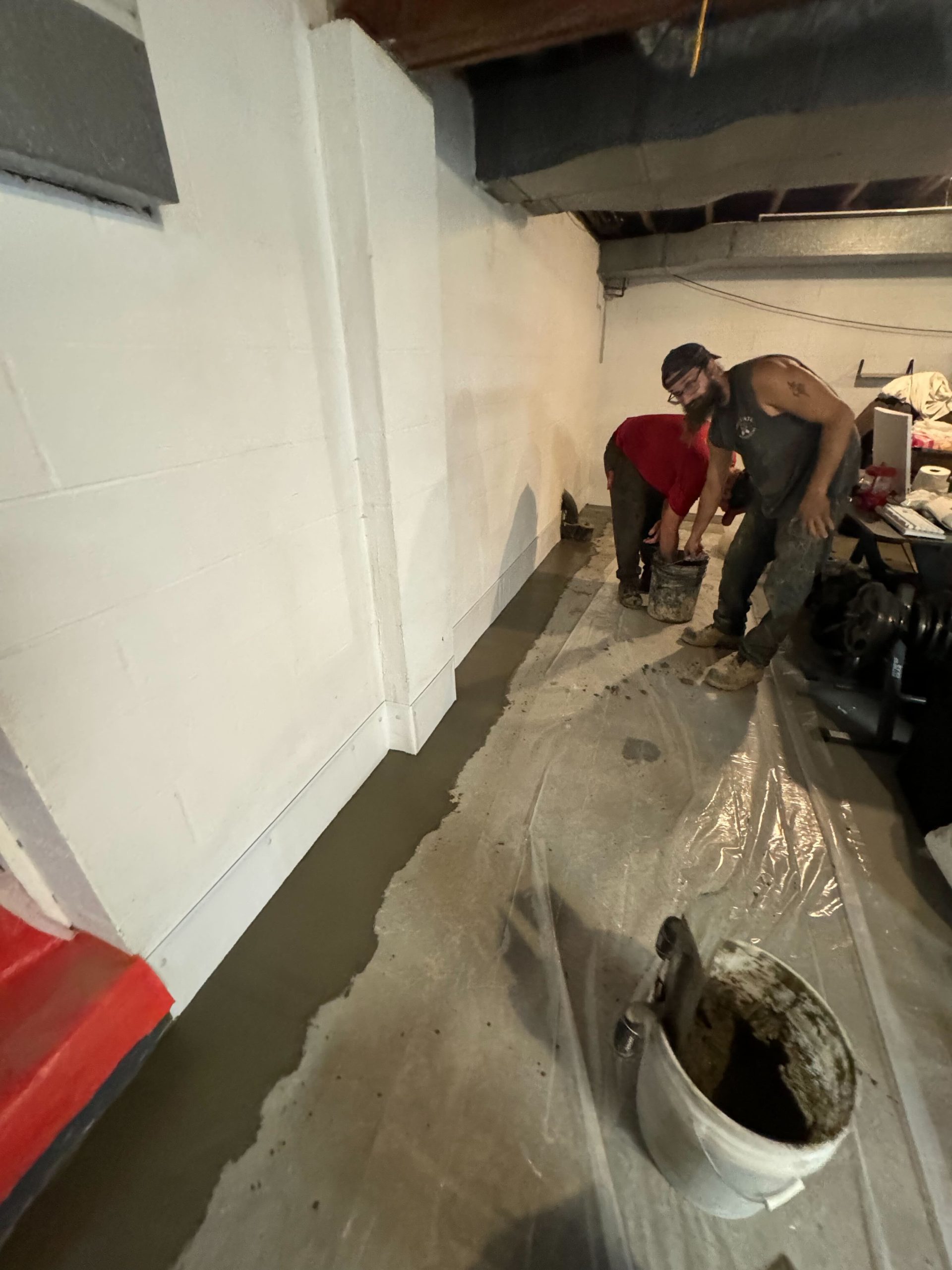
 You’ve done your due diligence, waterproofed your basement, and now you’re wondering – just how long can you expect this protection to last? It’s not a simple answer. The lifespan of your basement waterproofing can vary greatly, depending on several factors such as the method you’ve chosen, the quality of materials used, and even the environmental conditions around your home. As we explore these factors in more detail, you’ll gain a clearer understanding of the longevity of basement waterproofing, and more importantly, how to ensure it stands the test of time.
Key Takeaways
- Basement waterproofing lifespan varies, with concrete sealers lasting 5-10 years, and interior drainage systems lasting 20+ years.
- Exterior waterproofing is the most durable method, potentially lasting over 30 years, but it’s also the most costly.
- The longevity of waterproofing depends on factors like material type, environmental conditions, and quality of installation.
- Ignoring signs of waterproofing failure like damp walls or mold growth can lead to structural damage and health risks.
- Regular maintenance, hiring professionals, and using quality materials can extend the lifespan of basement waterproofing.
Understanding Basement Waterproofing
In the realm of home maintenance, understanding basement waterproofing is crucial. It’s a vital step in preserving the structural integrity of your home. Let’s delve into what exactly it entails.
Basement waterproofing involves techniques and materials used to prevent water from penetrating the basement of a house or other building. Effective below ground waterproofing will include both drainage and sealers. You’re battling the water that inevitably wants to invade your home, given the simple fact that water flows into the paths of least resistance.
There are three common types of basement waterproofing: interior sealants, interior water drainage, and exterior waterproofing.
Interior sealants aren’t technically waterproofing methods, but they can help you control water ingress.
Interior water drainage, while not technically waterproofing either, is widely accepted as the most effective method to prevent basement water damage.
Exterior waterproofing, on the other hand, is the best method to prevent water from making its way into your basement.
Lifespan of Different Waterproofing Methods
Depending on the method chosen, the lifespan of your basement waterproofing can range significantly.
Concrete sealers, for example, are a popular choice due to their affordability and easy application. However, they typically last only between 5 to 10 years before reapplication becomes necessary.
On the other hand, options like waterproofing paint may extend up to a decade, although this largely depends on the precise application and the conditions of your basement. It’s a simple method, but it may require more frequent touch-ups.
Then you have more robust methods such as interior water drainage systems. These systems can last for up to 20 years or more, offering you a long-term solution. They’re more expensive, but you’re paying for longevity and peace of mind.
Lastly, exterior waterproofing, which involves excavating and sealing the outside of your foundation, is the most durable method. While it’s the priciest, it offers a lifespan that can exceed 30 years.
Factors Affecting Waterproofing Longevity
Several factors can affect the longevity of your basement waterproofing.
The type of waterproofing materials used, the environmental impact on these materials, and the importance of regular maintenance all play key roles.
We’ll examine each of these in detail to give you a comprehensive understanding of what influences the lifespan of your basement waterproofing.
Types of Waterproofing Materials
Choosing the right waterproofing material for your basement can significantly influence its longevity.
It’s not just about picking any product off the shelf; you need to consider the type of soil, the construction of your house, and the climate of your region.
Three common types of waterproofing materials are cementitious products, bituminous coating, and liquid waterproofing membrane.
Cementitious waterproofing is the easiest to use, and it’s ideal for areas that aren’t exposed to sunlight or weathering. However, it mightn’t last as long as other materials.
Bituminous coating, or asphalt coating, is excellent for a flexible protective coat. It’s highly adhesive and water-resistant, but exposure to sunlight can reduce its effectiveness over time.
Liquid waterproofing membrane is a thin coating, which consists of a primer coat and two topcoats. It’s flexible, durable, and can last for many years. However, it requires a skilled professional for proper application.
In summation, each material has its strengths and weaknesses, and the best choice depends on your specific circumstances.
You’re not just waterproofing your basement; you’re investing in the longevity of your home. Choose wisely.
Environmental Impact
Environmental factors play a substantial role in the longevity of your basement waterproofing.
These factors can impact how well the waterproofing holds up and how often you’ll need to replace or repair it.
Here are five key environmental factors to consider:
- Soil Type: Certain types of soil retain more water than others. If you’re living in an area with clay soil, it can exert more pressure on your basement walls, accelerating the breakdown of the waterproofing.
- Climate: Areas with heavy rainfall or humidity can lead to more water seepage, potentially damaging the waterproofing over time.
- Temperature Fluctuations: Extreme changes in temperature can cause the materials used in waterproofing to contract and expand, leading to potential cracks and leaks.
- Groundwater Level: High groundwater levels can increase the hydrostatic pressure on your basement, leading to potential water intrusion even with waterproofing.
- Vegetation: The type and proximity of vegetation to your basement can affect its waterproofing. Some plants have invasive roots that can damage the waterproofing barrier.
Regular Maintenance Importance
Regular maintenance acts as a lifeline for your basement waterproofing, extending its lifespan and effectiveness. Ignoring maintenance can lead to a breakdown of the waterproofing system, resulting in potential damage to your property and costly repairs.
You play a crucial role in ensuring the longevity of your waterproofing. Regular checks for signs of wear and tear, such as cracks or leaks, are essential.
Don’t forget to clean your gutters and downspouts as they can cause water to pool around your foundation, undermining your waterproofing system. Also, make sure the soil around your basement slopes away from the foundation to prevent water accumulation.
If you notice any issues during your inspections, don’t hesitate to contact professionals immediately. They’ll be able to diagnose and address the problem before it escalates.
As a homeowner, you might think you’re saving money by skipping regular maintenance. However, the truth is, you’re actually setting yourself up for potentially more significant expenses in the future.
Routine Maintenance and Waterproofing
You may be wondering, how does routine maintenance impact the longevity of your basement waterproofing?
Indeed, its importance can’t be overstated. Proper maintenance can significantly prolong the life of your waterproofing measures, ensuring your basement remains dry and damage-free for many years.
Importance of Routine Maintenance
Often overlooked, routine maintenance plays a crucial role in ensuring the longevity of your basement’s waterproofing.
It’s not just about applying the waterproofing and then forgetting about it. Regular checks and upkeep are vital for its effectiveness and durability.
Now, you might be wondering, what does this maintenance entail? Here’s a simple rundown:
- Regularly inspecting the exterior of your basement for signs of wear or damage.
- Checking for any new cracks or seepage after heavy rainfall or snow.
- Cleaning and maintaining your gutters and downspouts to prevent water buildup.
- Ensuring your sump pump is functioning correctly, especially during wet seasons.
- Periodically resealing your concrete to maintain its water-resistant properties.
Longevity of Basement Waterproofing
Moving from routine maintenance, let’s now discuss the lifespan of basement waterproofing. You might wonder, “How long does it last?” Well, it’s not a one-size-fits-all answer. The longevity of your basement waterproofing largely depends on the type of waterproofing method applied and the quality of the installation.
Typically, interior waterproofing methods like sealants can last up to 10 years, provided they’re applied correctly and the basement is regularly maintained. Meanwhile, exterior waterproofing methods, such as a French drain or exterior sealants, often have a longer lifespan, often lasting anywhere from 20 to 30 years.
That’s significantly longer, isn’t it? It’s important to note, though, that these are just estimates. Various factors, including weather conditions, soil type, and the overall condition of your home, can impact these numbers.
In any case, you’ll extend the life of your basement waterproofing by maintaining it properly. Regular inspections and prompt repairs will prevent minor issues from escalating into major problems.
Signs of Waterproofing Failure
Numerous homeowners may not realize that their basement’s waterproofing system has failed until it’s too late.
Recognizing the signs of failure is crucial to avoid more substantial damage. Here are several indicators you need to keep an eye out for:
- Musty Odors: If you’re noticing a persistent musty smell, that’s a telltale sign of moisture presence, signaling that your waterproofing has likely failed.
- Mold Growth: Mold thrives in damp environments. If you spot any, it’s a clear indication that water is seeping in somewhere.
- Efflorescence: This is a white, powdery substance that appears on your basement walls when water evaporates, leaving mineral deposits behind.
- Damp Walls: Touch your basement walls. If they feel damp, your waterproofing system isn’t doing its job.
- Water Stains: These are usually yellow or brown in color and often indicate a waterproofing issue.
Don’t ignore these signs. They’re your first line of defense in identifying a failing waterproofing system.
Swift action can save you considerable time, money, and stress. Stay vigilant and protect your basement from further damage.
Possible Risks of Ignoring Waterproofing
Ignoring the vital task of basement waterproofing can lead to a host of problems, both immediate and in the long run. You might think you’re saving money now, but in reality, you’re setting yourself up for major expenses down the line.
Here’s a simple table illustrating some of the potential risks of ignoring waterproofing:
| Potential Risk | Result |
|---|---|
| Structural damage | This is the most serious consequence. Water seeping into your basement can weaken your home’s foundation, causing cracks and instability. |
| Mold growth | Basements are prime locations for mold due to their damp, dark conditions. Ignoring waterproofing increases this risk, exposing your family to potential health hazards. |
| Lowered property value | If you ever decide to sell your home, a poorly maintained basement can significantly decrease its value. Buyers will likely factor in the cost of any necessary repairs or renovations. |
Remember, these aren’t just hypothetical risks. They’re very real and can cause major upheaval in your home and life. Therefore, it’s essential to prioritize waterproofing to avoid these potential problems. Your future self will thank you.
In the next section, we’ll discuss “Maximizing Your Waterproofing Investment”.
Maximizing Your Waterproofing Investment
Now that you understand the potential risks of neglecting basement waterproofing, let’s explore how you can best maximize your investment in this process.
As with any home improvement project, a strategic and mindful approach will ensure that your hard-earned money is well-spent.
To make the most of your waterproofing investment, consider the following tips:
- Hire Professionals: Waterproofing is a complex task. Professionals have the skills and experience to do the job correctly, ensuring longevity and effectiveness.
- Quality Materials: Don’t skimp on materials. Quality waterproofing products will last longer and provide better protection.
- Regular Maintenance: Regularly inspect your basement for leaks or damage. Early detection can prevent costly repairs in the future.
- Consider Future Needs: If you’re planning to finish or remodel your basement, discuss this with your waterproofing contractor to incorporate into the plan.
- Warranty: Always opt for services that offer a warranty. This will protect your investment and provide peace of mind.
Frequently Asked Questions
Can Basement Waterproofing Increase the Value of My Property?
Absolutely, basement waterproofing can significantly increase your property’s value.
It not only prevents potential water damage and mold growth, but it also expands usable space in your home.
Potential buyers often see a waterproofed basement as a big plus, giving you an edge in the real estate market.
It’s a wise investment that’ll pay off in the long run, both in property value and peace of mind.
Does Homeowners Insurance Typically Cover Basement Waterproofing?
Typically, your homeowner’s insurance doesn’t cover basement waterproofing.
It’s seen as a preventive measure, not a repair. Insurance usually covers unexpected damage, like from a storm, but not maintenance to prevent potential issues.
However, it’s worth checking your specific policy. You could potentially save yourself a lot of hassle and money down the line by investing in waterproofing now, even if it’s out of pocket.
Are There Any Eco-Friendly Basement Waterproofing Methods?
Yes, there are several eco-friendly methods for basement waterproofing.
You might consider a water-based, low VOC sealant. They’re less harmful to the environment than traditional options.
Green alternatives also include using a French drain system or a sump pump, which can reduce mold and mildew buildup.
Additionally, installing energy-efficient dehumidifiers can help control moisture levels.
Always seek advice from a professional to determine the best eco-friendly solution for your home.
How Does Weather Influence the Basement Waterproofing Process?
Weather greatly influences your basement waterproofing process.
In dry conditions, waterproofing materials adhere better and cure faster. Rain or high humidity can delay the project, as surfaces need to be dry for effective application.
Cold weather can also slow down the curing process.
It’s important you’re aware of these factors when planning your waterproofing schedule, to ensure it’s done properly and lasts for a long time.
Can I Waterproof My Basement by Myself or Do I Need Professional Help?
You can certainly attempt to waterproof your basement yourself, but it’s not always recommended.
The process involves more than just applying a waterproofing product. It requires identifying potential water entry points and structural issues.
You might miss critical spots that a professional wouldn’t. It’s always safer to hire an expert who can guarantee a thorough job and potentially save you future repair costs.
Essential Takeaways for Effective Basement WaterproofingConclusion
So, you’ve learned that basement waterproofing can last from 5 to over 30 years, depending on the methods used. How long yours lasts hinges on factors like environmental conditions, maintenance, and quality of installation. Regular inspections are key to extending its lifespan. Don’t ignore signs of failure, as the risks can be significant. Taking steps to maximize your waterproofing investment will pay off in the long run, ensuring a dry, safe basement for years to come.

Ohio State Waterproofing has provided quality service with over 90,000 successful waterproofing and foundation repair installations and satisfied customers since our inception in 1978.
Ohio State Waterproofing’s philosophy for success is to provide honest, courteous and guaranteed service to every customer. Our reputation reflects this. Our well-trained waterproofing technicians are dedicated to complete customer satisfaction. This is achieved through fast, efficient processes as well as teamwork throughout this organization. You will always find a friendly representative willing to meet your needs at Ohio State Waterproofing.
We are a full service company that handles problems ranging from patching cracks to rebuilding basements. In addition, we hold three patents related to waterproofing that make us unique in the industry. These patents and our experience allow us to be able to do what every other waterproofer can do, but no one else can do what we do.
We are actively involved in the industry and community, including the National Association of Waterproofing Contractors, BHA, NARI, NAHB, NHIA, the BIA, the FHA and a number of consumer advocacy groups, as well as playing leading roles in a number of charitable functions.
But, most importantly, our highest degree of praise comes from the thousands of referrals we get from satisfied customers. Together they’ve made us a leader in the basement waterproofing and foundation repair industry.

