
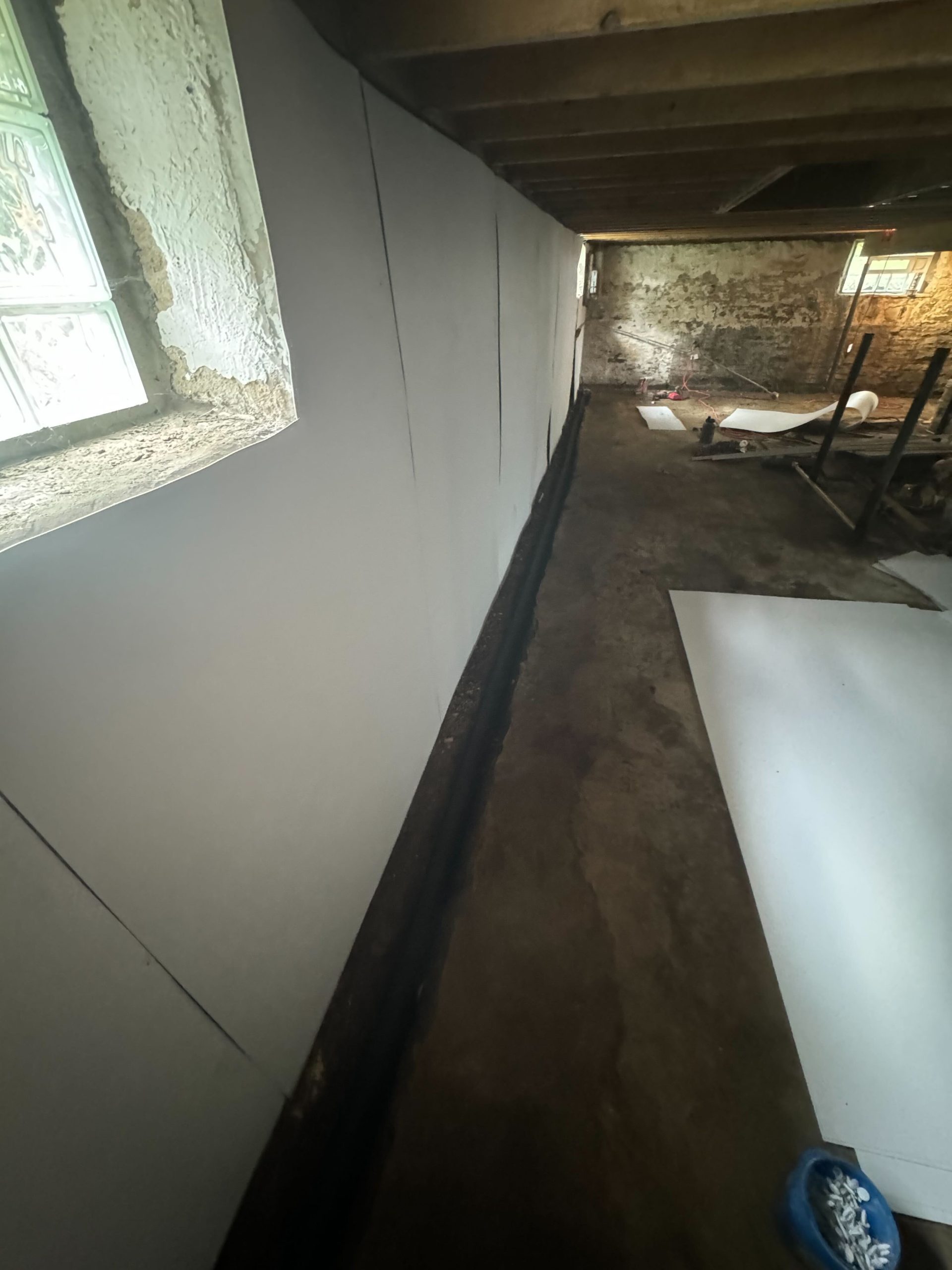
 Ever faced a damp or flooded basement? It’s a pain, right? But, what if you could prevent that? Basement waterproofing is your home’s guardian against water damage, maintaining its structural integrity. You might’ve heard of sealants, sump pumps, or drainage systems, but do you know how to use them effectively? Or how about the role of gutters and soil grading? Let’s explore to uncover these techniques and help you keep your basement dry. After all, wouldn’t you want to know how to safeguard your home’s foundation? There’s more to tell, so stick around.
Key Takeaways
- Waterproofing techniques include using sealants, sump pumps, and drainage systems to manage water intrusion.
- Exterior waterproofing involves applying waterproof membranes, maintaining gutters, and grading soil for runoff guidance.
- High-quality materials like durable sealants and pumps ensure better protection and prevent recurring water issues.
- DIY waterproofing options include applying waterproofing paint or sealer to basement walls and using dehumidifiers.
- Regular maintenance of waterproofed basements is crucial for long-term effectiveness, including inspections and humidity control.
Understanding Basement Waterproofing
Basement waterproofing, a critical aspect of home maintenance, may seem like a complex subject at first glance. But don’t worry, it’s not as overwhelming as it sounds. At its core, it’s simply the process of keeping water out of your basement. This is achieved through a combination of methods designed to either block water from entering or to divert it away once it has.
You’ll often hear the term ‘interior waterproofing’. This refers to actions taken within the home, such as applying waterproof sealants and coatings, or installing a sump pump to remove water that’s accumulated.
There’s also ‘exterior waterproofing’, which is usually more extensive and costly. It involves excavating around the house to install a waterproof barrier on your foundation walls.
Finally, ‘drainage systems’ are another key component. These could be internal (below the basement floor) or external (around the foundation), and they help to channel water away from your home.
Understanding these basics is the first step in a successful basement waterproofing project.
Importance of Basement Waterproofing
Without a doubt, waterproofing your basement is an essential aspect of safeguarding your home’s structure and value. It’s not just about preventing water damage, though that’s certainly a key part. It’s about maintaining the integrity of your home’s foundation, keeping your living environment healthy, and protecting your investment.
Water seeping into your basement can erode the foundation over time. This can lead to structural instability and potentially catastrophic failure. Waterproofing helps to protect against this, ensuring that your home remains stable and secure for years to come.
Your basement can also be a breeding ground for mold and mildew if it’s not properly waterproofed. These can cause health issues for you and your family, especially if anyone has respiratory problems.
Signs You Need Basement Waterproofing
Recognizing the need for basement waterproofing can often be the first step towards maintaining the structural integrity of your home.
But how do you know when it’s time to waterproof your basement? Here are some telltale signs you should look out for.
You’ll want to check for dampness or moisture on your basement walls, floors, or corners. This could be signs of condensation, seepage, or even a leak.
You may also notice a persistent musty odor, which is a strong indicator of mold or mildew growth. These fungi thrive in damp environments and can pose serious health risks if left unchecked.
Cracks in your basement walls, floors, or around windows and doors could be more than just cosmetic issues.
They’re often signs of water intrusion or even structural damage. Efflorescence, a white, powdery residue left behind by evaporating water, is another sign you shouldn’t ignore.
Additionally, if you’re experiencing frequent flooding in your basement or notice pools of water after a heavy rain, it’s time to contemplate waterproofing.
These are all critical indicators suggesting your basement is susceptible to water damage and needs professional intervention.
Interior Vs Exterior Waterproofing
Now, let’s turn your attention towards the difference between interior and exterior waterproofing techniques.
It’s essential to comprehend how these methods work in order to make an informed decision on which approach is best for your basement.
In the following discussion, we’ll explore each technique in detail and provide insights to help you choose the most effective solution.
Understanding Interior Waterproofing
Without a doubt, comprehending the difference between interior and exterior waterproofing is vital for any homeowner. So let’s explore understanding interior waterproofing.
Interior waterproofing, often referred to as water control, doesn’t stop water from entering your home but rather manages it once it does. If you’re experiencing minor, consistent moisture issues, this could be a viable solution. Techniques include applying sealants, installing sump pumps, and utilizing interior drainage systems.
Sealants, while not a foolproof solution, can help manage humidity levels by covering small cracks and porous areas, preventing moisture from seeping in. However, they’re not meant to handle large leaks or serious water issues.
Sump pumps work by collecting water that’s entered your home and pumping it back outside. They’re typically installed in the lowest part of your basement. It’s an effective method, but regular maintenance is critical to guarantee it’s working properly.
Interior drainage systems, on the other hand, are installed beneath your basement floor. They catch water that enters and direct it to the sump pump.
Used together, these techniques can effectively manage your home’s interior water issues.
Exterior Waterproofing Techniques
Switching gears, let’s explore exterior waterproofing techniques.
These methods are typically more extensive and costly than interior techniques, but they’re also often more effective because they stop water from ever reaching your basement walls.
The most common form of exterior waterproofing is the installation of a drainage system. This involves excavating the soil around your basement, installing a perforated pipe at the base of your foundation, and covering it with gravel.
This pipe, often referred to as a French drain, funnels water away from your home, keeping your basement dry.
Another effective exterior waterproofing technique is the application of a waterproof coating or membrane to the outside of your basement walls. This acts as a barrier, preventing water from penetrating your walls.
It’s an intensive process, requiring excavation of the area around your home, but it can be extremely effective.
Lastly, you might consider slope adjustment. If your yard slopes towards your home, rainwater will naturally flow towards your basement.
Choosing Between the Two
Although both interior and exterior waterproofing techniques have their own unique benefits, the choice between the two largely depends on your specific needs and circumstances.
If your home is already built and you’re experiencing water damage or moisture problems, interior waterproofing might be the most feasible option. It’s less invasive and typically less expensive than exterior waterproofing. Techniques such as applying waterproofing coatings and installing a sump pump can help manage water issues from the inside.
On the other hand, if you’re in the process of constructing a new home or planning significant outdoor renovations, exterior waterproofing could be the better choice. It’s more thorough and tackles potential water problems from the outside, preventing water from ever reaching your home’s interior.
However, it should be emphasized that it’s more labor-intensive and costlier.
In the end, it’s about weighing your needs, budget, and the severity of your water problem. Consult with a reputable waterproofing professional who can assess your situation and guide you towards the most effective solution.
Key Techniques for Interior Waterproofing
Now, let’s turn your attention to the key techniques for interior waterproofing.
First, you’ll need to comprehend the role and application of interior sealants.
Then, we’ll discuss why a well-designed drainage system is essential to keep your basement dry and safe.
Understanding Interior Sealants
Your home’s interior sealants are an integral part of the waterproofing process, particularly vital in safeguarding your basement against potential water damage. These products work by creating a barrier that water can’t penetrate, thereby protecting your basement walls and floor.
There are several types of interior sealants you might consider. Acrylics and silicon-based sealants are both popular options. Acrylics are water-based and easy to apply, making them a good choice for DIY projects. Silicon-based sealants are more durable, but they’re also more complex to apply, often requiring professional installation.
Additionally, you’ll need to decide between a penetrating sealer, which gets into the pores of your basement walls and floor to block water, or a coating sealer, which forms a protective layer on the surface. Penetrating sealers offer a more long-term solution, while coating sealers may need to be reapplied over time.
Using interior sealants correctly is essential. You should always clean and dry the area thoroughly before applying the sealant, and follow the manufacturer’s instructions carefully.
Don’t forget that while interior sealants can be highly effective, they should be used in conjunction with other waterproofing techniques for the best protection.
Importance of Drainage Systems
Every home needs a reliable drainage system, particularly for basement waterproofing. If you’re a homeowner, understanding this concept is crucial. It’s your first line of defense against water damage, and without it, your basement stands a higher risk of flooding, leading to costly repairs and potentially hazardous mold growth.
Interior drainage systems play a pivotal role in keeping your basement dry. They’re designed to capture any water that might seep into your basement and direct it away from your home. This is accomplished through the use of perforated pipes installed beneath the basement floor, along with a sump pump that actively pumps out any collected water.
Using this technique, you’re not just dealing with the symptoms of a wet basement; you’re addressing the root cause. It’s a proactive approach that guarantees your basement remains dry and safe, regardless of outdoor weather conditions.
Essential Methods for Exterior Waterproofing
In the domain of residential maintenance, mastering essential methods for exterior waterproofing is an important skill. It’s not just about keeping your basement dry; it’s about protecting the structural integrity of your home.
Let’s explore some key techniques.
Firstly, consider applying a waterproofing membrane. This is a thick layer of material that’s applied to your home’s exterior foundation walls. This membrane provides a physical barrier that prevents water from penetrating your basement walls.
Secondly, invest in a good quality drainage system. While this will have been discussed in a previous section, it’s worth reiterating its importance. A well-designed drainage system redirects water away from your home’s foundation, preventing it from pooling and causing potential damage.
Lastly, don’t overlook the power of simple maintenance. Regularly cleaning your gutters and downspouts can have a significant impact on preventing water buildup around your home’s foundation.
DIY Waterproofing Solutions
Now, let’s turn our attention to DIY Waterproofing Solutions.
You’ll need to understand various DIY methods, know what essential supplies to have on hand, and learn how to implement successful techniques.
In the following section, we’ll guide you through these points to guarantee you’re well-equipped to tackle this task.
Understanding DIY Waterproofing Methods
Despite the wide array of professional services available, you might prefer to tackle basement waterproofing on your own. After all, it’s a practical way to save money if you’re willing to put in the labor. But where do you start?
First, it’s essential to understand the different DIY waterproofing methods available. There’s interior waterproofing, which includes applying waterproofing paint or sealer to your basement walls. This method can help keep moisture out but won’t necessarily combat a more severe problem like a high water table.
Then you’ve got exterior waterproofing. This method, though more labor-intensive, can be more effective. It involves digging around the outside of your house to apply a waterproof barrier to your foundation. This barrier prevents water from ever reaching the basement walls, therefore providing a more thorough solution.
Essential Waterproofing Supplies
Before tackling any waterproofing project, it’s important to arm yourself with the right tools. The success of your project largely depends on the quality and suitability of your supplies.
Firstly, you’ll need a good quality waterproofing paint or sealant. It’s specifically designed to block moisture, preventing it from seeping into your basement. Make sure you choose a product that’s suitable for the type of walls in your basement.
Secondly, invest in a sturdy, reliable paint roller and brushes. These tools are essential for applying the waterproofing product evenly across the surface.
You’ll also need a wire brush to clean the walls before application, and a scraper to remove any existing flaky paint or debris.
A pair of heavy-duty gloves will protect your hands during the process, and a pair of safety glasses is also recommended to protect your eyes from any splashes.
Lastly, you’ll need a dehumidifier. This device will help to keep the moisture level in your basement low, preventing any future water issues after the waterproofing process is complete.
Implementing Successful Waterproofing Techniques
Initiating a DIY basement waterproofing project demands a clear understanding of the techniques involved.
You’ll need to start by identifying the source of the water problem. This could be from condensation, runoff, or groundwater swelling. Once you’ve determined the cause, you can start implementing your waterproofing methods.
Condensation can be managed by increasing ventilation and investing in a dehumidifier. If your basement is prone to runoff, you’ll need to divert water away from your house. This could involve adjusting your landscaping or installing gutters and downspouts.
For groundwater swelling, consider installing a sump pump or using interior wall and floor sealers.
You also need to guarantee your basement walls are properly sealed to prevent water intrusion. Waterproofing paints and sealants can be applied to both interior and exterior walls. However, remember that these solutions aren’t permanent and will need to be reapplied over time.
Lastly, don’t forget to inspect and maintain your basement regularly. Early detection of water problems can save you time, money, and hassle in the future.
With these techniques, you’ll be well on your way to a dry and safe basement.
Hiring Professional Waterproofing Services
Choosing to hire professional waterproofing services can be an important decision in safeguarding your basement. These experienced professionals can offer a thorough solution that not only resolves existing issues but also prevents future problems.
They’re skilled in identifying the root cause of water seepage and have access to high-quality materials and advanced technology that mightn’t be available to you.
In fact, professional waterproofing services can provide specific solutions tailored to your home’s unique needs. They can address issues related to both internal and external waterproofing, from sealing cracks and installing sump pumps to applying exterior waterproof coatings and installing drainages.
It’s not just about the technical skills; they’re also knowledgeable about local building codes and regulations, making sure your project is compliant.
It’s important, however, to do your due diligence before hiring. Check out online reviews, ask for references, and verify they’re licensed, insured, and bonded.
It’s also advisable to get multiple quotes to understand the range of services offered and the quality of work you can expect.
Basement Waterproofing Cost Estimates
When planning a basement waterproofing project, understanding the potential costs involved is important. You’ll need to take into account several factors that can greatly influence the final cost.
While it’s impossible to provide an exact figure without a site-specific assessment, let’s explore some general estimates to give you a ballpark idea.
Firstly, the scale and complexity of the project will directly impact the cost. For a basic, external waterproofing job, you might spend between $1,000 to $4,000. However, extensive problems may require interior waterproofing, which can range anywhere from $600 to $10,000 or more.
The condition of your basement also plays a key role in determining the cost. If there’s considerable damage, repair expenses can add considerably to your overall budget.
Another factor to keep in mind is the materials used. High-quality waterproofing materials can be more expensive, but they’ll provide better protection and longevity.
Lastly, labor costs vary depending on your location and the contractor you hire. It’s advisable to get quotes from several professionals to make sure you’re getting a fair price.
Maintaining Your Waterproofed Basement
After investing in the waterproofing of your basement and bearing the associated costs, it’s equally important to guarantee its proper maintenance for the long haul.
Regularly inspecting the condition of your waterproofing system is essential. Look out for signs of wear and tear, such as cracks, damp patches, or the smell of mildew.
Keep gutters clean and make sure downspouts direct water away from your home’s foundation. This prevents water from seeping into the basement, thereby preserving the integrity of your waterproofing system.
Also, control the interior humidity levels. Invest in a good-quality dehumidifier if necessary – they’re great at reducing excessive moisture.
Manage the landscape around your home. Slope the ground away from your home to prevent water accumulation near the foundation. Avoid planting trees close to your home as roots can damage the waterproofing system.
Frequently Asked Questions
What Is the Lifespan of a Professionally Waterproofed Basement?
You’re looking at a lifespan of 10 to 15 years for a professionally waterproofed basement. However, it’s essential to maintain it properly and address any potential issues promptly to guarantee its longevity.
Can Waterproofing Increase the Value of My Home?
Indeed, waterproofing can boost your home’s value. It’s like putting money in the bank. Buyers will likely pay more for a house with a dry, usable basement that won’t require immediate water damage repairs.
Does Homeowners Insurance Typically Cover Basement Waterproofing?
Typically, homeowner’s insurance doesn’t cover basement waterproofing. It’s considered a home maintenance issue, not an unexpected event. However, you should check your policy or consult with your provider for your specific coverage details.
Can I Waterproof a Basement in an Old House?
You can waterproof an old house’s basement. It’s a bit like giving an old dog new tricks. You’ll need to inspect for issues, then use techniques like sealants, drainage systems, or even exterior waterproofing.
Does the Season Affect the Basement Waterproofing Process?
Yes, the season can impact your basement waterproofing process. Ideally, you’d tackle this during dry, warm months. Cold or wet conditions can complicate the application and drying of waterproofing materials. Plan accordingly for best results.
Key Takeaways: Essential Basement Waterproofing InsightsConclusion
In the end, isn’t safeguarding your home’s structure and ensuring a healthy basement environment worth the investment? Don’t overlook the importance of routine maintenance and timely professional services. Embrace the key techniques of basement waterproofing, from applying sealants to installing sump pumps, to protect your home from potential water damage. Remember, a dry basement isn’t just a convenience, it’s a necessity. Be proactive and shield your home today.

Ohio State Waterproofing has provided quality service with over 90,000 successful waterproofing and foundation repair installations and satisfied customers since our inception in 1978.
Ohio State Waterproofing’s philosophy for success is to provide honest, courteous and guaranteed service to every customer. Our reputation reflects this. Our well-trained waterproofing technicians are dedicated to complete customer satisfaction. This is achieved through fast, efficient processes as well as teamwork throughout this organization. You will always find a friendly representative willing to meet your needs at Ohio State Waterproofing.
We are a full service company that handles problems ranging from patching cracks to rebuilding basements. In addition, we hold three patents related to waterproofing that make us unique in the industry. These patents and our experience allow us to be able to do what every other waterproofer can do, but no one else can do what we do.
We are actively involved in the industry and community, including the National Association of Waterproofing Contractors, BHA, NARI, NAHB, NHIA, the BIA, the FHA and a number of consumer advocacy groups, as well as playing leading roles in a number of charitable functions.
But, most importantly, our highest degree of praise comes from the thousands of referrals we get from satisfied customers. Together they’ve made us a leader in the basement waterproofing and foundation repair industry.
