
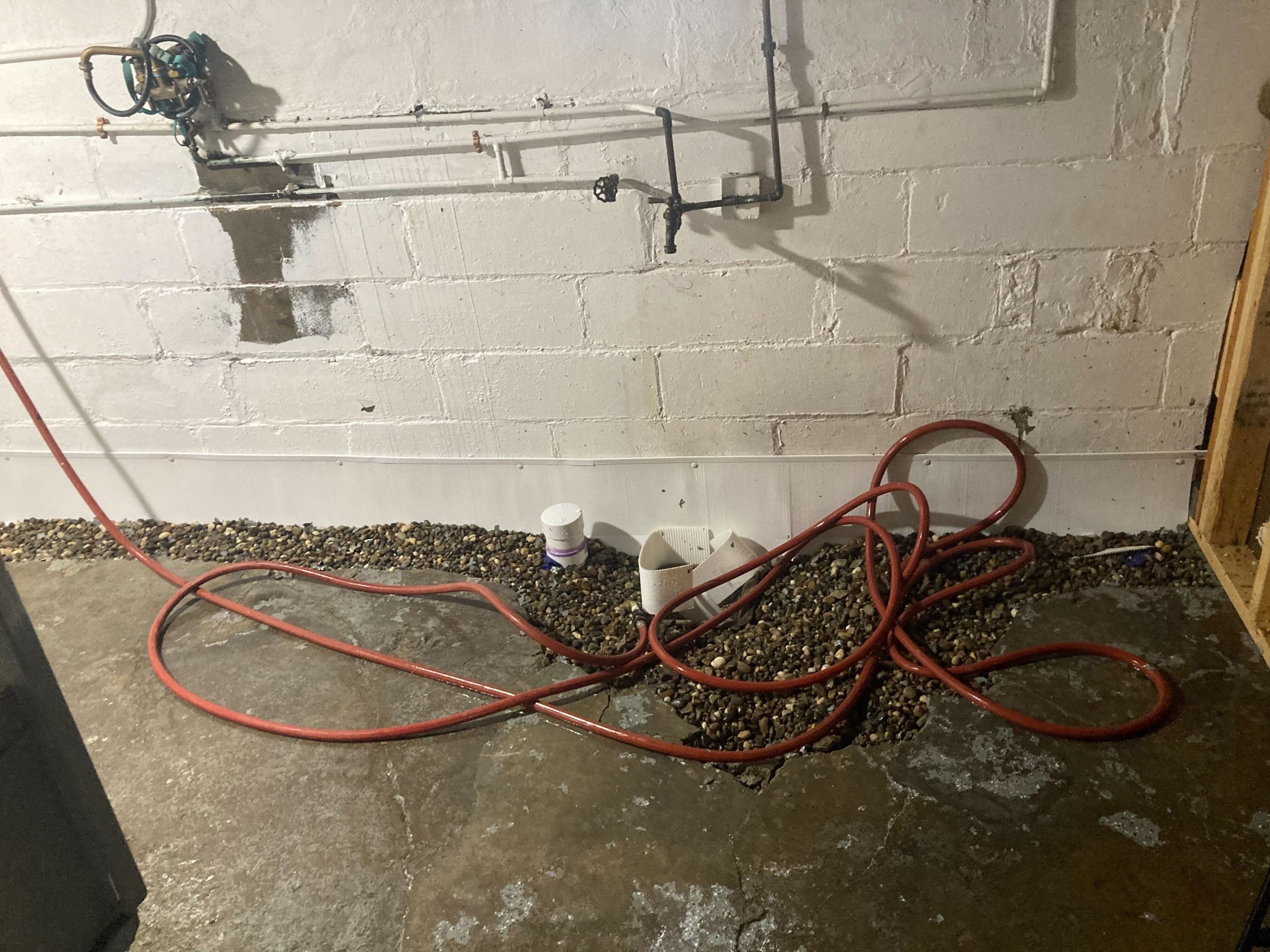
 Have you ever noticed a musty smell in your basement? Or perhaps you’ve seen damp patches that just won’t dry up? These are the early warnings of a water problem that, if not taken care of, can lead to serious repercussions for your home’s structure and your family’s health. From mold growth to electrical shorts and compromised insulation, the damage escalates gradually but can be halted with early detection and proactive measures. So, why not take a few moments to understand this timeline of damage and learn how to prevent it?
Key Takeaways
- Water problems in basements start with signs like musty smells, damp patches, and visible leaks.
- Dampness can weaken structural integrity over time and create an environment conducive to mold growth.
- Water intrusion can cause electrical shorts and circuit overloads, leading to potential fire hazards.
- Water damage to insulation and HVAC systems can lead to increased energy bills and costly repairs.
- Preventive measures like effective drainage systems and regular maintenance can mitigate the risk of future water problems.
Recognizing Early Warning Signs
The first whispers of a basement water problem can be subtle. You might notice a musty smell indicating high humidity.
It’s essential to take this seriously, as it’s a clear sign you need to improve basement ventilation and consider humidity control measures.
Leak detection is another critical aspect. You might see damp patches on walls or floors.
Don’t overlook it, thinking it’s a one-off occurrence. It’s likely an indication of a much larger problem.
Drainage solutions can help control water that’s already present, while a sump pump can be a lifesaver in situations where water is entering your basement regularly.
Waterproofing techniques, such as applying moisture barriers and soil grading around your home’s foundation, can also help keep water out.
Seasonal maintenance and routine inspections are key to catching problems early.
For instance, spring’s thaw can lead to an influx of water. Regular checks ensure your sump pump is functioning and drainage systems aren’t blocked.
Understanding the Dangers of Dampness
Ignoring the subtle signs of basement dampness can give rise to serious complications, making it vital to understand the dangers associated with it.
The dampness effects aren’t just cosmetic; they can pose a real threat to your home’s structure and your health.
Moisture sources vary, ranging from surface water runoff to groundwater intrusion.
Humidity levels can escalate due to poor air circulation and seasonal changes, exacerbating the issue.
Understanding these dangers, you might wonder what can be done.
Here’s a simple 4-step approach:
- Identify and Control Moisture Sources: This includes managing surface water and limiting groundwater intrusion.
- Improve Air Circulation and Ventilation: Proper basement ventilation is key to reducing humidity levels.
- Implement Drainage Solutions: Effective solutions can help manage the water that does find its way in.
- Apply Waterproofing Techniques: These can protect against future moisture issues.
The Growth and Impact of Mold
Without proper attention, your basement can quickly become a breeding ground for mold. This fast-growing fungus thrives in damp, dark environments, making your neglected basement the perfect habitat.
What’s more, the growth of mold isn’t just unsightly; it can lead to a wide range of health issues, including allergies, asthma, and other respiratory conditions.
Mold prevention techniques revolve around controlling moisture in your basement. Regularly inspecting and maintaining your basement’s waterproofing system is crucial. Additionally, using a dehumidifier can help keep humidity levels low, discouraging mold growth.
However, if mold has already taken hold, you’ll need to employ mold removal methods. It’s advised that you hire professionals for this task, as improper removal can lead to spore dispersion, exacerbating the problem.
In general, mold removal involves isolating the affected area, removing contaminated materials, and treating the area with biocides.
Water Damage and Electrical Systems
In the midst of a basement water crisis, it’s easy to overlook the potential dangers posed to your electrical systems. Water infiltration can create electrical shorts and circuit overloads, threatening your home’s safety and potentially leading to costly repairs.
Here’s what you need to understand:
- Electrical Shorts: Water can act as a conductor, causing electricity to travel in unintended paths, which can lead to electrical shorts. This might result in flickering lights, a burning smell, or even sparks.
- Circuit Overloads: If water reaches your electrical panel, it can cause circuit overloads. This might cause frequent tripping of circuit breakers, or worse, a fire.
- Corrosion: Over time, water can corrode wires, outlets, and switches, impairing their functionality and posing a safety risk.
- Electrical Shock: Wet electrical systems can cause electrical shocks if touched. Always shut off the power if water has infiltrated your basement.
How Water Weakens Foundation Walls
While the dangers to electrical systems are certainly noteworthy, it’s equally important to understand how water can compromise the strength of your foundation walls. Your home’s structural integrity is largely dependent on these walls, and persistent water exposure can lead to foundation erosion.
Over time, water from poor drainage, leaks, or floods seeps into the porous concrete, brick, or stone of your foundation walls. This ongoing process causes the material to degrade, leading to cracks and fractures.
These signs of damage aren’t just cosmetic – they indicate a weakening of the wall’s structural integrity. As these cracks grow in size and number, they create avenues for even more water intrusion, exacerbating the erosion process.
Eventually, if not addressed, this cycle can result in significant structural damage, possibly leading to wall collapse.
The Threat to Basement Flooring
Just as your home’s structural integrity relies on solid foundation walls, the durability and functionality of your basement significantly hinge on the quality of your basement flooring. When exposed to water, the flooring materials can degrade rapidly, compromising your basement’s usability.
- Sudden or prolonged exposure to water: Over time, water can seep into the flooring material, causing it to warp, crack, or buckle. This not only affects the aesthetics but also poses safety risks due to uneven surfaces.
- Mold and mildew growth: Damp flooring creates a conducive environment for mold and mildew, which can lead to structural damage and health issues.
- Moisture barriers breakdown: These barriers are designed to prevent moisture from reaching the flooring materials. However, continuous exposure to water can cause these barriers to degrade, allowing moisture to penetrate the flooring.
- Compromised flooring material integrity: As water penetrates deeper, it can cause irreversible damage to your basement’s flooring materials, leading to costly repairs or replacements.
Impact on Insulation and HVAC Systems
Water damage doesn’t stop at ruining your basement’s flooring. It deals a severe blow to your insulation and HVAC systems as well. The impact is most profound when you begin to notice insulation deterioration.
Water can soak into your insulation, causing it to compress and lose its thermal resistance. In other words, it can’t keep your house warm or cool as efficiently as it should. Over time, you’ll see a spike in your energy bills as your HVAC system works harder to maintain an ideal temperature.
Moreover, a wet insulation serves as a perfect breeding ground for mold. The growth of mold not only destroys your insulation further but also poses a severe health risk to you and your family. It’s a double whammy you’d want to avoid.
The HVAC system isn’t spared either. The increased humidity from water damage can decrease HVAC efficiency and lifespan. Water can harm the parts of the HVAC system, reducing its performance.
In severe cases, it may even require expensive repairs or replacements.
In short, water damage in your basement can have a domino effect, leading to insulation deterioration and a decrease in HVAC efficiency. It’s crucial to address these issues promptly to avoid more costly damage down the line.
Water Damage and Pest Infestation
Water damage in your basement can introduce unwanted pests into your home.
You’ll need to know how to identify these pests and understand the potential consequences of an infestation.
We’ll also guide you through effective pest control measures to protect and preserve your property.
Identifying Water-Related Pests
Plagued by a damp basement, you might find yourself dealing with more than just water damage; pests can also become a significant issue.
Recognizing early signs of infestation is crucial to prevent further damage. Therefore, understanding moisture indicators and identifying different pest species is a critical step before any remedial action.
- Moisture Indicators: Look out for signs of excessive moisture. These include damp spots, mold growth, or a musty smell. These conditions attract a variety of pests.
- Termites: Termites are one of the most destructive pests. They thrive in moist environments and can severely damage the structure of your home.
- Cockroaches: These pests also favor damp conditions. They’re often found in areas where moisture is high, like basements and bathrooms.
- Silverfish: Silverfish are attracted to damp, humid areas. They’re nocturnal and can damage your belongings, especially those made of paper or fabric.
Identifying these pests early can help you take immediate action and prevent severe damage.
Pest Infestation Consequences
Countless homeowners often underestimate the consequences of pest infestation, especially in a damp basement. The moisture creates an ideal environment for pests to thrive, and their behavior can quickly escalate from a minor nuisance to a significant problem that affects the health of your home and family.
Pests such as cockroaches, rats, and termites are attracted to damp environments. They’re not just bothersome; they can cause substantial damage. For instance, termites can weaken the foundation of your home, rats can gnaw on electrical wiring causing potential fire hazards, and roaches can spread bacteria and allergens.
Beyond physical damage, pest infestations can harm your health. Many pests carry diseases that can infect humans, or cause allergic reactions. For instance, cockroach allergens can trigger asthma attacks, especially in children. Rat droppings can cause Hantavirus, a severe respiratory disease.
Pest control is crucial in this scenario. The longer you wait to address the issue, the more challenging and expensive it becomes to rectify it.
Effective Pest Control Measures
Addressing a pest problem in a moist basement demands prompt and effective action.
Water damage creates the perfect environment for pests, and without proper pest management, your basement can quickly become a breeding ground for various creatures.
Here are four effective pest control measures to help you:
- Identify and Seal Entry Points: Pests can creep into your basement through the smallest of cracks and holes. Regularly inspect your basement and seal any potential entry points you find.
- Dehumidify: Since pests thrive in moist environments, using a dehumidifier can make your basement less appealing to them, aiding in pest prevention.
- Regular Cleaning: Regularly cleaning your basement can discourage pests. Remove any clutter and clean all areas, especially dark and damp corners.
- Professional Pest Management: If the infestation is severe, it’s best to hire a professional pest management service. They’ve the expertise and tools to effectively handle and eliminate pests.
Remediation Strategies for Water Damage
Now that you’ve identified water damage in your basement, it’s time to tackle the problem head-on.
We’ll explore a variety of solutions that can rectify this issue and restore your basement to its former glory.
But, it’s not just about solving the problem, we’ll also focus on preventative measures to ensure you won’t face this issue again in the future.
Identifying Water Damage
Your basement’s health can be severely compromised by water damage, leading to costly repairs if not promptly addressed. Identifying water damage early is critical, and involves two key areas: water detection and moisture assessment.
Understanding the signs of water damage is the first step in water detection. These may include:
- Visible water: This is the most straightforward sign. Pools of water or leaks should be addressed immediately.
- Dampness or wet spots: These areas can indicate a slow leak or seepage.
- Unpleasant odors: Persistent musty smells can suggest hidden water damage.
- Mold growth: Visible mold is a clear indication of a moisture problem.
The second area, moisture assessment, involves determining the level of dampness in walls, floors and other materials. Specialized tools such as moisture meters and infrared cameras can be highly effective in detecting hidden moisture.
Ignoring these signs can lead to escalating damage, so it’s important to take action at the first indication of a problem.
Water Damage Solutions
When it comes to resolving water damage in your basement, immediate and effective action is crucial. You can’t afford to be complacent, as this can lead to extensive structural damage and hazardous mold growth. Thankfully, there are remediation strategies you can employ.
One of the primary ways to tackle water damage is through drainage solutions. Drainage systems are designed to divert water away from your home, effectively reducing the chance of it seeping into your basement. These systems can be external, like French drains, or installed internally beneath your basement floor.
Sump pumps are another effective solution. These devices are usually installed in the lowest part of your basement, in a specially constructed sump pit. When water enters your basement, it’s directed to the sump pit. The sump pump then automatically pumps the water out and away from your home.
Preventing Future Issues
In order to prevent future issues with water damage in your basement, it’s critical to implement effective remediation strategies. Prevention forms the cornerstone of all successful water damage solutions.
There are several measures you can take to safeguard your basement from future damage.
- Install a well-designed drainage system. Having a proper drainage system is vital. It diverts excess water away from your home, reducing the chances of it seeping into your basement.
- Use sump pumps effectively. A sump pump can be a great investment for your basement, especially if you live in an area prone to heavy rainfall or flooding. This device pumps out water that collects in the sump basin and discharges it away from your house.
- Ensure regular maintenance. Regular maintenance of your drainage systems and sump pumps helps spot and fix potential issues before they escalate.
- Waterproof your basement. Waterproofing involves sealing any potential points of entry for water.
Preventing Future Basement Water Problems
Addressing the issue of basement water problems now can save you a great deal of trouble down the road. Proactive measures can help prevent future water damage, saving you time and money, not to mention the hassle of dealing with cleanup and repairs.
One of the most effective preventative measures is to implement drainage solutions. Properly installed drainage systems can reroute excess water away from your home, reducing the risk of basement flooding. This includes gutter systems that direct rainwater away from your home’s foundation, and interior drainage systems that can help prevent water from accumulating in your basement.
Alongside drainage, waterproofing techniques are also crucial in preventing basement water problems. Waterproofing can range from applying sealant on your basement walls and floors to installing a sump pump system.
These techniques create a barrier that prevents water from seeping into your basement, thereby protecting your home from potential water damage.
Frequently Asked Questions
What Are the Costs Associated With Repairing Water-Damaged Basements?
You’re likely to face varying costs when repairing a water-damaged basement.
Expenses can range from a few hundred to several thousand dollars. These costs factor in mold remediation, which can be hefty, depending on the severity.
Foundation repair expenses also contribute significantly, with prices fluctuating based on the extent of the damage.
Does Homeowners Insurance Typically Cover Water Damage in Basements?
Typically, your homeowners insurance policy does cover water damage in basements, but it’s subject to your policy’s coverage limits.
However, it’s important to note this usually doesn’t include flooding or sewer backup. You’d need additional coverage for those issues.
It’s always best to thoroughly review your policy’s specifics, as each insurance company’s coverage can vary.
If you’re unsure, don’t hesitate to contact your insurer for clarification.
Can Water Damage Impact the Overall Value of My Property?
Absolutely, water damage can significantly impact your property’s value.
It triggers property depreciation since it weakens the structure and aesthetics of your home.
Moreover, the market perception of a water-damaged property isn’t positive as potential buyers often shy away from such homes.
Therefore, addressing water issues promptly can prevent costly damage and help maintain your property’s value in the long run.
How Does Seasonal Rainfall or Snowfall Affect Basement Water Problems?
Seasonal rainfall and snowfall can significantly increase basement water problems.
When you’re faced with heavy rains or melting snow, your current drainage solutions mightn’t keep up, leading to excess moisture. This moisture seeps into your basement, causing dampness and potential damage.
It’s crucial to maintain proper moisture control to prevent such issues, as they can escalate if ignored.
Are There Professionals Who Specialize in Basement Water Damage Restoration?
Absolutely, there are professionals who specialize in basement water damage restoration.
They’re skilled in basement waterproofing and mold remediation.
They’ll assess the damage, dry out your space, clean up the mess, and prevent future issues.
It’s crucial to call them as soon as you notice a problem.
They’ll save you time, money, and the stress of dealing with water damage and potential mold growth.
Don’t wait, protect your home now.
Risks, Signs, and Costs of Basement Water Damage
Don’t ignore early signs of basement water problems. They can start subtly but escalate quickly, damaging your insulation, electrical systems, and compromising the foundation. Mold growth and pest infestations further aggravate the situation. Act promptly, employ remediation strategies, and take preventive measures to protect your home’s structure and your health. Remember, a timely response is your best defense against the costly and hazardous implications of unchecked basement water issues.

Ohio State Waterproofing has provided quality service with over 90,000 successful waterproofing and foundation repair installations and satisfied customers since our inception in 1978.
Ohio State Waterproofing’s philosophy for success is to provide honest, courteous and guaranteed service to every customer. Our reputation reflects this. Our well-trained waterproofing technicians are dedicated to complete customer satisfaction. This is achieved through fast, efficient processes as well as teamwork throughout this organization. You will always find a friendly representative willing to meet your needs at Ohio State Waterproofing.
We are a full service company that handles problems ranging from patching cracks to rebuilding basements. In addition, we hold three patents related to waterproofing that make us unique in the industry. These patents and our experience allow us to be able to do what every other waterproofer can do, but no one else can do what we do.
We are actively involved in the industry and community, including the National Association of Waterproofing Contractors, BHA, NARI, NAHB, NHIA, the BIA, the FHA and a number of consumer advocacy groups, as well as playing leading roles in a number of charitable functions.
But, most importantly, our highest degree of praise comes from the thousands of referrals we get from satisfied customers. Together they’ve made us a leader in the basement waterproofing and foundation repair industry.

