
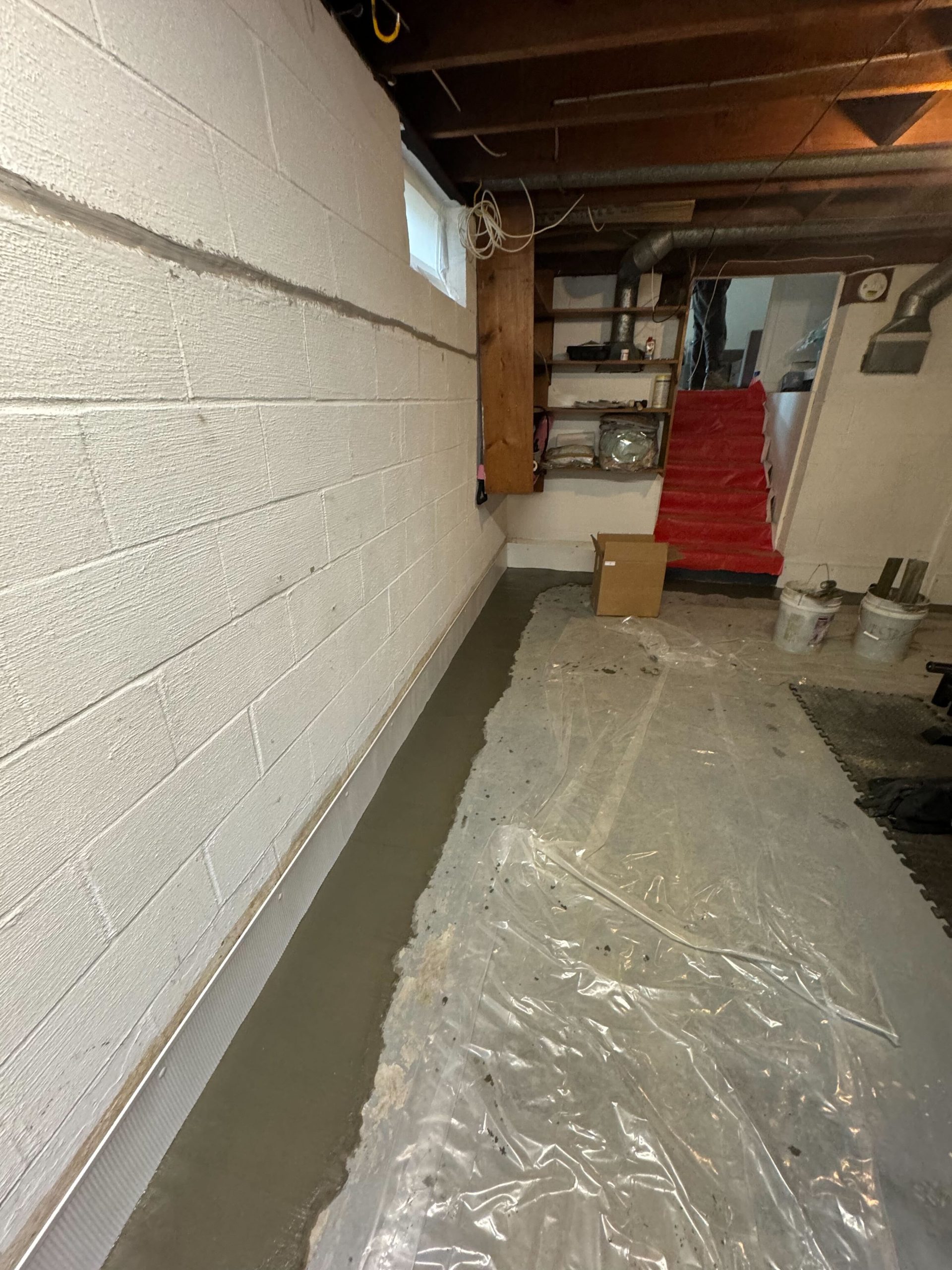
 So you’re considering finishing your basement to maximize your living space? That’s a smart move. However, don’t overlook the critical first step: waterproofing. Without it, you risk encountering moisture issues that can lead to costly structural damage and health hazards like mold. Wondering how to effectively waterproof your basement before you begin the finishing process? Stay tuned for practical tips and expert insights that will help you make the most of your basement renovation project.
Essential Waterproofing Takeaways for Homeowners Planning RenovationsKey Takeaways
- Waterproofing before finishing a basement protects the structural integrity and prevents subsequent water damage.
- Waterproofing safeguards your investment and maintains your property value, making it crucial before completing a basement.
- Ignoring waterproofing can lead to mold growth, posing health risks and potentially damaging your finished basement.
- Consider professional waterproofing services for superior materials and expertise, ensuring a solid foundation for your finished basement.
- Regular maintenance post-waterproofing, including inspections and proper drainage, ensures the longevity of your finished basement.
Understanding Basement Waterproofing
Delving into basement waterproofing, it’s crucial to comprehend the importance of this process. Essentially, it’s a method that prevents water from entering your home’s lower level, which can be detrimental to the structure and safety of your living space.
It’s all about safeguarding your investment, your property, and your family’s well-being.
Understanding this process begins with recognizing the primary sources of basement water intrusion. These include rain or groundwater seepage, interior moisture sources, and condensation. You should be aware of these factors and consider them when planning your waterproofing strategy.
There are several basement waterproofing techniques, such as interior water drainage, exterior waterproofing, and the use of waterproofing sealants. Each method has its pros and cons, and the best one for you depends on your specific situation.
Interior water drainage involves installing a drainage system inside your basement to remove water that enters the building.
Exterior waterproofing, on the other hand, prevents water from making its way into your basement in the first place.
Sealants are an additional measure to keep your basement dry.
Importance of Waterproofing Before Finishing
Before you start finishing your basement, it’s critical to consider waterproofing.
If you neglect this step, you’re risking potential water damage that could be costly to repair.
Let’s discuss the importance of waterproofing, explore its benefits, and look at some of the most effective techniques you can use.
Preventing Basement Water Damage
Countless homeowners face the problem of basement water damage, a costly and frustrating issue. Before you begin the exciting journey of basement finishing, it’s crucial you take preventative measures to protect your investment.
Even the smallest amount of water intrusion can wreak havoc on your freshly finished basement. Water damage can lead to structural instability, mold growth, and unhealthy indoor air quality. Not only can these issues impose significant costs, but they can also pose severe health risks.
The presence of mold spores, for example, can cause allergy symptoms and respiratory problems among occupants. Therefore, ensuring your basement is waterproofed before finishing isn’t just a matter of protecting your investment, but also of ensuring a healthy living environment.
Waterproofing your basement doesn’t just prevent water damage, it also safeguards the air quality and structural integrity of your home. You’ll find that the costs of waterproofing are far less than the potential costs of water damage repair, mold remediation, and health issues.
It’s a proactive step that you won’t regret. Remember, when it comes to basement finishing, it’s better to be safe than sorry. Waterproof now, and enjoy the benefits for years to come.
Waterproofing Benefits and Techniques
Investing in waterproofing before finishing your basement brings numerous benefits and employs a variety of techniques. It not only safeguards your property from potential water damage, but also ensures the longevity of your basement’s structural integrity.
One key benefit is the prevention of mold and mildew growth. These can trigger health issues like allergies and asthma, so it’s crucial to nip the problem in the bud.
Waterproofing also helps protect your investment. It’s heartbreaking to see a beautifully finished basement ruined by water damage. So, it’s best to get the waterproofing done first.
There are several effective waterproofing techniques you can choose from. Interior water drainage is a popular choice as it captures water that seeps into your basement and redirects it away.
Another method is exterior waterproofing, which blocks water from entering your basement walls.
Sealing is also essential in waterproofing. It involves the application of a sealant to the basement walls and floor, creating a water-resistant barrier.
Potential Dangers of a Non-Waterproofed Basement
Ignoring the need for basement waterproofing can lead to several daunting problems in the long run. It’s not just about the inconvenience of a damp basement; there are potential health hazards and structural issues to consider.
Firstly, a non-waterproofed basement is an ideal breeding ground for mold and mildew. These fungi thrive in damp, dark environments and can cause health issues like allergies, asthma, and other respiratory problems. You mightn’t notice the growth until it’s widespread, as mold often grows behind walls and under floors.
The moisture can also cause significant damage to your home’s structure, weakening the foundation and causing cracks. Over time, these cracks can grow larger, leading to serious structural issues. They’re not just an eyesore; they can compromise the safety of your home.
Additionally, water can damage your belongings stored in the basement. It can ruin fabrics, furniture, and electronics, leading to costly replacements. Not to mention, a wet basement is unattractive and reduces the overall value of your home.
In short, a non-waterproofed basement isn’t merely an inconvenience. It’s a ticking time bomb of potential issues that can harm your health, damage your home, and empty your wallet.
Steps to Waterproof Your Basement
Having understood the potential dangers of a non-waterproofed basement, it’s clear why taking steps to waterproof your basement stands as a wise decision.
The first step is to identify and fix any existing leaks. You’ll need to closely inspect your basement for signs of water damage, such as wet spots, peeling paint or mold. If you find any leaks, it’s crucial to repair them immediately to prevent further damage.
Next, it’s time for a thorough cleaning. Remove any debris and dust from the walls and floors. This will help the waterproofing sealant adhere to the surfaces more effectively.
The third step involves applying a waterproofing sealant. You’ll need to apply this evenly to the walls and floor of your basement. It’s vital to choose a high-quality product that’s designed to withstand the type of moisture levels typical in basements.
Lastly, consider installing a sump pump if you’re in an area prone to heavy rainfall or flooding. This will help remove any water that does manage to get into your basement.
Professional Versus DIY Waterproofing
When considering how to waterproof your basement, you’re faced with a choice: hire a professional or tackle it yourself.
To make an informed decision, it’s vital to evaluate the benefits of professional services against the considerations of a DIY approach.
In the following sections, we’ll explore these aspects in detail to help you decide which option is best for your situation.
Evaluating Professional Services
While you may be tempted to save a few bucks by waterproofing your basement yourself, it’s crucial to evaluate the potential benefits of hiring professional services.
Professional waterproofing companies bring years of experience and specialized knowledge to the table. They’re well-versed in identifying potential issues you might overlook, such as hidden water damage, cracks in the foundation, or mold growth.
Additionally, pros use industrial-grade equipment and materials that typically outperform DIY solutions. They handle everything from the initial inspection to the application of waterproofing treatments. Furthermore, their work often comes with warranties, providing you a safety net in case of future issues.
Bear in mind, though, not all services are created equal. It’s essential to vet potential contractors thoroughly. Check their credentials, ask for references, and research their reputation online.
Be wary of companies that offer quick fixes or extremely low quotes – quality waterproofing is a meticulous process and isn’t cheap.
DIY Waterproofing Considerations
You might find yourself weighing the pros and cons of a do-it-yourself approach to waterproofing, especially after considering the cost of professional services. If you’re handy and enjoy home improvement projects, DIY waterproofing could be a viable option for you. However, it’s important to understand that waterproofing a basement is a complex task that requires a certain level of skill and knowledge.
Here’s a quick comparison to help you decide:
| DIY Waterproofing | Professional Waterproofing |
|---|---|
| Lower cost upfront | Can be expensive |
| Time-consuming | Saves time |
| Risk of mistakes | Guaranteed results |
| Learning experience | Peace of mind |
DIY waterproofing can save you money, but it’s time-consuming and there’s a risk of errors. On the other hand, hiring professionals can be pricey, but it saves time and guarantees results. It’s about what’s more important to you.
Materials Needed for Basement Waterproofing
Before embarking on your basement waterproofing project, it’s essential to gather the right materials. The most critical items include a high-quality waterproofing sealant, a paint roller or brush, and a concrete cleaner.
Waterproofing sealant is the backbone of your project. It’s designed to create a barrier that prevents water from seeping into your basement. Opt for a sealant specifically designed for basement applications for best results.
A paint roller or brush is used to apply the waterproofing sealant. Choose a roller for larger areas because it can cover a bigger surface area quickly. For smaller, detailed work, a brush is more suitable.
Concrete cleaner is another necessity. It’s used to prepare the surface of your basement walls before applying the sealant. By effectively cleaning the concrete, you’re ensuring a better bond between the sealant and the basement wall.
Additionally, depending on the condition of your basement, you may need a dehumidifier to control moisture levels and a sump pump if you’re dealing with water accumulation.
These are just the basics, so remember to consider your unique situation when gathering materials. With the right tools, your waterproofing project will be a success.
Common Mistakes in Basement Waterproofing
Having the right tools and materials for basement waterproofing is a great starting point.
However, even with the best resources at your disposal, mistakes can happen if you’re not careful. Here are some common errors you should avoid:
- Neglecting to prepare the surface: Waterproofing products can’t adhere properly to dirty or uneven surfaces. Always clean and smooth your basement walls and floor before starting.
- Ignoring small cracks: You might think tiny fissures aren’t a big deal, but they can lead to major leaks over time. Fill in any cracks you find with a quality sealant.
- Failing to apply enough coats: One layer of waterproofing material is rarely enough. Apply multiple coats to ensure a thorough, durable seal.
- Skipping the water test: After waterproofing, it’s essential to check for leaks. You don’t want to discover a missed spot after you’ve already finished your basement.
Maintenance Tips for a Waterproofed Basement
Ensuring the longevity of your waterproofed basement involves a few key maintenance steps.
First, you should regularly inspect your basement for any signs of moisture. This includes checking for dampness, signs of mold or mildew, and any pooling water. If you find any, it’s essential to act quickly to prevent further damage.
Second, maintain your sump pump properly. Regularly test it to ensure it’s working and able to handle a significant amount of water. This is especially important before a heavy rainfall or melting snow.
Third, clean your gutters and downspouts regularly. They play a crucial role in directing water away from your home’s foundation. If they’re clogged or damaged, they can’t do their job properly, possibly leading to basement water damage.
Fourth, keep an eye on the surrounding landscape. It should slope away from your home to encourage water to flow away from your foundation. If it doesn’t, consider regrading your yard or installing a French drain.
Lastly, it’s wise to have a professional inspect your basement periodically. They’ll be able to spot potential issues you might’ve missed, ensuring your basement remains dry and your investment is protected.
Case Studies: Successful Basement Waterproofing
Now, let’s take a look at some real-world examples of successful basement waterproofing. Understanding these case studies can help you appreciate the importance of effective waterproofing and the benefits it brings.
One homeowner in Michigan had persistent issues with basement flooding. After installing an interior drain system and sump pump, he’s had a dry basement for over five years, even during heavy rainstorms.
In another case, a Boston homeowner was dealing with mold growth due to excess moisture. Post waterproofing, not only was the mold issue solved, but the damp, musty odors were also eliminated.
Here are some key takeaways from these cases:
- Waterproofing can effectively solve persistent flooding issues.
- Installation of a sump pump and interior drain system can keep your basement dry.
- Waterproofing can eliminate mold growth caused by moisture.
- A dry, waterproofed basement can also get rid of unpleasant odors.
Basement waterproofing isn’t just about avoiding water damage; it’s about creating a healthier, more comfortable living environment.
Frequently Asked Questions
Can I Live in My Home During the Basement Waterproofing Process?
Yes, you can live in your home during the basement waterproofing process.
It’s not necessary to move out. However, you’ll encounter some noise and dust.
You’ll want to keep kids and pets away from the work area.
Make sure to cover any items in the basement that you don’t want dust to settle on.
It’s a small inconvenience, but it’s worth it to ensure your basement is properly waterproofed.
Whats the Average Timeline for a Basement Waterproofing Project?
You’re wondering about the average timeline for a basement waterproofing project.
It’s not a one-size-fits-all answer since it depends on your basement’s condition and the extent of waterproofing needed.
Typically, it could take 1-3 days for minor jobs and a couple of weeks for comprehensive projects.
Does Home Insurance Typically Cover Basement Waterproofing?
Typically, home insurance doesn’t cover basement waterproofing.
It’s usually considered a preventive maintenance task, which is your responsibility as a homeowner.
However, if water damage occurs due to a covered peril like a burst pipe, your policy may cover repairs.
It’s always best to review your policy or speak with your insurance agent to understand what’s covered.
How Does Weather Affect the Basement Waterproofing Process?
Weather can significantly impact your basement waterproofing process.
If it’s raining or has recently rained, the ground may be too saturated for effective waterproofing. Cold weather can also cause materials to freeze or harden, making them less effective.
Conversely, hot, dry conditions might cause materials to dry too quickly.
It’s best to waterproof your basement under dry, mild conditions to ensure the process is done correctly and effectively.
Are There Eco-Friendly Options for Basement Waterproofing Materials?
Absolutely, there are eco-friendly options for basement waterproofing.
You’ll find products like crystalline waterproofing, which allows concrete to self-seal hairline cracks over time.
There’s also sodium bentonite clay, a natural material that swells when it’s wet, creating a barrier against water.
It’s essential to research products, though, because not all ‘green’ labels are genuine.
It’s your responsibility to choose materials that won’t harm the environment.
Conclusion
So, before you dive into basement finishing, ensure it’s waterproofed first. Remember, neglecting this crucial step can lead to costly damage and health hazards. From interior drainage systems to sealants and sump pumps, there’s a lot to consider. Whether you decide to DIY or hire a professional, it’s essential to get it right. With proper waterproofing, your finished basement will be a safe, comfortable space that adds value and livability to your home.

Ohio State Waterproofing has provided quality service with over 90,000 successful waterproofing and foundation repair installations and satisfied customers since our inception in 1978.
Ohio State Waterproofing’s philosophy for success is to provide honest, courteous and guaranteed service to every customer. Our reputation reflects this. Our well-trained waterproofing technicians are dedicated to complete customer satisfaction. This is achieved through fast, efficient processes as well as teamwork throughout this organization. You will always find a friendly representative willing to meet your needs at Ohio State Waterproofing.
We are a full service company that handles problems ranging from patching cracks to rebuilding basements. In addition, we hold three patents related to waterproofing that make us unique in the industry. These patents and our experience allow us to be able to do what every other waterproofer can do, but no one else can do what we do.
We are actively involved in the industry and community, including the National Association of Waterproofing Contractors, BHA, NARI, NAHB, NHIA, the BIA, the FHA and a number of consumer advocacy groups, as well as playing leading roles in a number of charitable functions.
But, most importantly, our highest degree of praise comes from the thousands of referrals we get from satisfied customers. Together they’ve made us a leader in the basement waterproofing and foundation repair industry.

