
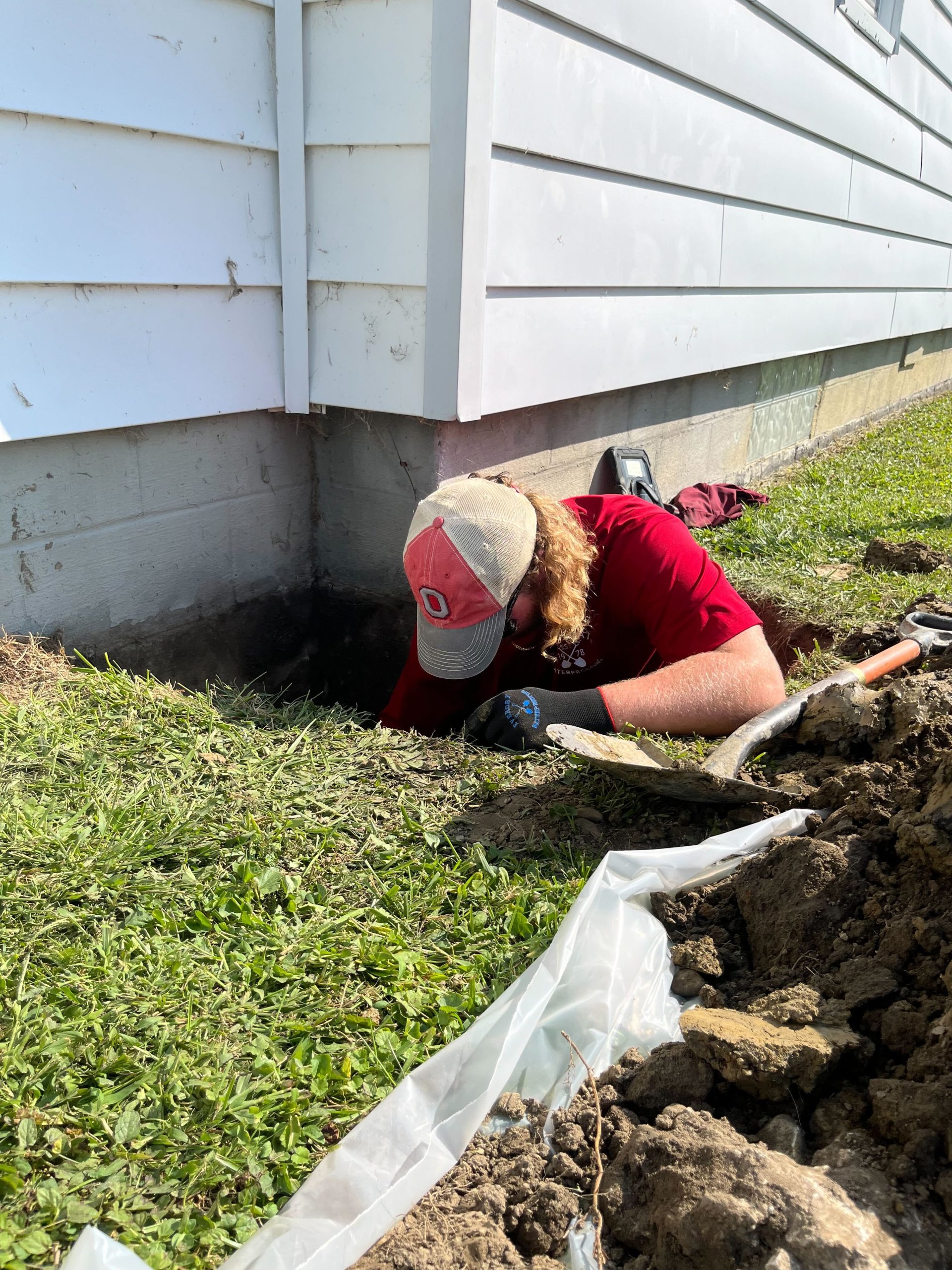
 You’ve likely considered the importance of primary waterproofing in safeguarding your property against water damage. But have you given thought to a backup system? It’s an added layer of protection that kicks in when your primary defenses fail. Consider this – an unexpected flood, a sudden pipe burst, or even a tiny unnoticed leak. Your primary system might be overwhelmed, but a backup won’t be. It’s more than just an insurance policy, it’s a safeguard for your property’s longevity. Curious to know more about this? Let’s explore the ins and outs of backup waterproofing systems together.
The Importance of Backup Waterproofing Systems for Your HomeKey Takeaways
- Backup waterproofing systems act as a safety net when primary systems fail, offering a second line of defense against water damage.
- Types of backup systems include interior water drainage, exterior drainage, crack injection, sump pump, and French drain systems.
- These systems offer long-term protection, increasing property longevity and reducing future repair costs.
- Regular maintenance and professional inspections are crucial to ensure the system’s optimal performance and avoid potential issues.
- For complex problems, professional assistance is recommended for expert diagnosis and repair, ensuring the backup waterproofing system’s effectiveness.
The Importance of Backup Waterproofing
Undeniably, backup waterproofing systems are crucial components in any construction project. They’re your second line of defense, stepping in when your primary waterproofing measures falter. You might think of them as a part of your emergency preparedness plan, ready to prevent costly water damage and keep your construction project on track.
The advancement in waterproofing technologies has made it possible to create efficient and reliable backup systems. These systems aren’t just about applying an extra layer of waterproofing material. They involve a comprehensive approach that includes proper drainage systems, sealants, and high-performance membranes.
Consider this: even the best primary waterproofing system can fail. It’s not a question of if, but when. And when that happens, you don’t want to be caught off guard.
That’s where your backup system comes in. It’s your insurance policy, your peace of mind, your guarantee that you’ve got everything covered.
Understanding Water Damage Risks
To grasp the full importance of backup waterproofing, you need to understand the risks associated with water damage. It’s not just about the immediate damage water can cause to your property, it’s also about the long-term effects.
Water damage can lead to structural instability, mold growth, and poor air quality, not to mention the financial burden of repairs.
- Structural Instability: Excessive water can weaken your building’s foundation, causing cracks and even collapses. This isn’t just a cosmetic issue—it’s a serious safety concern.
- Mold Growth: Damp conditions are perfect for mold growth. Once mold takes hold, it’s hard to eradicate, leading to potential health issues like allergies and respiratory problems.
- Poor Air Quality: Water damage can also contribute to poor indoor air quality. Dampness encourages the growth of bacteria, mites, and other harmful organisms.
Understanding these risks is the first step in developing effective prevention strategies. By knowing what you’re up against, you can make informed decisions about backup waterproofing systems.
They aren’t just for when primary systems fail, they’re an extra layer of protection against the serious risks of water damage.
Primary Vs Backup Waterproofing Systems
Having comprehended the potential risks of water damage, it’s now important to explore the role of primary and backup waterproofing systems in preventing such damage. Primary systems are your first line of defense, designed to block water entry into your property. However, no system is foolproof. That’s where the redundancy importance comes in, and backup systems take the stage.
A backup waterproofing system steps in when the primary system fails or is overwhelmed. It’s like an insurance policy, providing an extra layer of protection against water damage. Implementing both systems ensures your property remains dry and damage-free, even in extreme weather conditions.
Here’s a quick comparison of the two systems:
| Primary Systems | Backup Systems | |
|---|---|---|
| Purpose | Prevent water entry | Assist when primary fails |
| Redundancy Importance | N/A | High |
| Role | First line of defense | Second line of defense |
Types of Backup Waterproofing Systems
You might be wondering, what types of backup waterproofing systems are available? Well, there’s a wide array of options, each offering unique drainage solutions and requiring specific installation techniques.
- Interior Water Drainage Systems: These are installed inside your basement to collect water that seeps in. The water is then drained into a sump pump system and pushed out of your home.
They’re a cost-effective solution that doesn’t involve exterior excavation, but they must be properly maintained to prevent clogs.
- Exterior Drainage Systems: These are installed outside your home to prevent water from entering in the first place. They involve the installation of drain tiles or a French drain system to redirect water away from your house.
While they can be more expensive due to excavation, they’re often more effective in preventing water intrusion.
- Crack Injection Systems: These are used to seal leaks in your basement walls or floor. Specialized materials are injected into the cracks to prevent water from seeping through.
They’re a good solution for minor leaks, but won’t handle major water issues.
Evaluating Your Home’s Waterproofing Needs
Dive into the process of evaluating your home’s waterproofing needs. It’s not as daunting as it seems, but you need to be thorough.
Begin with a visual inspection. Look for signs of water damage such as peeling paint, mold, or mildew. These signs indicate the presence of excessive moisture, a clear indication that your current waterproofing system isn’t up to par.
The next step is to conduct waterproofing assessments. These involve checking the foundation, walls, and basement for any cracks or leaks.
Don’t overlook your roof, gutters, and downspouts, as water often infiltrates from these areas. Also, consider the landscape around your home. If it slopes towards your home, it can lead to water pooling around the foundation, increasing the risk of seepage.
Lastly, use moisture detection tools for a more accurate analysis. These devices can help identify hidden damp spots behind walls or under floors.
This is crucial as hidden moisture can cause serious structural damage over time.
Benefits of Investing in Backup Systems
Consider the numerous advantages of investing in backup systems.
You’ll find that they not only provide enhanced protection for your property, but they’re also a cost-effective solution that reduces the maintenance hassle.
Let’s examine these benefits more closely and see how they can make your life easier and your home safer.
Enhanced Property Protection
Investing in a robust backup waterproofing system significantly enhances the protection of your property.
It’s not just about keeping your interiors dry, but also increasing your property’s resilience to water damage. A dependable backup system manages moisture effectively, safeguarding your property structures from potential hazards associated with prolonged exposure to moisture.
The benefits of investing in such systems are threefold:
- Property Resilience: A good backup waterproofing system increases the durability of your property. It prevents and mitigates damage caused by water infiltration, ensuring that your property can withstand even the harshest weather conditions.
- Moisture Management: Effective moisture management is crucial to maintaining the structural integrity of your property. It helps keep your interiors dry, preventing the growth of mold and mildew that can lead to health issues and structural damage.
- Long-Term Protection: With a backup waterproofing system, you’re not just protecting your property today, but also securing its longevity. It’s an investment that pays off in the long run by keeping your property in prime condition.
Cost-Effective Solution
While the upfront cost of a backup waterproofing system may seem substantial, it’s important to view this as a long-term, cost-effective solution. Budget considerations shouldn’t be solely focused on the initial outlay. You need to regard this investment as a safeguard against potentially costly future repairs.
Think of it this way; you’re not just buying a system; you’re buying peace of mind.
The financial benefits of a backup waterproofing system become more apparent when you consider the long-term savings. These systems are designed to last, reducing the likelihood of sudden, unexpected costs down the line. Yes, you’ll be spending now, but you’ll be saving a lot more in the future.
By investing in a reliable backup system, you’re essentially protecting your budget from the unpredictable expenses associated with water damage.
Moreover, insurance companies often provide discounts for homes equipped with such preventative measures. Therefore, not only are you reducing potential out-of-pocket expenses for repairs, but you may also see a decrease in your annual home insurance premiums.
While every situation varies, it’s clear that a backup waterproofing system isn’t just an expense—it’s a strategic, cost-effective solution for the long term.
Reduced Maintenance Hassle
Imagine the relief of knowing that your property’s waterproofing system requires minimal maintenance. With a backup system in place, you’re not just ensuring an extra layer of protection but also significantly reducing the maintenance hassle.
- Proactive Prevention: Backup systems act as preventive measures. They diminish the chances of water damage, lowering the frequency of maintenance. That’s less time and money spent on upkeep, and more peace of mind for you.
- Simplified Maintenance Strategies: A backup system simplifies your maintenance strategies. Instead of dealing with complicated procedures, you’ll have a straightforward, easy-to-manage plan. This simplicity also reduces the risk of overlooking key maintenance tasks.
- Long-term Durability: Quality backup systems are designed to last. They’re robust, resisting wear and tear, which means fewer replacements and repairs.
Investing in a backup waterproofing system doesn’t just protect your property from water damage. It also makes your life easier by lessening the maintenance burden.
Just think about it: fewer repair calls, less time spent on routine checks, and more time for what truly matters. That’s the beauty of reduced maintenance hassle, one of the many benefits of backup systems.
Professional Installation of Waterproofing Systems
Confidence in your home’s integrity is an invaluable commodity. This confidence is significantly boosted when you choose professional installation of your backup waterproofing systems. It’s not just about having the job done; it’s about having it done right, and that’s where professional expertise comes into play.
Professional installers bring a wealth of knowledge and experience to your project. They’re familiar with the latest installation techniques, ensuring your waterproofing system is applied correctly to offer maximum protection.
Professionals understand the importance of precision, and they’re equipped with the tools and skills to guarantee that precision. They’ve seen it all, and they know how to prevent potential issues before they become big problems.
You wouldn’t trust a novice to handle your home’s plumbing or electrical work, so why consider it for your home’s waterproofing? The stakes are simply too high. A poorly installed waterproofing system can lead to water damage, mold growth, and structural instability.
In a nutshell, when it comes to protecting your home from the devastating effects of water damage, don’t settle for anything less than the best. Invest in professional installation of your waterproofing system and enjoy peace of mind.
Maintaining Your Backup Waterproofing System
Proper maintenance of your backup waterproofing system is just as essential as its professional installation.
It’s not enough to have a high-quality system in place — you must also commit to consistent backup system maintenance to ensure its longevity and efficiency.
Regular waterproofing inspections are crucial for identifying and addressing potential issues early on.
Watch for signs of moisture penetration, such as dampness, mold, or mildew, and address them immediately.
Don’t let small problems escalate into costly repairs or replacements.
Here are three key steps you should consider for maintaining your backup waterproofing system:
- Regular Inspections: Conduct thorough inspections at least once a year. Look for signs of wear and tear, damage, or reduced functionality.
- Clean and Clear Drains: Ensure drains are clear of debris that might cause blockages and lead to water build-up.
- Seek Professional Help: If there’s a significant issue, don’t hesitate to hire a professional. They’ve the necessary knowledge and equipment to properly diagnose and fix your system.
With regular maintenance, your backup waterproofing system will provide reliable protection for your property for many years.
Frequently Asked Questions
What Are the Costs Associated With Installing Backup Waterproofing Systems?
The costs of installing backup waterproofing systems can vary greatly. It depends on several installation factors like the size of your property, system type, and labor charges.
Additionally, you’ll need to consider maintenance requirements. Regular checks and occasional repairs aren’t cheap. You’ll have to factor in these costs over the system’s lifespan.
However, it’s a wise investment that’ll save you from expensive water damage in the long run.
Can I Install a Backup Waterproofing System Myself?
Yes, you can tackle a DIY installation of a waterproofing system. However, it’s crucial to understand waterproofing techniques thoroughly.
If incorrectly installed, it may not provide the needed protection, leading to potential damage. While it’s possible to do it yourself to save costs, hiring a professional ensures a high-quality, effective setup.
Therefore, weigh your skills, the project’s complexity, and potential risks before deciding. Remember, sometimes hiring a professional can save money in the long run.
How Long Does a Backup Waterproofing System Typically Last?
The longevity of your system largely depends on the quality of installation and regular maintenance.
Typically, a well-installed and maintained backup waterproofing system can last up to 10 years.
However, it’s essential to regularly check for any signs of wear or damage and address them promptly.
Regular maintenance won’t only increase its lifespan but also ensure its optimum performance.
Are There Specific Brands of Backup Waterproofing Systems That Are Recommended?
Yes, when considering brand comparisons for system effectiveness, it’s recommended you look at brands like Delta, Drylok, and AquaProof.
These brands are known for their high-quality products. Delta provides excellent moisture barriers, Drylok offers great sealants, and AquaProof is renowned for its overall system effectiveness.
However, it’s essential you assess your specific needs and consult with a professional before deciding.
Does Homeowners Insurance Typically Cover Damage if a Backup Waterproofing System Fails?
Typically, your homeowners insurance may not cover damage if a backup waterproofing system fails.
It’s crucial to review your policy’s details. Some insurance providers view waterproofing claims as maintenance issues, which they don’t cover.
You’d be wise to consult with your insurance agent to understand what’s covered. Consider adding specific coverage for this if it’s not included.
Conclusion
So, you’ve got the rundown on backup waterproofing. It’s not just a smart move, it’s an investment in your property’s longevity. Not only can it stave off water damage and costly repairs, but it also enhances your home’s resilience against moisture infiltration. Don’t wait for the primary system to fail. Get a professional to evaluate your needs and install the right system. And remember, regular maintenance is key to keeping your backup waterproofing system in top shape.

Ohio State Waterproofing has provided quality service with over 90,000 successful waterproofing and foundation repair installations and satisfied customers since our inception in 1978.
Ohio State Waterproofing’s philosophy for success is to provide honest, courteous and guaranteed service to every customer. Our reputation reflects this. Our well-trained waterproofing technicians are dedicated to complete customer satisfaction. This is achieved through fast, efficient processes as well as teamwork throughout this organization. You will always find a friendly representative willing to meet your needs at Ohio State Waterproofing.
We are a full service company that handles problems ranging from patching cracks to rebuilding basements. In addition, we hold three patents related to waterproofing that make us unique in the industry. These patents and our experience allow us to be able to do what every other waterproofer can do, but no one else can do what we do.
We are actively involved in the industry and community, including the National Association of Waterproofing Contractors, BHA, NARI, NAHB, NHIA, the BIA, the FHA and a number of consumer advocacy groups, as well as playing leading roles in a number of charitable functions.
But, most importantly, our highest degree of praise comes from the thousands of referrals we get from satisfied customers. Together they’ve made us a leader in the basement waterproofing and foundation repair industry.
