
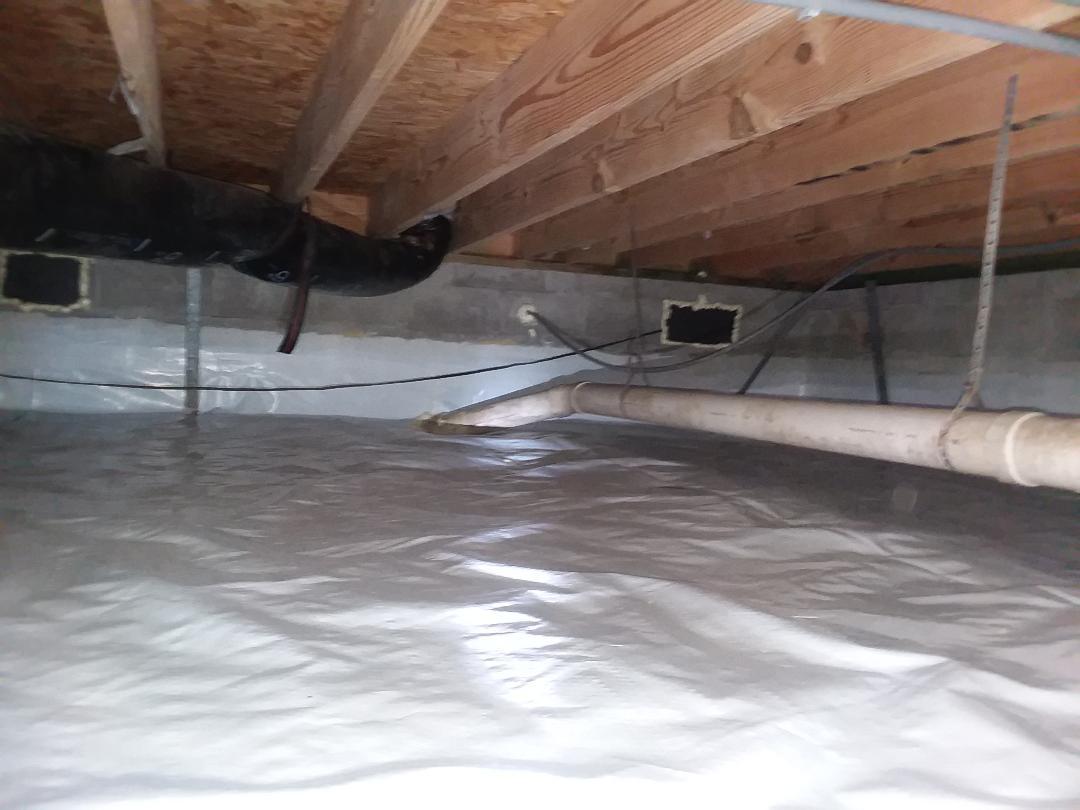
 You’ve probably heard about vapor barriers in the context of basement waterproofing – but just how critical are they? They’re designed to keep moisture out, reducing the risk of mold growth and structural damage. Yet, there’s still debate on their necessity. Some experts claim they’re an integral part of a healthy home, while others suggest they might not always be necessary. This raises an interesting question about your home’s maintenance: Are vapor barriers truly essential in basement waterproofing, or are there other equally effective alternatives worth considering? Let’s explore this further.
Vapor Barriers: Key Benefits and Installation Considerations
- Vapor barriers are critical in basement waterproofing, serving as a moisture control component.
- These barriers block moisture from penetrating basement walls, floors, and ceilings.
- They create a healthier basement environment by preventing mold and mildew growth.
- Improper installation can trap moisture, causing potential structural damage.
- Vapor barriers are a small investment that yields significant benefits for home health.
Understanding Basement Waterproofing
Diving into the world of basement waterproofing, you’ll find it’s more than just stopping water from entering your home. It’s about maintaining the integrity of your home’s foundation and controlling moisture levels.
So, why is moisture control so essential? Well, unwanted moisture can lead to many problems for your home. It can cause mold growth, damage your possessions, and even threaten your home’s structural integrity. By controlling moisture, you’re preventing these issues from occurring.
Foundation integrity is equally important. Your foundation is the backbone of your home, and if it’s compromised, it can lead to significant issues, including structural instability. Waterproofing protects your foundation from water damage and maintains its strength and stability.
Remember, basement waterproofing isn’t just about keeping the water out; it’s about preserving your home’s overall health. It’s a preventative measure that stops potential issues before they become big, costly problems.
So, don’t underestimate the importance of a well-waterproofed basement. It’s an investment in your home’s future and a key step towards maintaining a safe and comfortable living environment.
In the next section, we’ll discuss the role of vapor barriers in basement waterproofing. Stay tuned!
The Role of Vapor Barriers
In the domain of basement waterproofing, vapor barriers play an essential role. They’re your best bet when it comes to moisture control, helping to prevent dampness from seeping into your basement. It’s like an invisible shield, blocking moisture from penetrating your walls, floors, and ceilings.
But that’s not all. Vapor barriers do more than just keep your basement dry. They also contribute to the air quality in your home. By keeping moisture at bay, they prevent the growth of mold and mildew, which are known to cause health problems. This means you’re not just protecting your basement, you’re also safeguarding your health and that of your family’s.
Now, you may be wondering, “Is a vapor barrier really necessary?rdquo; The answer is yes. Without it, you’re leaving your basement vulnerable to the damaging effects of moisture.
It’s a small investment that pays off big time in keeping your basement dry and your home healthy.
Different Types of Vapor Barriers
When it comes to vapor barriers, there are several types you can choose from. The most common options include polyethylene sheets, kraft paper, and aluminum foil. The choice largely depends on your specific needs and the level of moisture control required.
Polyethylene sheets are often the go-to choice for many homeowners. They’re relatively inexpensive, easy to install, and provide a high level of moisture control. This makes them ideal for use in damp basements.
These sheets are available in varying thicknesses, typically between 6 and 10 mils, with the thicker options offering better moisture resistance.
Kraft paper, on the other hand, is commonly found in batt insulation. It serves as a moderate vapor barrier and is best used in areas with lower moisture levels.
Aluminum foil is another option. It’s highly effective against moisture due to its non-permeable nature.
It’s often used in combination with other materials, like foam board insulation, to enhance its protective qualities.
Installing Vapor Barriers: A Step-by-Step Guide
Before you can reap the benefits of a vapor barrier, you’ll need to install it correctly. The process may seem intimidating, but with a little preparation and the right tools, you’ll have no trouble mastering vapor barrier installation.
First, you’ll need to clean your basement walls. Any dust or debris can affect the adhesive, compromising the barrier’s effectiveness. Once your walls are clean and dry, it’s time to measure. You’ll want to cut your barrier to fit each wall, leaving a bit of overhang at the top and bottom for sealing purposes.
Next, apply your adhesive to the wall. Start at the top and work your way down, smoothing the barrier against the wall as you go. This step is essential for moisture control, as any gaps or bubbles can allow moisture in.
Pros and Cons of Vapor Barriers
Often, you’ll find that vapor barriers are a popular choice for basement waterproofing, but they’re not without their advantages and disadvantages.
Let’s start with the vapor barrier benefits. They’re excellent at preventing moisture from seeping into your basement, which can be a real game-changer if you’re dealing with damp issues. Furthermore, they can also reduce the risk of mold and mildew growth, thereby making your basement safer and healthier.
However, vapor barriers aren’t perfect and come with their own set of drawbacks. One of the main vapor barrier drawbacks is the installation process. It’s not easy and usually requires professional help. This can greatly increase the cost of your basement waterproofing project.
Plus, if not installed properly, vapor barriers can trap moisture in your walls, causing structural damage over time.
Frequently Asked Questions
What Is the Average Cost to Install a Vapor Barrier in the Basement?
You’re probably wondering about the cost to install a vapor barrier in your basement.
It largely depends on the type of vapor barrier materials you select and the installation techniques used. On average, you’re looking at a range of $0.50 to $2.00 per square foot.
However, costs can vary based on factors like your basement’s size and condition, so it’s best to get a detailed quote from a professional.
Are There Alternatives to Traditional Vapor Barriers for Basement Waterproofing?
Yes, there are alternatives to traditional vapor barriers for basement waterproofing.
You could consider paints and sealants specifically designed for moisture management. These products, when applied correctly, can provide a similar level of protection.
Another option is to use insulation with a built-in vapor barrier.
However, while these alternatives might work, they’re not always as effective as a dedicated vapor barrier.
Always evaluate your specific needs and consult with a professional.
How Often Should I Inspect My Basements Vapor Barrier?
You should inspect your basement’s vapor barrier regularly.
It’s an essential part of maintaining your home’s health. Ideally, you’d check the vapor barrier materials every 3-6 months.
Look for signs of damage or wear, such as holes or tears. If you’re in a damp climate, you might need to check more often.
Regular inspections guarantee your barrier’s doing its job and keeping moisture out.
It’s not a huge task, but it’s important for your basement’s longevity.
Does the Installation of a Vapor Barrier Increase the Value of My Home?
Yes, installing a vapor barrier can increase your home’s value.
The benefits of a vapor barrier in your basement are significant. It prevents moisture problems, which can lead to serious structural damage.
By keeping your basement dry, you’re protecting your home’s foundation, making it more appealing to potential buyers.
Consequently, it’s an investment that can potentially lead to a higher resale value.
It’s a smart move for your home’s longevity and your wallet.
Can I Install a Vapor Barrier to an Already Finished Basement?
Yes, you can install a vapor barrier in an already finished basement.
However, it’s not a straightforward task. You’ll have to take into account certain factors, such as the existing insulation and wall materials.
It’s recommended to consult with a professional about your specific situation. They can evaluate your basement and guide you through the vapor barrier installation process, ensuring it’s appropriately fitted to prevent moisture issues.
Conclusion
So, you see, incorporating vapor barriers in your basement waterproofing plan is a smart move. They block moisture, prevent mold growth, and protect your home’s foundation. With different types available, you can find one that fits your needs. Though the installation may be a bit tricky, the benefits far outweigh the challenges. Remember, a quality vapor barrier is an investment towards a healthier home environment. Don’t skimp on it!

Ohio State Waterproofing has provided quality service with over 90,000 successful waterproofing and foundation repair installations and satisfied customers since our inception in 1978.
Ohio State Waterproofing’s philosophy for success is to provide honest, courteous and guaranteed service to every customer. Our reputation reflects this. Our well-trained waterproofing technicians are dedicated to complete customer satisfaction. This is achieved through fast, efficient processes as well as teamwork throughout this organization. You will always find a friendly representative willing to meet your needs at Ohio State Waterproofing.
We are a full service company that handles problems ranging from patching cracks to rebuilding basements. In addition, we hold three patents related to waterproofing that make us unique in the industry. These patents and our experience allow us to be able to do what every other waterproofer can do, but no one else can do what we do.
We are actively involved in the industry and community, including the National Association of Waterproofing Contractors, BHA, NARI, NAHB, NHIA, the BIA, the FHA and a number of consumer advocacy groups, as well as playing leading roles in a number of charitable functions.
But, most importantly, our highest degree of praise comes from the thousands of referrals we get from satisfied customers. Together they’ve made us a leader in the basement waterproofing and foundation repair industry.

