
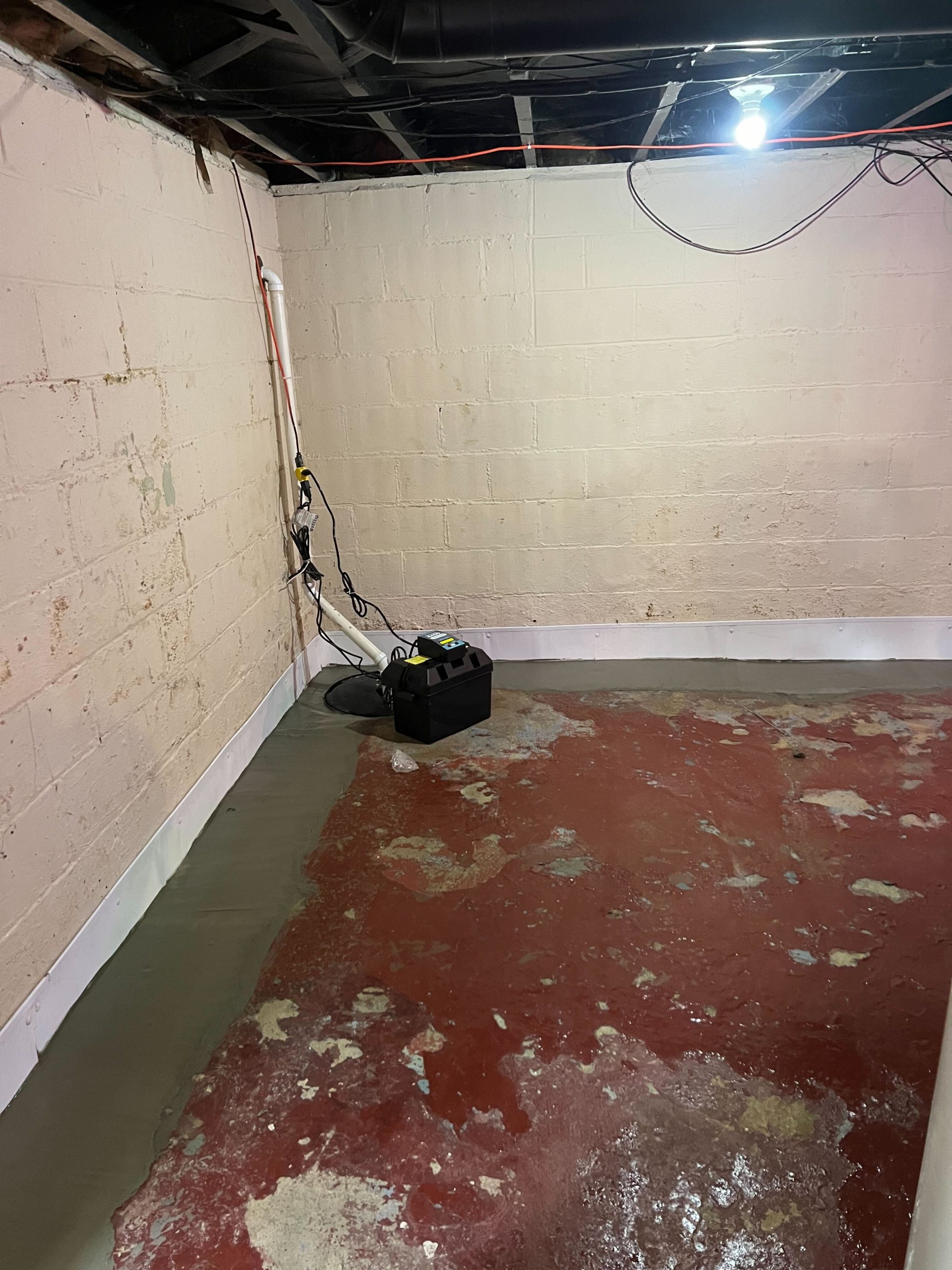
 Have you ever noticed a musty smell or damp spots in your basement? You’re not alone. Basement moisture is a common issue that can lead to serious structural damage if left unchecked. Thankfully, there are expert waterproofing techniques that can help you combat this hidden menace. From high-quality sealants to dehumidifiers, and even grading your yard properly, there are numerous strategies you can employ. Curious about how you can protect your home’s foundation and maintain a dry, healthy basement? Let’s explore these techniques in detail.
Essential Key Takeaways for Effective Basement Waterproofing SolutionsKey Takeaways
- Identify sources of basement moisture, such as condensation, water intrusion, poor sealing, high humidity, or internal moisture sources.
- Utilize essential waterproofing tools like dehumidifiers, sump pumps, concrete sealers, waterproofing paint, and various sealants for optimal protection.
- Implement DIY waterproofing by preparing the area, applying appropriate waterproofing materials, and seeking professional consultation when necessary.
- Hire professional waterproofing services for thorough inspections, expertise in methods, safe implementation, and warranties for long-term protection.
- Adopt preventive measures and maintenance, including yard grading, regular inspections, humidity control, immediate leak sealing, and routine maintenance.
Understanding Basement Moisture
Plagued by a damp or wet basement? You’re not alone. This issue is more common than you’d think, but understanding what’s happening is the first step to solving the problem.
Basement moisture can occur for various reasons, but it generally boils down to two main factors: condensation and water intrusion.
Condensation happens when moist, warm air comes in contact with cool basement surfaces, such as walls, floors, and other objects. This causes the moisture in the air to change from a gas to a liquid state, resulting in a damp or wet basement.
On the other hand, water intrusion can occur from both above and below ground. Above ground, rainwater or melting snow can enter your basement if it’s not properly sealed or if your home’s drainage systems aren’t functioning correctly.
Below ground, water can seep into your basement through cracks in the foundation or if the water table is high.
Understanding these factors is essential in combatting basement moisture. By recognizing the potential causes of a damp basement, you’re better equipped to find the right solution.
Identifying Common Moisture Sources
To effectively tackle the problem of basement moisture, you need to identify common sources contributing to the dampness. These sources often include condensation, runoff, and groundwater swelling.
Condensation occurs when warm, moist air comes into contact with cold basement walls or floors. The temperature difference makes the moisture in the air condense on these cool surfaces, leading to dampness.
You’ll notice this as wet spots on walls, floors, or even on items stored in your basement.
Runoff is another significant culprit. Rain or melting snow can seep into your basement if it’s not properly diverted away from your house. This usually happens due to poor landscaping or gutter system issues that allow water to pool around your home’s foundation.
Lastly, groundwater swelling, or a high water table, can lead to basement moisture. If your home is in an area with a high water table, it’s likely that water will infiltrate your basement, especially after heavy rains.
Essential Tools for Basement Waterproofing
As you tackle basement moisture, having the right tools for waterproofing is essential.
The selection of waterproofing equipment can make or break your efforts.
Knowing how to properly use sealants, in particular, plays a significant role in ensuring your basement is dry and stays that way.
Choosing Waterproofing Equipment
When it comes to addressing basement moisture, the equipment you choose for waterproofing plays a pivotal role. The right tools can make the difference between a dry, comfortable basement and a damp, mildew-infested space.
The first tool you’ll need is a good quality dehumidifier. This can help control the level of humidity in your basement, making it less hospitable for mold and mildew.
The second tool is a sump pump. This device helps to collect and remove water that has accumulated in your basement. It’s an essential tool for preventing water damage and maintaining a dry basement.
Third, you’ll need a high-quality concrete sealer. This will help to seal the pores in the concrete, preventing water from seeping through.
Finally, waterproofing paint is a great tool to have in your arsenal. This type of paint is specifically designed to resist water, making it a great option for protecting your basement walls.
Choosing the right tools can make your waterproofing project more effective and efficient. Don’t skimp on quality – your basement’s health and safety depend on it.
Utilizing Sealants Properly
Following your selection of high-quality waterproofing equipment, it’s time to turn your focus towards the appropriate utilization of sealants. These substances play a pivotal role in preventing moisture from invading your basement, and using them properly is key to a successful waterproofing job.
Start by choosing the right sealant. You have options such as concrete sealants, silicate sealants, and acrylic sealants. Each type has its own unique properties, so consider the specific needs of your basement before making a selection.
Don’t rush this process; careful consideration will guarantee you pick the most effective sealant for your situation.
Next, prepare the surface. Confirm it’s clean, dry, and free of any dust or debris. This allows the sealant to adhere properly and perform its function most effectively. Use a brush or vacuum to clean the area, and allow it to dry completely before application.
Finally, apply the sealant evenly, using a paintbrush or roller. Be thorough, ensuring you cover every inch of the surface.
Remember, a well-applied sealant can last for years, so take your time and do it right.
With these steps, you’re well on your way to a moisture-free basement.
DIY Waterproofing Techniques
Now, let’s move on to some hands-on strategies you can employ in the fight against basement moisture: DIY waterproofing techniques.
First, we’ll focus on how to identify the sources of moisture in your basement.
Then, we’ll guide you through the process of selecting the right waterproofing materials and how to implement these techniques effectively.
Identifying Basement Moisture Sources
Basement moisture, a common homeowner’s nightmare, can originate from various sources. It’s essential to identify these sources before implementing any waterproofing methods. Understanding the cause of the moisture will help you find the most effective way to combat it.
- Condensation: This is a common problem in basements. It occurs when moist, warm air comes into contact with cold basement walls, floors, and pipes.
- Rain or Groundwater: Poor drainage can lead to rain or groundwater seeping into your basement. This can happen during heavy rain or if the ground around your home isn’t properly sloped away from the foundation.
- Internal Sources: These include moisture from bathrooms, kitchens, and laundry rooms.
Even your breathing can add to the basement’s moisture level!
- Exterior Humidity: During humid weather, moisture can enter your basement through porous building materials or unsealed windows.
Selecting Waterproofing Materials
After pinpointing the source of your basement’s moisture problem, your next step should be choosing the right waterproofing materials. This selection process is critical, as the materials you choose will determine the effectiveness of your waterproofing efforts. Here’s what you need to know.
There are a variety of materials available, each with its own pros and cons. Sealants, for instance, are easy to apply and can be used to coat walls and floors, sealing off minor cracks and pores from water seepage.
They’re affordable, but mightn’t hold up well against heavy moisture over time.
Waterproof paints, on the other hand, can create an impermeable layer on your basement walls, preventing moisture absorption.
But remember, they’re not suitable for addressing major leaks or cracks.
For more significant moisture issues, consider using concrete waterproofers or plastic sheets and panels.
Concrete waterproofers penetrate into the concrete, blocking pathways for water, while plastic sheets and panels can be installed to create a physical barrier against moisture.
Your choice of material should match the severity of your moisture problem.
Always do your research or consult with a professional to verify you’re making an informed decision.
Implementing Waterproofing Techniques
Once you’ve selected the appropriate waterproofing materials for your basement situation, it’s time to put them to use. This stage involves implementing the chosen waterproofing techniques, a process that requires careful planning and meticulous execution.
Here’s a step-by-step guide to help you handle the job effectively:
- Prepare the Basement: Before starting, guarantee your basement is clean and free of any debris. This includes removing any old paint or sealant that could interfere with the new waterproofing materials.
- Apply the Waterproofing Material: Using a roller, brush, or sprayer, apply the chosen waterproofing product evenly across the surface. Always start from the bottom and work your way up to prevent creating pools of excess material.
- Inspect for Leaks: Once the first layer has dried, inspect for any leaks or weak spots. Apply additional layers as needed, ensuring each layer dries fully before applying the next.
- Finish and Maintain: After applying the final layer, allow it to dry completely. Conduct regular checks to guarantee the waterproofing remains effective and reapply as necessary.
Hiring Professional Waterproofing Services
If you’re feeling swamped by the persistent problem of basement moisture, it might be time to bring in the big guns. Hiring professional waterproofing services can be a smart move. These experts have the right tools, training, and techniques to effectively tackle your damp basement woes.
Waterproofing professionals offer complete solutions, not just quick fixes. They’ll first conduct a thorough inspection of your basement to identify the source and extent of the moisture problem.
They’ll then devise a customized strategy to address it, taking into account your home’s unique structural elements and your budget.
Don’t underestimate the value of their expertise. These pros understand the nuances of different waterproofing methods and can select the best one for your situation.
They also know how to safely and efficiently implement these techniques, minimizing disruptions to your daily life.
Finally, hiring professionals can save you money in the long run. DIY solutions may seem cheaper initially, but if done incorrectly, you’ll end up spending more on repairs and rework.
Plus, many waterproofing services offer warranties, giving you peace of mind.
Preventive Measures Against Moisture
Taking proactive steps can greatly reduce the risk of basement moisture.
Being proactive means you’re addressing an issue before it becomes a real problem, and moisture in the basement is no exception.
You’ll want to focus on key areas that contribute to basement dampness. You don’t have to be a professional to take these preventive measures.
Here are four steps you should consider:
- Properly Grade Your Yard: Make sure your yard slopes away from your home. This will direct rainwater and melting snow away from your foundation, reducing the chance of seepage.
- Install Gutters and Downspouts: These will help control the flow of water around your house. Direct downspouts away from your home to guarantee water isn’t pooling near your foundation.
- Apply Waterproofing Paint: This type of paint can act as a moisture barrier on your basement walls. It’s not a cure-all, but it can help reduce dampness.
- Use a Dehumidifier: This can help control the amount of moisture in your basement, especially during humid months.
Maintenance Tips for a Dry Basement
After putting these preventive measures in place, keeping your basement dry requires regular maintenance. It’s not a one-time task, but an ongoing process.
You’ll need to regularly check your sump pump, especially after heavy rains, to guarantee it’s working effectively.
It’s also essential to maintain gutters and downspouts. They should be free of debris and correctly directed away from your home’s foundation. A clogged or misdirected gutter system can lead to water pooling around your home, increasing the risk of basement moisture.
Inspect your basement walls for any signs of dampness or mold growth. If you spot these, it’s likely you have a leakage problem. In this case, you’ll want to identify and seal the source of the leak immediately.
Additionally, consider purchasing a dehumidifier. This can help keep your basement’s humidity levels in check. High humidity can lead to condensation, which in turn can cause mold and mildew.
Lastly, keep an eye on your basement’s temperature. A cold basement can also lead to condensation. Try to keep your basement’s temperature consistent with the rest of your home to prevent this.
Frequently Asked Questions
What Is the Average Cost of Professional Basement Waterproofing Services?
You’re probably looking at around $3,000 to $5,000 on average for professional basement waterproofing. However, it’s important to remember that costs can vary considerably based on the size and condition of your basement.
Can Basement Moisture Affect the Overall Structural Integrity of My House?
Yes, it absolutely can. Basement moisture isn’t just a soggy nuisance, it’s a silent home wrecker. Over time, it can weaken your home’s foundation, causing serious structural issues. It’s essential to address it promptly.
What Are the Health Risks Associated With Basement Moisture and Dampness?
Yes, basement moisture can pose health risks. It encourages mold growth, which can cause respiratory issues, allergies, and asthma. It’s essential you keep your basement dry to protect your home’s occupants from these potential hazards.
Is It Safe to Waterproof My Basement on My Own Without Professional Help?
While it’s possible to waterproof your basement yourself, it’s not always advisable. Without expert knowledge, you could miss critical steps, leading to future damage. It’s safer to hire professionals and guarantee a thorough job.
How Does the Local Climate Affect the Level of Moisture in My Basement?
Your local climate greatly influences your basement’s moisture level. If you’re in a high rainfall area, you’ll likely deal with more dampness. Similarly, high humidity can cause condensation, contributing to basement moisture.
Conclusion
To sum up, don’t underestimate the importance of combating basement moisture. A surprising 98% of basements in the U.S. experience some type of water damage, illustrating the need for effective waterproofing. Implementing expert techniques like high-quality sealants, proper yard grading, and regular maintenance can keep your basement dry and healthy. Remember, prevention is key – acting promptly can save you from costly long-term damages.

Ohio State Waterproofing has provided quality service with over 90,000 successful waterproofing and foundation repair installations and satisfied customers since our inception in 1978.
Ohio State Waterproofing’s philosophy for success is to provide honest, courteous and guaranteed service to every customer. Our reputation reflects this. Our well-trained waterproofing technicians are dedicated to complete customer satisfaction. This is achieved through fast, efficient processes as well as teamwork throughout this organization. You will always find a friendly representative willing to meet your needs at Ohio State Waterproofing.
We are a full service company that handles problems ranging from patching cracks to rebuilding basements. In addition, we hold three patents related to waterproofing that make us unique in the industry. These patents and our experience allow us to be able to do what every other waterproofer can do, but no one else can do what we do.
We are actively involved in the industry and community, including the National Association of Waterproofing Contractors, BHA, NARI, NAHB, NHIA, the BIA, the FHA and a number of consumer advocacy groups, as well as playing leading roles in a number of charitable functions.
But, most importantly, our highest degree of praise comes from the thousands of referrals we get from satisfied customers. Together they’ve made us a leader in the basement waterproofing and foundation repair industry.

