
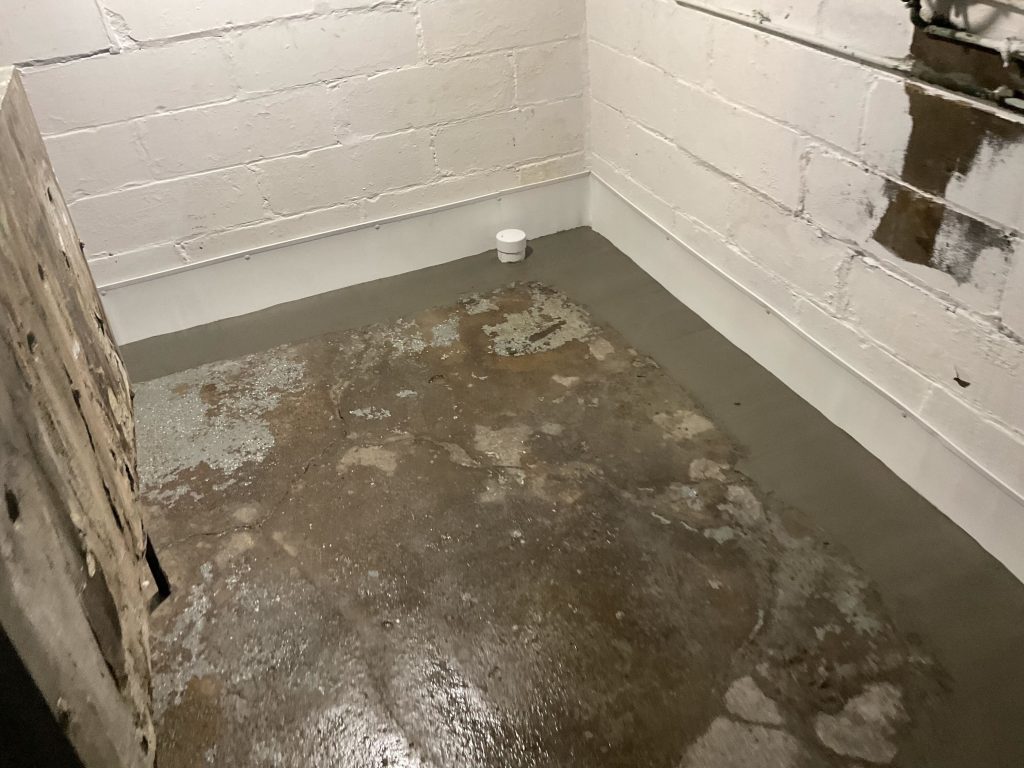
You’ve probably heard a lot about basement waterproofing, but how much of it is true? Is it true that interior waterproofing is enough, or that sealing cracks fixes the problem permanently? Perhaps you’ve contemplated handling the issue yourself, thinking it’s just as effective. There’s a swirl of myths surrounding this topic, leading homeowners down the wrong path. It’s time to clear the air and debunk seven common basement waterproofing myths, giving you a clear understanding to protect your home’s integrity. Aren’t you curious to know what they are?
Basement Waterproofing Key Takeaways: Benefits and Urgent ActionKey Takeaways
- Waterproofing is not a luxury but a necessity for the structural integrity and increased value of a property.
- DIY waterproofing methods often lack the expertise and materials needed for long-term protection, potentially causing more damage.
- All waterproofing methods, including interior and exterior, are crucial and have specific roles in comprehensive moisture management.
- Prompt action is crucial in waterproofing; delaying repairs can escalate small issues into major, costly problems.
- Waterproofing doesn’t have to be expensive; cost-effective strategies like sealants and dehumidifiers are effective when used correctly.
Myth 1: Waterproofing Isn’t Always Necessary
Despite the common belief, waterproofing isn’t always necessary for every basement. However, you should understand the basement benefits that accompany the process.
It’s not just about keeping your basement dry; it’s about moisture management, and that’s where the real value lies.
Waterproofing aids moisture management by preventing unwanted dampness, which can pose a threat to your home’s integrity. Excessive moisture can lead to mold growth, which can cause health risks for you and your family. It can also result in structural damage to your house, leading to costly repairs down the line.
Moreover, a well-managed, dry basement provides additional usable living space. It can serve as a home office, a workout room, a play area for your children, or even an extra bedroom.
A waterproofed basement also increases your property value, making it a wise investment for homeowners.
Myth 2: Interior Waterproofing Is Enough
You might think that simply waterproofing the interior of your basement is enough, but it’s not that simple.
While interior solutions can play a part, they also have their limitations.
It’s essential not to overlook the importance of exterior waterproofing for full protection.
Understanding Interior Waterproofing
Believing that interior waterproofing is all your basement needs is a common misconception. Yes, it’s an essential part of the process, but it’s not a standalone solution.
Interior waterproofing primarily focuses on managing water after it has entered your home.
Here are four key aspects to understand about interior waterproofing:
- Interior Drainage: This involves installing a drainage system inside your basement to guide water that seeps in away from your home. It’s a reactive measure, not a preventive one.
- Moisture Barriers: These are installed on your basement walls to help keep dampness out. Yet, they don’t prevent water from entering your basement completely.
- Sump Pumps: These devices pump out accumulated water in your basement. They’re essential but can’t stop water from entering.
- Dehumidifiers: These appliances reduce humidity in your basement, but they don’t address the source of incoming water.
Limitations of Interior Solutions
Although interior waterproofing methods can mitigate water damage once it occurs, they fall short in preventing the issue from the get-go. You might believe that installing drainage systems and moisture barriers inside your basement is enough, but there are limitations to these interior solutions.
Firstly, drainage systems handle water after it’s already entered your basement, which doesn’t tackle the root cause of the problem. The aim should be to prevent water from getting in, not dealing with it after the fact. Additionally, while these systems can divert water, they can’t completely eliminate moisture. This could lead to dampness, promoting mold growth and damaging your basement’s structural integrity over time.
Secondly, interior moisture barriers can only do so much. They’re designed to block moisture from seeping into your basement, but they can’t prevent external water pressure which can cause cracks and leaks.
Don’t get it twisted: interior solutions are important, but they’re not exhaustive. By focusing only on the inside, you’re treating the symptoms, not the illness. It’s vital to understand these limitations to develop a thorough and effective basement waterproofing plan.
Exterior Waterproofing Importance
Why risk the structural integrity of your home by banking solely on interior solutions?
It’s essential to understand that exterior waterproofing plays a key role in maintaining your home’s health.
When you neglect exterior waterproofing, you’re overlooking a significant line of defense against water damage.
It’s like having a football team with only a good offense but no defense – you’re not going to win many games that way.
Consider these four reasons why exterior waterproofing is critical:
- Formation of Mold: Water seeping through exterior walls can lead to mold growth, which poses health risks.
- Structural Damage: Persistent water can deteriorate exterior walls, affecting your home’s foundation.
- Drainage Systems: Exterior waterproofing includes improving drainage systems, which can prevent water build-up around your home.
- Soil Grading: This method guarantees water flows away from your home, not towards it.
Myth 3: All Sealants Are Equal
Contrary to popular belief, not all basement sealants are created equal. You might think that as long as a product is labeled as a sealant, it’ll get the job done. But that’s a myth that needs debunking. Different sealant types offer varied levels of protection, and the application methods can greatly influence their effectiveness.
Consider two common sealant types: acrylic and silicone. Acrylic sealants are generally cheaper and easier to paint over, but they aren’t as flexible or durable as silicone sealants, which can withstand temperature changes and resist moisture better.
Let’s look at a comparison table:
| Sealant Type | Advantages |
|---|---|
| Acrylic | Cheaper, paintable |
| Silicone | Flexible, moisture-resistant |
Application methods also matter. You can’t just slap on the sealant and expect it to work perfectly. It needs proper surface preparation, correct application, and enough curing time.
Myth 4: DIY Waterproofing Is Adequate
Just as you’ve learned that all sealants aren’t created equal, another common misunderstanding is the belief that tackling basement waterproofing on your own is always sufficient.
While DIY methods can seem attractive due to presumed cost savings and autonomy, they often fall short of a professional job.
Here’s why:
- Lack of expertise: DIY methods may cover the surface, but professional assistance goes beyond, identifying and addressing the root cause of the problem.
- Temporary solutions: Many DIY fixes offer temporary solutions, while a professional job guarantees long-term waterproofing.
- Limited tools and resources: Professionals have access to specialized tools and materials that aren’t typically available to the average homeowner.
- Risk of further damage: Incorrect waterproofing can lead to more severe issues down the line, resulting in more expensive repairs.
Myth 5: Basement Leaks Aren’t Urgent
You might think that a little leak in your basement isn’t a big deal, but don’t be fooled.
Understanding the severity of a leak and taking immediate action can save you lots of trouble down the line.
Let’s bust the myth that basement leaks aren’t urgent and discuss why delayed action can be dangerous.
Assessing Leak Severity
How often have you heard the claim that basement leaks aren’t a pressing issue? This myth has been circulating for years, causing homeowners to neglect a potentially serious problem.
The truth is, evaluating leak severity is essential and shouldn’t be taken lightly. You need to understand that a small leak today can evolve into significant water damage tomorrow.
So, how do you evaluate the severity of a basement leak? Here are four steps to help guide you:
- Leak Detection: Start by identifying the source of the leak. This could involve inspecting walls and floors, or looking for areas where water may be seeping in.
- Moisture Assessment: Use a moisture meter to measure the level of dampness in your basement. High moisture levels could indicate a severe leak.
- Damage Inspection: Look for signs of water damage. This could include discoloration, peeling paint, or mold growth.
- Professional Evaluation: If you’re unsure about the severity of the leak, consider hiring a professional. They can provide a thorough evaluation and recommend the best course of action.
Dangers of Delayed Action
Ignoring a basement leak under the pretense that it’s not an urgent issue can lead to disastrous consequences. You might think it’s just a small leak, and you’ve got more pressing matters to attend to.
But here’s the reality: even the smallest of leaks can cause extensive water damage over time.
Consider this. Water seeping through your basement walls doesn’t just disappear. It permeates the structure, damaging the integrity of your home. You may not notice the effect immediately, but it’s there, progressively worsening.
And here’s another kicker. Persistent dampness encourages mold growth. Ever dealt with mold? It’s not pleasant. It’s not just ugly and smelly; it’s hazardous to your health. Mold spores can trigger allergic reactions and respiratory problems.
So, what’s the cost of delayed action? It’s not just the financial hit from repair bills. It’s the risk to your health, the potential damage to your belongings, and the overall degradation of your home’s value.
The bottom line? Don’t shrug off that basement leak. It’s more urgent than you think. Act swiftly to prevent water damage and mold growth. Your future self will thank you.
Myth 6: Cracks Are the Only Concern
Contrary to popular belief, cracks aren’t the sole concern when it comes to basement waterproofing.
Sure, they’re a significant issue, but focusing solely on them can lead to overlooking other critical factors.
Don’t let crack misconceptions blind you.
- Condensation: This is a common problem in basements, leading to dampness and, eventually, mold growth.
It’s often mistaken for a leak, but it’s a separate issue that needs addressing.
- Improper Drainage: Improper or insufficient drainage can lead to water pooling around your foundation, even without visible cracks.
This can compromise the structural integrity of your basement.
- High Humidity: Basements are notoriously humid.
High humidity can lead to dampness, mold, and mildew, all of which can cause damage over time.
- Poor Ventilation: Without proper ventilation, your basement can become a breeding ground for mold and mildew.
It’s crucial to guarantee that air circulates well.
Myth 7: Waterproofing Is Expensive
Shifting our focus from the various factors that contribute to basement moisture, let’s tackle another common misconception: the presumed high cost of waterproofing. You might’ve heard that waterproofing will break the bank. But is that really the case?
Contrary to popular belief, waterproofing doesn’t have to be an expensive ordeal. In reality, there are numerous cost-effective solutions available that can fit any budget. You can opt for sealants, installation of a sump pump, or even a dehumidifier.
These options can provide effective waterproofing without requiring you to shell out a small fortune.
But here’s the key point: you have to look beyond the initial cost. Consider the long-term benefits of waterproofing. You’re investing in the health and longevity of your home.
Ignoring moisture problems can lead to mold growth, structural damage, and decreased property value. All of which can cost you a lot more in the long run.
Frequently Asked Questions
What Are the Signs That My Basement Needs Waterproofing?
You’ll notice signs that your basement needs waterproofing if you’re spotting frequent basement leaks or a damp, musty smell.
Check for water stains on the walls, floors, or accumulated water. Pay attention to condensation on windows or walls.
Cracks in the walls or floor can also hint at a need for moisture control. Mold and mildew growth are telltale signs too.
If you’re experiencing any of these issues, it’s time to contemplate waterproofing.
How Often Should a Professionally Waterproofed Basement Be Inspected or Maintained?
You should have your professionally waterproofed basement inspected once a year.
Regular inspections guarantee your waterproofing system’s still working efficiently.
Don’t forget maintenance, though! Simple tasks like cleaning out drains and checking for cracks can prevent bigger problems down the line.
Despite popular myths, waterproofing isn’t a one-time deal. It requires consistent care.
What Materials Are Used in Professional Basement Waterproofing?
You’re probably curious about the materials used in professional basement waterproofing.
Here’s the scoop: Waterproofing membranes are essential. They’re durable, flexible sheets that create a watertight barrier on your basement walls.
Additionally, drainage systems play a critical role. These can include interior and exterior drains to remove water away from your foundation.
It’s not a one-size-fits-all solution, but these materials are fundamental in most professional waterproofing jobs.
Can Waterproofing Help to Increase the Value of My Property?
Waterproofing your basement is a smart property investment.
Not only does it prevent potential water damage, but it also increases your home’s overall value.
Just think about prospective buyers – they’ll be more inclined to pay a higher price for a home that’s been well-maintained and improved.
So, don’t let common myths deter you.
Are There Any Potential Health Risks Associated With a Wet Basement?
Yes, there are potential health risks associated with a wet basement.
Mold exposure is a significant concern. If your basement’s damp, it’s a breeding ground for mold, which can lead to respiratory issues and other health problems.
In addition, the structural damage from prolonged moisture can create safety risks.
It’s crucial to address these issues promptly to maintain a safe and healthy living environment.
Conclusion
Don’t fall for these myths! You need exterior and interior waterproofing to fully protect your home. All sealants aren’t equal and DIY methods aren’t as effective as professional ones. Don’t ignore basement leaks; they’re urgent. Cracks aren’t your only worry and while waterproofing can be pricey, it’s a worthy investment. Be informed and make the right choices for your home. After all, a well-protected basement means a safer, more comfortable home for you and your family.

Ohio State Waterproofing has provided quality service with over 90,000 successful waterproofing and foundation repair installations and satisfied customers since our inception in 1978.
Ohio State Waterproofing’s philosophy for success is to provide honest, courteous and guaranteed service to every customer. Our reputation reflects this. Our well-trained waterproofing technicians are dedicated to complete customer satisfaction. This is achieved through fast, efficient processes as well as teamwork throughout this organization. You will always find a friendly representative willing to meet your needs at Ohio State Waterproofing.
We are a full service company that handles problems ranging from patching cracks to rebuilding basements. In addition, we hold three patents related to waterproofing that make us unique in the industry. These patents and our experience allow us to be able to do what every other waterproofer can do, but no one else can do what we do.
We are actively involved in the industry and community, including the National Association of Waterproofing Contractors, BHA, NARI, NAHB, NHIA, the BIA, the FHA and a number of consumer advocacy groups, as well as playing leading roles in a number of charitable functions.
But, most importantly, our highest degree of praise comes from the thousands of referrals we get from satisfied customers. Together they’ve made us a leader in the basement waterproofing and foundation repair industry.
