
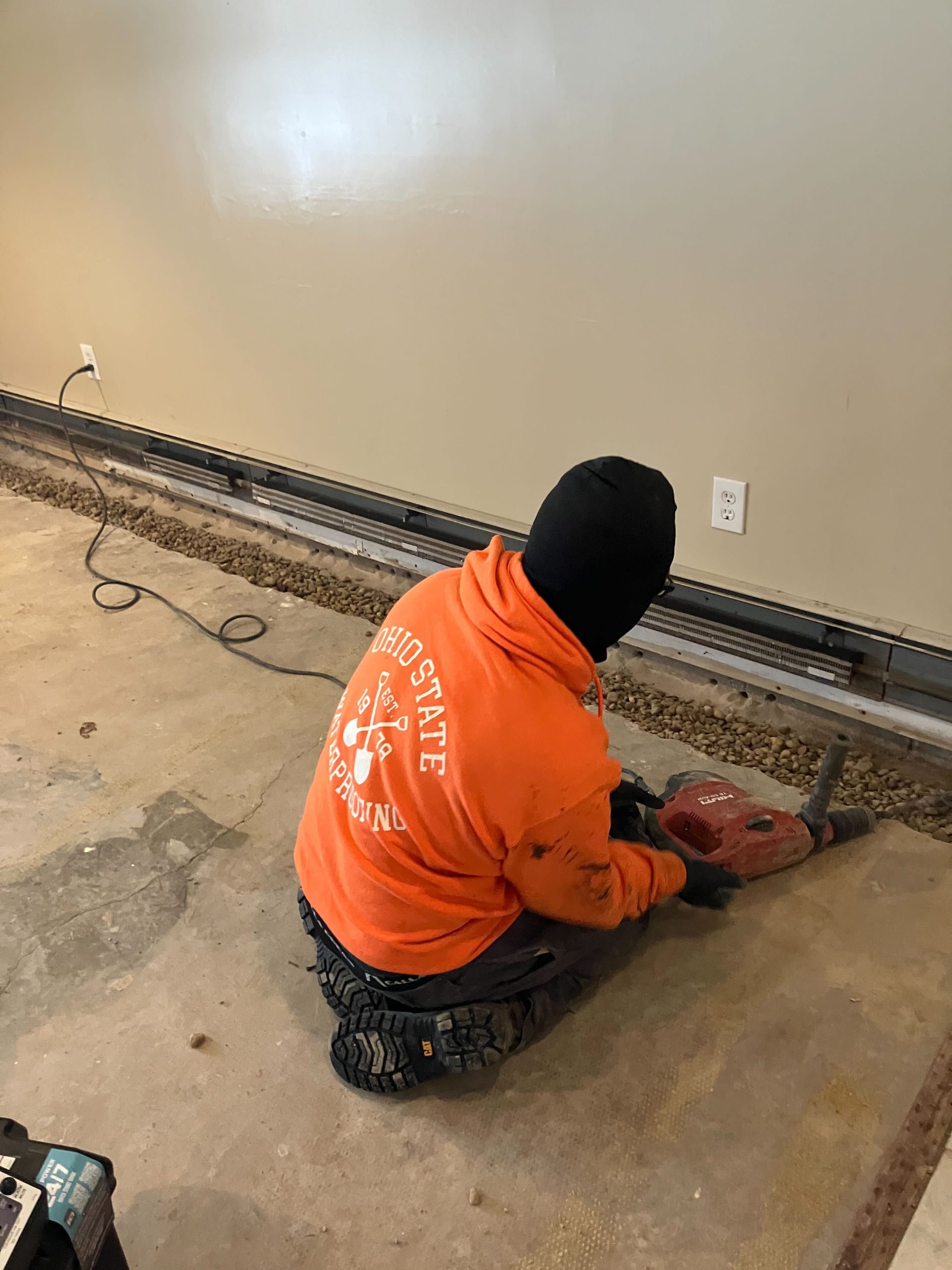
 If you’re constantly battling a wet basement, you’re not alone. It’s a common issue that can be quite a headache. However, there are effective solutions to help you conquer this problem for good. From identifying and addressing the root causes to installing a reliable waterproofing system, you can transform your damp basement into a dry, usable space. But, why is this so important and what are the crucial steps to achieving this? Stick around, and you’ll soon discover the answers you need.
Essential Basement Waterproofing & Moisture Control TipsKey Takeaways
- Identify moisture sources and rectify water drainage issues to prevent water accumulation near the foundation.
- Install a proper basement ventilation system to control humidity, improve air quality, and maintain structural integrity.
- Regularly inspect and seal any cracks or holes in the basement walls and floors using appropriate materials.
- Install and maintain a comprehensive basement waterproofing system, including effective drainage solutions and sump pumps.
- Implement preventive measures, conduct regular inspections, and monitor basement conditions to ensure consistent dryness.
Understanding the Causes of Basement Dampness
Often, understanding the causes of basement dampness is your first step towards solving wet basement problems. The two main culprits you’ll likely encounter are moisture sources and water drainage issues.
Moisture sources can be both internal and external. Internally, activities such as cooking, bathing, and even breathing release moisture into your home, a portion of which can find its way into the basement.
Externally, rain and groundwater can seep into your basement if not properly diverted.
Water drainage problems stem from poor construction or landscape design. This can include sloping terrain directing water towards the foundation, inadequate or damaged gutters, and poor soil and gravel choices surrounding the foundation.
You can’t control the weather, but you can control how your home deals with it. Understanding where the moisture is coming from empowers you to take the necessary steps to mitigate its impact.
Ensuring proper water drainage is equally important.
The Importance of Proper Basement Ventilation
Don’t underestimate the role proper ventilation plays in keeping your basement dry.
It’s essential to understand what basement ventilation really means and how it operates.
Equally important is knowing how to properly install such a system, and we’ll provide you with some practical tips to get it right.
Understanding Basement Ventilation
While you may not give it much thought, proper ventilation in your basement plays a pivotal role in maintaining the overall health of your home.
Understanding the airflow dynamics and humidity control can significantly help in preventing wet basement issues. Let’s break it down:
- Humidity Control: Proper ventilation aids in reducing the humidity levels in your basement, preventing the growth of mold and mildew.
- Airflow Dynamics: A well-ventilated basement promotes air circulation, preventing stagnant air which can lead to unpleasant odors and poor air quality.
- Temperature Regulation: It helps in maintaining an appropriate temperature, reducing the chances of condensation that can lead to a wet basement.
- Air Quality: It improves the indoor air quality by filtering out pollutants, contaminants, and allergens.
- Structural Integrity: By preventing dampness and humidity, it contributes to the structural integrity of your home.
Ventilation System Installation Tips
Having shed light on the importance of basement ventilation, let’s now focus on the installation tips for an efficient ventilation system.
First, you’ll want to optimize natural airflow. This involves strategically positioning vents to take advantage of natural air currents, thus enhancing the circulation of fresh air through your basement. You should ideally install an air vent near the top and another near the bottom of your basement. The top vent allows warmer, moisture-laden air to escape, while the bottom vent allows cooler, drier air to enter.
Next, consider an exhaust fan to boost the natural airflow, especially if your basement is large or if the natural ventilation is insufficient. Remember, the goal is to circulate air effectively, keeping your basement dry and mold-free.
Lastly, prioritize humidity control. A dehumidifier can be a worthy investment for your basement. It works by reducing excess moisture, preventing the buildup of mildew and mold.
Remember to empty the dehumidifier regularly for it to function efficiently.
Sealing Cracks and Holes: A Preventative Measure
When dealing with a damp basement, your first line of defense is often to seal any visible cracks and holes.
It’s essential to perform a thorough crack assessment, as this step helps identify the severity of the problem and the best course of action.
Here’s a practical guide to get you started:
- First, inspect your basement walls and floor for cracks or holes. Use a flashlight for better visibility.
- Next, choose your sealing materials. Options include hydraulic cement, epoxy, or polyurethane foam. The choice depends on the crack’s size and location.
- Clean the area around the crack to ensure a better bond with the sealant.
- Apply the chosen material according to the manufacturer’s instructions.
- Finally, allow the sealed area to dry completely before checking for any leakage.
Installing a Basement Waterproofing System
Now that you’ve sealed any visible cracks and holes, it’s time to consider installing a basement waterproofing system. This isn’t just about slapping on a coat of waterproof paint. It requires thoughtful planning and execution to effectively manage the water around and under your basement.
One of the primary components of a good waterproofing system is effective drainage solutions. These are designed to catch and divert water away from your basement. You might want to consider installing a French drain, which is a trench filled with gravel or rock that redirects surface water away from your house.
Another critical part of your waterproofing system is a sump pump. A sump pump sits in a pit in the lowest part of your basement. Its job is to pump out any water that finds its way into the pit, keeping your basement dry.
Don’t be intimidated by the complexity of these systems. With careful planning and a bit of elbow grease, you can install a waterproofing system that will keep your basement dry for years to come.
But remember, installation isn’t the end. Regular maintenance is essential to keep your system working effectively.
Utilizing a Basement Dehumidifier
Even with a waterproofing system in place, it’s not uncommon to face lingering dampness in your basement. That’s where a basement dehumidifier comes into play. You see, a dehumidifier is more than just a fancy gadget; it’s your key to maintaining optimal moisture control.
Before we delve into dehumidifier benefits, let’s break down how it works. Essentially, it extracts excess moisture from the air, helping keep humidity levels in check. This prevents your basement from becoming a breeding ground for mold and mildew.
Here’s why you should consider using a dehumidifier:
- It improves your home’s air quality by reducing allergens.
- It prevents the growth of mold and mildew.
- It protects your home’s structural integrity from moisture damage.
- It reduces musty odors associated with dampness.
- It helps maintain a comfortable humidity level in your basement.
In the end, the dehumidifier is more than just a solution; it’s a proactive step towards a more comfortable, healthier home.
Regular Maintenance Practices for Dry Basements
Let’s now shift our focus onto regular maintenance practices for dry basements.
Your first step should be preventive measures against dampness, ensuring your basement stays dry and cozy.
Then, we’ll get into various basement waterproofing techniques, a crucial part of maintaining a dry basement.
Preventive Measures for Dampness
In the quest for a dry basement, regular maintenance practices play a pivotal role. You’re not simply fighting against occasional leaks or floods, but a continuous battle against dampness.
This persistent enemy can be kept at bay using preventive measures such as moisture barriers and drainage solutions.
Here are some preventive measures you can take to maintain a dry basement:
- Inspect regularly: Check your basement frequently for signs of moisture. Early detection can prevent significant damage.
- Install moisture barriers: These barriers, placed on your basement walls and floor, can block moisture from seeping in, keeping your basement dry.
- Implement drainage solutions: Proper drainage prevents water from pooling around your home’s foundation, reducing the risk of a damp basement.
- Maintain gutters and downspouts: Ensure they’re clean and directing water away from your home.
- Consider landscaping: Sloping the ground away from your home can help direct rainwater away from the foundation.
Basement Waterproofing Techniques
A myriad of waterproofing techniques exist to keep your basement in a perpetually dry state. Focusing on two key areas, interior drainage and exterior grading, can help you maintain a dry, usable space.
First, let’s discuss interior drainage. This is a vital aspect of basement waterproofing. It involves the installation of a system to move water from the inside of your basement to the outside.
You’ll need to install a sump pump and a network of pipes beneath your basement floor that direct water away from your home’s foundation. Keep this system well-maintained and routinely checked to ensure its effectiveness.
Next, consider exterior grading. This technique is all about manipulating the slope of your property to steer water away from your home.
You’ll want a gentle slope that guides water towards street-level drains or other appropriate runoff areas. It’s a simple, yet crucial step in preventing basement water issues.
Frequently Asked Questions
What Types of Insurance Cover Basement Water Damage?
You’re probably wondering if your insurance covers basement water damage.
Usually, homeowners insurance doesn’t cover this. However, you can typically add water backup coverage to your policy.
Additionally, if the damage is due to flooding, you’ll need separate flood insurance.
It’s crucial to review your policy and consult with your insurance agent to ensure you’re fully covered.
Can Wet Basements Lead to Structural Issues Over Time?
Yes, wet basements can indeed lead to structural issues over time.
When you don’t control moisture, it can seep into your home’s foundation. This process can weaken the foundation’s integrity, leading to significant structural problems.
It’s not just about water damage; it’s about the overall stability of your home.
How Much Does Professional Basement Waterproofing Typically Cost?
You’re probably wondering about the cost of professional basement waterproofing. It varies significantly depending on the waterproofing methods used and other cost factors.
Typically, you might spend between $500 to $10,000, with most homeowners spending around $3,000.
The cost factors include the size of your basement, the extent of the seepage, and the materials employed.
Are There Any DIY Solutions for Minor Basement Leaks?
Yes, there are DIY solutions for minor basement leaks. You can install a sump pump to remove excess water.
Regular gutter maintenance also prevents water buildup around your foundation.
Don’t forget to seal any visible cracks with hydraulic cement or a waterproofing sealant.
Does a Wet Basement Affect the Overall Value of My Home?
Absolutely, a wet basement can significantly impact your home’s appraisal and resale value.
Potential buyers often see it as a red flag, indicating serious underlying issues, like structural damage or mold.
It’s in your best interest to address these issues promptly. Ignoring them won’t make them disappear.
Instead, they’ll continue to devalue your property. Invest in a solid solution to ensure your home maintains its worth.
Conclusion
So, you’ve got this! Start by pinpointing the cause of your basement’s dampness. Don’t overlook the importance of ventilation and seal any cracks or holes you find. Install a waterproofing system and don’t forget about a handy dehumidifier. Keep up with regular maintenance to ensure your basement stays dry. With these practical steps, you’ll banish wet basement problems for good and can enjoy a dry, usable space. Remember, attention to detail is key in this process.

Ohio State Waterproofing has provided quality service with over 90,000 successful waterproofing and foundation repair installations and satisfied customers since our inception in 1978.
Ohio State Waterproofing’s philosophy for success is to provide honest, courteous and guaranteed service to every customer. Our reputation reflects this. Our well-trained waterproofing technicians are dedicated to complete customer satisfaction. This is achieved through fast, efficient processes as well as teamwork throughout this organization. You will always find a friendly representative willing to meet your needs at Ohio State Waterproofing.
We are a full service company that handles problems ranging from patching cracks to rebuilding basements. In addition, we hold three patents related to waterproofing that make us unique in the industry. These patents and our experience allow us to be able to do what every other waterproofer can do, but no one else can do what we do.
We are actively involved in the industry and community, including the National Association of Waterproofing Contractors, BHA, NARI, NAHB, NHIA, the BIA, the FHA and a number of consumer advocacy groups, as well as playing leading roles in a number of charitable functions.
But, most importantly, our highest degree of praise comes from the thousands of referrals we get from satisfied customers. Together they’ve made us a leader in the basement waterproofing and foundation repair industry.
