
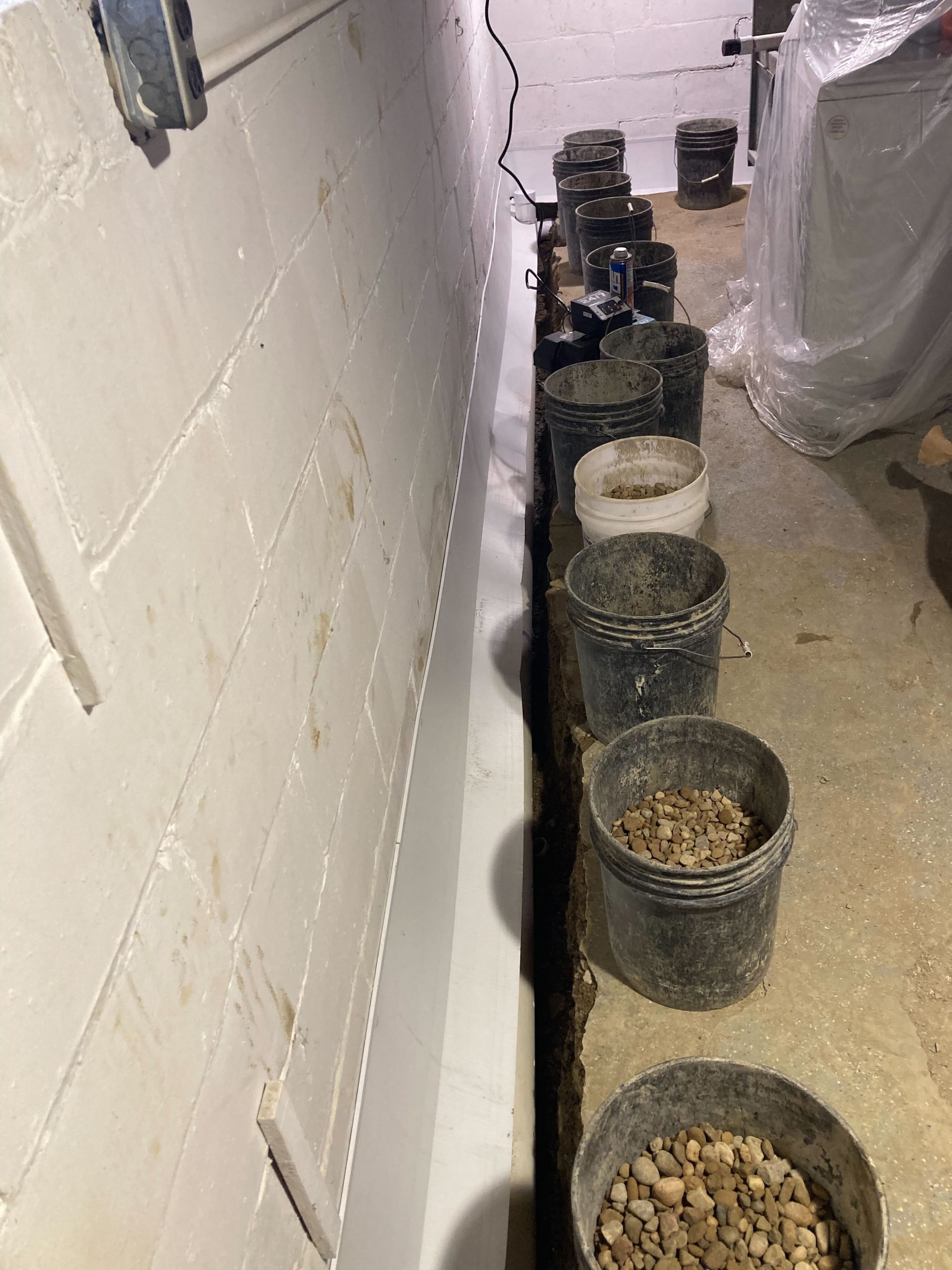
 If you’ve ever battled a damp basement, you know how essential effective waterproofing measures are. But have you considered the intertwined role of drainage systems, high-quality sealants, and regular maintenance? Steering water away from your home’s foundation, applying the right sealants, and keeping a vigilant eye on humidity levels are key. Yet, even with these strategies, the specifics can be tricky. What if you’re missing a piece of the puzzle that could make your basement not just dry, but also a perfectly usable space? Let’s unpack these strategies together, and you might just find that missing piece.
Basement Waterproofing Tips: Drainage, Sealants & Upkeep
- Effective basement waterproofing requires a combination of moisture management, regular maintenance, and choosing the right waterproofing materials.
- Techniques such as using sealants, concrete waterproof coatings, or silicate-based sealers can provide durable waterproofing solutions.
- Surface preparation is crucial for successful waterproofing, including cleaning surfaces and applying sealants evenly, as per manufacturer’s instructions.
- Regular maintenance checks are necessary to ensure the continued effectiveness of the waterproofing, with prompt action on signs of moisture.
- Hiring professional services can ensure a comprehensive and effective approach to basement waterproofing, with tailored solutions for specific home conditions.
Understanding Basement Moisture Sources
While waterproofing your basement, it’s vital to understand the sources of moisture. Moisture in basements typically originates from two primary sources: indoor humidity and outdoor water sources.
Indoor humidity can accumulate in your basement from everyday activities such as cooking, showering, or running a humidifier. This moisture can condense on cooler surfaces, leading to dampness. Consider using dehumidifiers or improving ventilation to minimize this issue.
Outdoor moisture, on the other hand, can seep into your basement in several ways. It can penetrate through cracks in your foundation walls or floor, or it can enter through the joints where the walls meet the floor. Water can also enter through windows or doors if they’re not well-sealed.
Another outdoor source is poorly directed rainwater or snowmelt. It’s important to direct this water away from your home’s foundation. You’ll also want to make certain that your landscape doesn’t slope towards your house, as this can funnel water towards your foundation.
Lastly, remember to check your plumbing and appliances for leaks, as these can contribute to basement moisture.
Importance of Proper Drainage
Understanding the sources of basement moisture is just the first step; the next aspect to contemplate is the significance of proper drainage. Without it, you’re leaving your basement open to the destructive effects of water buildup. It’s not enough to merely identify where the water is coming from; you’ve got to guarantee it has a way out.
You see, effective drainage systems are essential in keeping your basement dry. They work by directing water away from the foundation of your home, preventing it from seeping into your basement. An improperly installed or non-existent drainage system can allow water to accumulate, resulting in damp conditions that can lead to mold growth and structural damage.
So, how can you guarantee your drainage is doing its job? Regular inspections are key. You should check for any signs of blockages or damage that could impair the flow of water.
It’s also important to clean your gutters regularly, as clogged gutters can overflow, leading to water seeping into your basement.
Moreover, consider the slope of your property. It should allow water to naturally flow away from your home. If it doesn’t, you might need to invest in drainage improvements.
Basement Waterproofing Materials
Now, let’s turn your attention to the critical topic of basement waterproofing materials.
You’ll need to evaluate the efficacy of various waterproofing sealants, understand the significant role of drainage systems, and learn how to utilize waterproofing membranes.
These materials, when chosen wisely and used correctly, can provide a robust defense against unwanted moisture intrusion in your basement.
Choosing Waterproofing Sealants
Ever wondered how to choose the right waterproofing sealant for your basement? It’s not as intimidating as you might think. The key is understanding your specific needs and the benefits each type of sealant offers.
First, you’ll want to choose a sealant that’s specifically designed for basement waterproofing. These types of sealants are durable, long-lasting, and designed to withstand the unique conditions that basements often face, like high humidity and temperature fluctuations.
There are two main types of basement waterproofing sealants: liquid and sheet-based. Liquid sealants are applied with a brush or roller and penetrate deeply into the pores of the concrete, creating a waterproof barrier. They’re easy to apply and generally less expensive than sheet-based sealants.
Sheet-based sealants, on the other hand, are a bit more complex to install but offer superior protection. They’re fundamentally thick, durable sheets that are adhered to the surface of the basement walls, creating a physical barrier against water.
Ultimately, the best sealant for your basement depends on your specific needs and budget. It’s always a good idea to consult with a professional who can provide expert advice based on your unique situation.
Importance of Drainage Systems
While selecting a suitable sealant is a significant step in basement waterproofing, it’s equally important to not overlook the role of a robust drainage system.
An efficient drainage system is key in preventing water buildup, which can lead to seepage and damage to your basement’s structure.
A well-designed drainage system is a critical part of your home’s overall waterproofing strategy. It works by directing water away from your home’s foundation, preventing it from pooling and creating pressure against your basement walls.
This pressure can lead to cracks, allowing water to infiltrate your basement, causing not only structural damage but also encouraging mold and mildew growth.
You can choose from various types of drainage systems, including French drains, sump pumps, and exterior footing drains.
Each has its own advantages and is suited for different circumstances. For instance, a sump pump is ideal if your home is in a flat area with little natural drainage.
Utilizing Waterproofing Membranes
Waterproofing membranes serve as your basement’s protective shield against water penetration. They’re typically made of rubber, plastic, or a synthetic material, and they’re applied directly to your basement walls. This barrier is designed to stop water from seeping into your basement, even if the surrounding soil is saturated.
You’ll find two main types of waterproofing membranes: sheet-based and liquid-applied. Sheet-based membranes are rolled onto the surface in large sheets, while liquid-applied membranes are sprayed or painted on. Each type has its own benefits. Sheet-based membranes provide a consistently thick layer of protection, while liquid-applied membranes can easily conform to irregular wall surfaces.
Remember, the installation process is crucial. A poorly installed membrane can lead to ineffective waterproofing and potential damage. So, consider hiring a professional to guarantee your membrane is applied correctly.
Also, before installation, your basement walls should be thoroughly cleaned to remove any dirt or debris that could interfere with the adhesion of the membrane.
Ultimately, a waterproofing membrane is an indispensable component of a thorough basement waterproofing strategy. It’s a proactive measure you can take to protect your basement from water damage, mold, and mildew.
DIY Waterproofing Techniques
Now, let’s move on to discussing DIY waterproofing techniques.
You’ll need to understand how to select the right waterproofing materials, apply sealants effectively, and manage moisture sources.
These steps are essential for a successful and long-lasting waterproofing solution.
Choosing Waterproofing Materials
Your basement’s longevity can hinge considerably on the type of waterproofing materials you choose. With so many options available, it is crucial to make informed decisions. Understanding the properties of each material will guarantee your basement remains dry and damage-free for years to come.
Consider the following materials:
| Material | Characteristics |
|---|---|
| Concrete Waterproof Coatings | Permanently adheres to concrete walls. Cannot be applied to previously painted surfaces. |
| Silicate-Based Concrete Sealers | Penetrates walls to form a waterproof barrier. Can be applied to painted walls. |
| Waterproofing Paint | Similar to acrylic wall paint, with added waterproofing properties. |
| Plastic Sheets & Panels | Used in conjunction with an interior basement drainage system. |
Concrete waterproof coatings are durable and robust, but can’t be used if your walls are already painted. Silicate-based sealers can be applied to painted walls, penetrating to create a waterproof barrier. Waterproofing paint is easy to apply like regular paint but includes added waterproofing properties. Plastic sheets and panels are typically installed internally along with a drainage system to keep your basement dry.
Your choice should align with your basement’s condition, your budget, and your DIY capabilities. Make a wise decision, and you’ll save yourself from future headaches and costly repairs.
Implementing Sealant Application
If you’ve decided to tackle basement waterproofing on your own, understanding how to implement sealant application is a critical first step. It’s not as intimidating as it may seem, so let’s break it down.
Start by preparing the surface. It should be clean, dry, and free of any loose material. This guarantees the sealant adheres properly. Depending on the type of sealant you’ve chosen, different preparation methods may be required. Always follow the manufacturer’s instructions for best results.
Next, apply the sealant. Most sealants are applied with a brush or roller, much like paint. It’s important to apply it evenly over the entire surface to prevent gaps which could allow water in.
Cover corners and joints thoroughly, as these are areas where water often seeps through.
Allow the sealant time to dry. This varies by product, but typically takes between 24 to 48 hours. Avoid touching or disturbing the sealant during this time.
Addressing Moisture Sources
Before diving into more complex waterproofing techniques, addressing the sources of moisture is an essential step you shouldn’t overlook.
It’s not just about applying sealants; you’ve got to know where the water is coming from.
First, check for condensation. It’s a common culprit, especially in basements. Look for signs like damp spots, water droplets, or rust on metal surfaces. If you find any, you’ll need to improve ventilation and temperature control. Dehumidifiers can be a good solution here.
Next, consider seepage. This happens when groundwater saturates the soil around your basement and pushes its way in. Be vigilant after heavy rains or snow melts. You might need to adjust your landscaping to direct water away from your home, or install a drainage system.
Lastly, look for leaks. They can occur in pipes, windows, or even the walls themselves. Regular inspections can help you catch these early.
Remember, it’s easier to fix a small leak now than deal with major water damage later.
Addressing these moisture sources won’t only make your waterproofing efforts more successful, but also extend the life of your basement and the possessions stored within.
Hiring Professional Waterproofing Services
Maneuvering through the world of professional waterproofing services can seem intimidating at first. You’re faced with a multitude of options, each claiming to be the best solution for your basement’s unique needs.
Don’t fret; with a little knowledge and a strategic plan, you’ll be able to confidently select the right service.
First, do your homework. Research local companies, check their reviews, and ask for references. You’ll want a company that’s reputable, reliable, and has a proven track record.
Don’t be shy about asking for credentials and insurance details, either. It’s your property, so it’s important to verify you’re entrusting it to capable hands.
Next, consider the services they offer. Do they provide a thorough approach, addressing both interior and exterior solutions?
Do they use high-quality, durable materials? These factors will greatly impact the effectiveness and longevity of their work.
Lastly, don’t let cost be your deciding factor. While it’s tempting to go with the cheapest option, remember that you’re investing in the long-term health of your home.
A quality waterproofing job can save you money in the long run by preventing expensive water damage repairs. So choose wisely and secure your basement’s future.
Maintenance Tips for a Dry Basement
Keeping your basement dry isn’t just a one-time task; it requires regular maintenance and vigilance. Don’t wait for a flood to take action. Regularly inspect your basement for leaks, cracks, and dampness. Look out for signs of moisture, such as peeling paint, mold, or a musty odor. These signs often indicate that water is seeping into your basement.
Maintain your gutters and downspouts. They play a significant role in directing rainwater away from your home’s foundation. Verify they’re free from debris and that they drain at least six feet away from your house.
Additionally, regularly check the grading around your home. It should slope away from your house to prevent water from pooling near your foundation.
Invest in a good quality dehumidifier to manage the humidity levels in your basement. Excessive moisture can lead to problems such as mold and mildew.
Case Studies of Successful Waterproofing
While each home is unique, many have benefited from effective basement waterproofing strategies.
In one case, a 100-year-old Victorian home had a persistently damp basement, causing damage to its structure and potentially leading to mold growth. The homeowners opted for a three-pronged approach: interior water drainage, exterior waterproofing, and a sump pump installation. This all-encompassing solution turned their once damp and musty basement into a dry, usable space.
In another example, a modern townhouse experienced flooding during heavy rains. The owners decided to install a French drain system, and the results were astounding. No more water pooling around their property or seeping into their basement. Now, they’re confident their home is protected, even in the worst weather.
Lastly, consider the case of a mid-century home with a cracked foundation. The owners wisely chose to seal the cracks with a high-quality epoxy, followed by a full interior and exterior waterproofing. This not only stopped the water intrusion but also helped preserve the home’s structural integrity.
These case studies illustrate that successful basement waterproofing isn’t a one-size-fits-all scenario. It requires a tailored approach, considering the unique needs of each home.
Frequently Asked Questions
What Is the Average Cost of Basement Waterproofing?
You’re likely to spend between $3,000 to $9,000 on average for basement waterproofing. However, it’s important to remember that costs can vary based on factors like your home’s size and the specific waterproofing method you choose.
How Long Does the Waterproofing Process Typically Take?
You’re probably wondering about the duration of the waterproofing process. Typically, it can take anywhere from a few days to a week, depending on the method used and the size of your basement. It’s not an overnight job.
Does Home Insurance Cover Basement Waterproofing?
Typically, home insurance doesn’t cover basement waterproofing as it’s considered a maintenance issue, not accidental damage. It’s your responsibility to prevent leaks. Always check your policy or consult your insurer for specific coverage details.
Are There Any Health Risks Associated With a Damp Basement?
Yes, a damp basement isn’t just a nuisance, it’s a silent killer. It can lead to mold growth, causing allergies and respiratory issues. You’re also at risk for structural damage, which might compromise your home’s safety.
Can Waterproofing Increase the Value of My Property?
Absolutely, waterproofing can boost your property’s value. Potential buyers often prefer homes with a dry, usable basement. It eliminates potential health risks and maintenance costs, making your property more attractive and increasing its market value.
Conclusion
So, you’ve navigated the stormy seas of basement waterproofing. Remember, keeping your foundation dry is a journey, not a one-time fix. Stay vigilant with regular maintenance, and don’t hesitate to call in the pros if the waves get too high. By staying ahead of moisture, you’re steering your home towards the safe harbor of structural integrity and usability. Let your basement be a dry dock, not a sinking ship.

Ohio State Waterproofing has provided quality service with over 90,000 successful waterproofing and foundation repair installations and satisfied customers since our inception in 1978.
Ohio State Waterproofing’s philosophy for success is to provide honest, courteous and guaranteed service to every customer. Our reputation reflects this. Our well-trained waterproofing technicians are dedicated to complete customer satisfaction. This is achieved through fast, efficient processes as well as teamwork throughout this organization. You will always find a friendly representative willing to meet your needs at Ohio State Waterproofing.
We are a full service company that handles problems ranging from patching cracks to rebuilding basements. In addition, we hold three patents related to waterproofing that make us unique in the industry. These patents and our experience allow us to be able to do what every other waterproofer can do, but no one else can do what we do.
We are actively involved in the industry and community, including the National Association of Waterproofing Contractors, BHA, NARI, NAHB, NHIA, the BIA, the FHA and a number of consumer advocacy groups, as well as playing leading roles in a number of charitable functions.
But, most importantly, our highest degree of praise comes from the thousands of referrals we get from satisfied customers. Together they’ve made us a leader in the basement waterproofing and foundation repair industry.

