
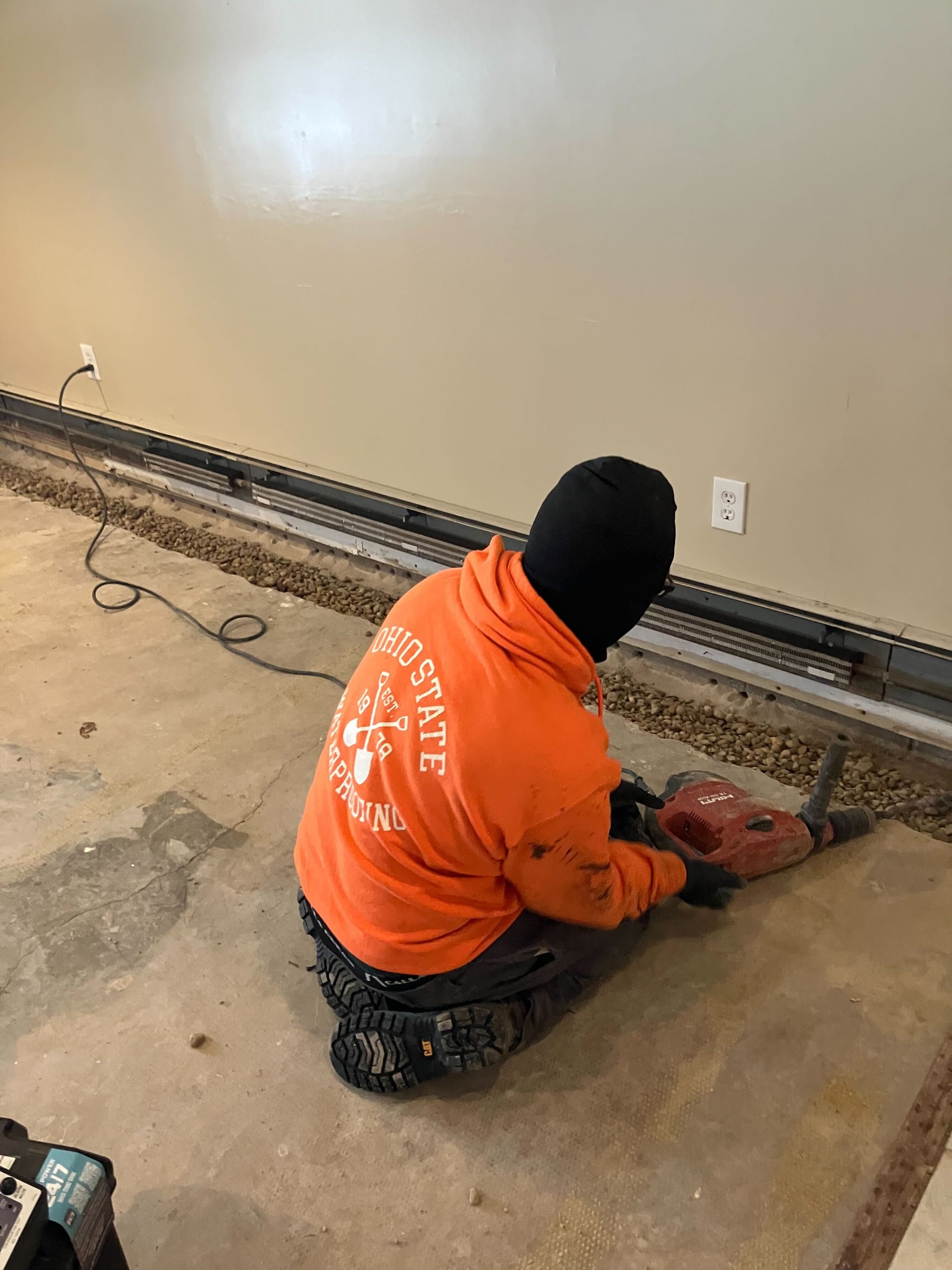
 Are you tired of constantly dealing with water problems in your basement? There are affordable waterproofing solutions that can put an end to your woes for good. From interior water drainage systems to crack injections and budget-friendly waterproofing paints, you’ve got a variety of options to protect your home’s structure and maintain a healthy environment. Not only does this prevent mold and mildew, but it also saves you from costly repairs in the long run. But how do you choose the right waterproofing method for your home? Let’s explore this further.
Essential Insights: Key Takeaways for Effective Understanding
- Implement interior water drainage systems and use sump pumps to effectively manage water infiltration.
- Use affordable sealing techniques such as epoxy injections, polyurethane injections, and hydraulic cement to mend cracks.
- DIY waterproofing options, including waterproofing paints and sealants, can provide cost-effective moisture barriers.
- Regular maintenance, such as gutter cleaning and ensuring landscaping slopes away from the home, can prevent water issues.
- Hiring professional waterproofing services can be a long-term investment, offering expertise, efficiency, and warranty coverage.
Understanding Basement Moisture Problems
In dealing with basement moisture problems, it’s crucial to first understand what’s causing them. You’re not alone if you’ve noticed dampness, a musty smell, or even visible water in your basement. These signs indicate that moisture is penetrating your basement, but the source isn’t always obvious.
Groundwater is a common culprit. Your home’s foundation is basically a large hole in the ground, and water will naturally try to fill it. If your home is on a slope, or if the soil around your foundation isn’t draining well, water can pool against your foundation and seep into your basement.
Another common source is condensation. If your basement is poorly ventilated, or if there’s a significant temperature difference between the inside and outside of your home, moisture in the air can condense on the cooler surfaces in your basement, like your walls, floors, or pipes.
Lastly, plumbing leaks can cause basement moisture problems. A leaking pipe, water heater, or washing machine can all cause water to pool in your basement. It’s important to regularly check your plumbing and appliances for leaks to prevent this issue.
Importance of Basement Waterproofing
Waterproofing your basement isn’t just an optional home improvement project; it’s a critical measure to protect your home’s structural integrity and your family’s health.
When water seeps into your basement, it can cause serious problems, like structural damage and the growth of harmful mold and mildew.
Over time, water can erode the foundation of your home, weakening the structure and compromising its stability. The pressure of water in the soil surrounding your basement—the hydrostatic pressure—can cause cracks to form in your foundation, letting in more water and causing even more damage.
Meanwhile, the dampness and humidity in a wet basement create the perfect environment for mold and mildew to thrive. And these aren’t just unsightly; they can also pose significant health risks. Long-term exposure to mold can cause respiratory problems, allergic reactions, and other health issues.
In other words, it’s not an exaggeration to say that a waterproof basement is a healthier, safer home.
Identifying Affordable Waterproofing Options
You might wonder how you can protect your home without breaking the bank. Well, there are affordable waterproofing options available that can help safeguard your basement from water damage, without requiring a hefty investment.
Let’s explore three cost-effective methods:
- Interior Water Drainage: This system, designed to handle high water volumes, is less expensive than exterior drainage. It intercepts water at the perimeter of your basement and diverts it to a sump pump, which then expels it away from your home.
- Crack Injections: If your basement problems are due to cracks in the walls or floor, injecting them with a polyurethane or epoxy resin can be a budget-friendly solution. These injections seal off the cracks, preventing water from seeping in.
- Waterproofing Paints and Sealants: These are DIY-friendly options. They form a barrier that blocks out moisture and can be easily applied to your basement’s walls and floors.
DIY Basement Waterproofing Techniques
Now let’s move on to your hands-on role in waterproofing your basement.
You’ll need to understand which materials are essential for the project and familiarize yourself with the step-by-step process.
With the right knowledge and resources, you can make your basement watertight without breaking the bank.
Essential Waterproofing Materials
Basements, being the lowest part of your home, are prone to moisture issues. But don’t worry, you can nip this problem in the bud by using the right waterproofing materials.
Let’s talk about these essentials.
- Waterproofing Paint: This isn’t your regular paint. It’s specially formulated to resist water, making it a great first line of defense against moisture. You’ll apply it to your basement walls just like regular paint, but its water-resistant properties will help keep your basement dry.
- Waterproofing Sealant: Sealants are a step up from waterproofing paint. They’re thicker, providing more substantial protection against water. They’re also more versatile, as you can use them on both your basement walls and floor.
- Drainage Mats: These are your best bet for dealing with water that’s already made its way into your basement. They’re installed on your floor and walls to guide the water towards your sump pump or floor drain.
These materials are the backbone of any successful DIY basement waterproofing project.
They’re affordable, easy to use, and effective.
With them, you can say goodbye to your basement water issues for good.
Next, we’ll discuss the step-by-step waterproofing process. Stay tuned!
Step-by-step Waterproofing Process
Having explored the necessary materials for waterproofing your basement, it’s time to move on to the actual process.
First, verify your basement is clean and dry. Any moisture or debris can interfere with the waterproofing materials, reducing their effectiveness. Patch any cracks or holes with hydraulic cement; it’s rapid setting and perfect for a watertight fix.
Next, apply a coat of concrete sealer. This gives an extra layer of moisture protection. Use a paint roller for a uniform application, allowing it to dry completely before moving on.
Then, put on your protective gloves and mix your waterproofing paint. Apply it evenly with a heavy-duty brush. Don’t rush, take your time to cover every inch of your walls.
Lastly, install a water drain if your basement doesn’t have one. It’s an essential part to prevent water accumulation. Consult with a professional if you’re unsure about this step.
Hiring Professional Waterproofing Services
Steering through the sea of waterproofing options might be intimidating, but enlisting the help of professional services can streamline this process.
You might be tempted to tackle this project on your own, but here’s why it’s a good idea to hire pros:
- Expertise: Professionals have the necessary skills and experience. They can determine the best waterproofing method for your basement, taking into account various factors like the structure of your home, soil type, and climate.
- Efficiency: Professionals are equipped with the right tools and materials, which allows them to complete the job efficiently and effectively. They’ve seen it all, so they can handle unexpected challenges that might stump even the most ambitious DIYer.
- Peace of Mind: With a professional team, you’ll have the assurance that the job is done right. They’ll also provide a warranty for their services, ensuring you’re covered if problems arise later.
Don’t underestimate the complexity of basement waterproofing.
Leave it to the experts and save yourself the hassle. After all, your home’s long-term safety and your peace of mind are worth the investment.
Invest wisely by hiring professional waterproofing services.
Preventative Measures for Basement Leaks
Now, let’s shift our focus towards preventative measures for basement leaks.
You’ll want to start by identifying potential leak sources, then move on to learning about effective sealing techniques.
Identifying Potential Leak Sources
In the journey towards a dry, functional basement, the first step is to identify potential leak sources. Understanding where your basement could be vulnerable to water infiltration is key to preventing future problems.
- Examine your foundation: Cracks or gaps in the foundation can be the most common source of basement leaks. Water pressure from the surrounding soil can force water into these spaces, causing damage and dampness.
- Check your gutters and downspouts: If they’re clogged or not properly diverting water away from your home, it can pool near your foundation and seep into your basement.
- Inspect your window wells: Poorly installed or damaged window wells can allow water to flood into your basement. Make sure they’re securely attached and free of debris.
Effective Sealing Techniques
Protecting your basement from leaks involves effective sealing techniques. To start, you’ll need to know the types of sealants available and when to use each.
Epoxy injections are great for sealing cracks in the walls. They’re strong, durable, and they bond well with concrete.
Polyurethane injections are another option. They’re flexible and can expand to fill cracks, making them ideal for dealing with shifting and settling issues.
For larger gaps and holes, hydraulic cement is an excellent choice. It sets quickly and can even be used in wet conditions.
However, it’s important to remember that this is a temporary solution, as hydraulic cement can crack over time due to pressure or temperature changes.
Silicone-based sealants are typically used for sealing gaps around windows or pipes. They’re water-resistant and flexible, which is vital as these areas often shift slightly over time.
Lastly, consider applying a waterproofing paint or membrane to your basement walls. These products create a barrier that water can’t penetrate, adding an extra layer of protection against leaks.
Routine Maintenance Tips
Maintaining your basement regularly can be a game-changer in preventing leaks before they become problematic.
Water issues don’t just appear out of the blue; they’re often the result of neglecting minor signs that, if addressed early, could save you from a costly repair bill.
Here are three preventative measures you can adopt to keep your basement dry:
- Regular Inspection: Make it a habit to inspect your basement for signs of moisture or leaks.
Look for damp spots, mold, or condensation on walls and floors. If you detect any, act promptly.
- Gutter Maintenance: Keep gutters and downspouts free from debris that can cause water to overflow and seep into your basement.
Confirm they’re directing water away from your home’s foundation.
- Landscaping: Slope the ground away from your home to prevent rainwater from pooling around the foundation, which can lead to leaks.
Evaluating Waterproofing Material Costs
When considering basement waterproofing, it’s vital to evaluate the cost of materials. Keep in mind that not all waterproofing products are created equal. Some may have a lower upfront cost but require replacement more often, leading to higher overall costs in the long run.
It’s important to understand the different types of waterproofing materials available. These include liquid membranes, sheet-based membranes, and cementitious coatings.
Liquid membranes are a thin coating, usually applied like paint. They’re fairly economical, but their effectiveness can vary depending on the application.
Sheet-based membranes are more robust and resistant to damage, but they come at a higher cost. Cementitious coatings are a popular choice for basement waterproofing due to their durability and affordability.
Lastly, don’t forget to factor in the cost of labor. Depending on the complexity of the job, the cost of professional installation can greatly impact your budget.
Remember, while DIY can save money, incorrect installation can lead to further damage and expenses down the line.
In the end, it’s not just about finding the cheapest option, but the most cost-effective one. Investing wisely in high-quality materials will guarantee your basement stays dry and damage-free for years to come.
Maintenance Tips Post-Waterproofing
Plunge into the world of post-waterproofing maintenance with confidence and the right tips at your disposal. Keeping your basement dry for the long haul isn’t a challenging task if you’re armed with the right knowledge.
- Routine Inspection: Regularly check the condition of your waterproofing system. Look for any signs of damage or wear and tear.
Don’t overlook minor leaks; they can turn into significant problems if left unattended.
- Cleanliness: A clean basement is less likely to invite water issues. Make certain that you’re promptly cleaning up any spills, and keep the area free from clutter that could potentially hold moisture.
- Proper Ventilation: A well-ventilated basement is essential to prevent moisture buildup.
Make sure to provide sufficient air circulation using fans or dehumidifiers.
Real-Life Success Stories of Basement Waterproofing
While the aforementioned maintenance tips are key to preserving the integrity of your waterproofed basement, they become even more tangible when paired with real-life experiences.
Let’s explore a couple of success stories.
Take, for example, the Smith family. They lived in a 100-year-old house, grappling with incessant water leakage in their basement. After implementing affordable waterproofing solutions, they not only eradicated the water seepage issue but also enhanced the overall structural strength of their house.
Then, there’s the case of the Johnsons, who’d a basement suffering from high humidity levels, leading to mold growth. Once they opted for a thorough waterproofing process, it dramatically reduced the humidity, making the space healthier and more liveable.
These stories aren’t just isolated incidents, they’re your potential reality. You too can transform your damp, musty basement into a dry and comfortable living space.
Frequently Asked Questions
Does Home Insurance Typically Cover Basement Waterproofing?
No, typically, your home insurance won’t cover basement waterproofing. It’s generally considered a home maintenance issue, not accidental damage. You’re responsible for preventing leaks and water damage by maintaining your home’s infrastructure properly.
Are There Any Health Risks Associated With a Wet Basement?
Yes, there’re health risks associated with a wet basement. You’re exposed to mold and mildew growth, which can lead to respiratory issues. Also, damp conditions attract pests, further compromising your home’s sanitation and your health.
How Long Does a Typical Basement Waterproofing Process Take?
Typically, you’re looking at 1-3 days for a standard basement waterproofing job. However, it can vary depending on the severity of your water issues and the size of your basement. It’s a quick, worthwhile fix!
Can Basement Waterproofing Increase the Value of My Home?
Absolutely, basement waterproofing can boost your home’s value. It safeguards against potential water damage, reducing long-term repair costs. Plus, it’s appealing to buyers knowing they won’t have to deal with future water issues.
Does Basement Waterproofing Have Any Negative Impact on the Environment?
No, basement waterproofing doesn’t have a negative impact on the environment. It actually helps prevent soil erosion and water wastage. You’re not only protecting your home, but also contributing positively to environmental conservation.
Conclusion
To sum up, affordable basement waterproofing isn’t just a luxury, it’s a necessity. By understanding the root of moisture problems, leveraging cost-effective solutions, and keeping up with maintenance, you’re investing in your home’s longevity. Whether you’re a DIY enthusiast or prefer professional services, remember, preventative measures can save you money in the long run. Don’t wait for water issues to escalate, start your waterproofing journey today and enjoy a dry, safe, and healthy home.

Ohio State Waterproofing has provided quality service with over 90,000 successful waterproofing and foundation repair installations and satisfied customers since our inception in 1978.
Ohio State Waterproofing’s philosophy for success is to provide honest, courteous and guaranteed service to every customer. Our reputation reflects this. Our well-trained waterproofing technicians are dedicated to complete customer satisfaction. This is achieved through fast, efficient processes as well as teamwork throughout this organization. You will always find a friendly representative willing to meet your needs at Ohio State Waterproofing.
We are a full service company that handles problems ranging from patching cracks to rebuilding basements. In addition, we hold three patents related to waterproofing that make us unique in the industry. These patents and our experience allow us to be able to do what every other waterproofer can do, but no one else can do what we do.
We are actively involved in the industry and community, including the National Association of Waterproofing Contractors, BHA, NARI, NAHB, NHIA, the BIA, the FHA and a number of consumer advocacy groups, as well as playing leading roles in a number of charitable functions.
But, most importantly, our highest degree of praise comes from the thousands of referrals we get from satisfied customers. Together they’ve made us a leader in the basement waterproofing and foundation repair industry.

